
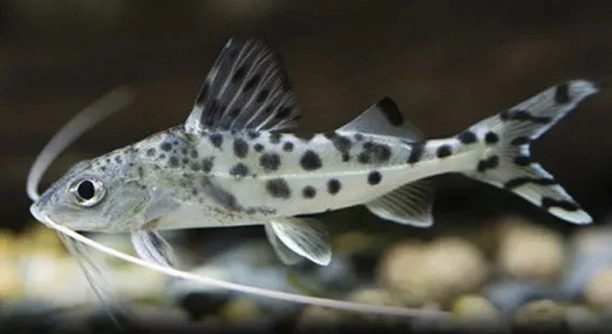
Many fish owners notice their Pictus catfish becomes lively after the lights go out. This nocturnal behavior can seem unusual at first but is a natural part of how these fish live. Understanding this pattern helps improve their care and tank environment.
Pictus catfish are primarily nocturnal creatures that are more active at night because their natural behavior involves hunting and exploring in low light conditions. This adaptation helps them avoid predators and find food more efficiently during darker hours.
Learning why your Pictus catfish acts this way can help you create a better habitat. Proper lighting and feeding routines make a big difference in keeping your fish healthy and happy.
Natural Nocturnal Behavior of Pictus Catfish
Pictus catfish are naturally nocturnal, meaning they are most active during the night. In their native habitats, which include rivers and streams in South America, they use the cover of darkness to avoid predators. This behavior allows them to explore and hunt for food safely without the risk of being caught. During the day, they tend to hide under rocks, plants, or other decorations in the tank to rest and stay protected. This natural pattern helps them conserve energy and stay safe. When the lights in the tank go off, they feel more comfortable moving around and searching for food, which is why you see more activity at night. Understanding this helps tank owners avoid worrying about unusual behavior and instead focus on providing the right environment for their catfish to thrive.
Their nighttime activity is a sign that they are healthy and adapting well to their environment.
To support this nocturnal pattern, it’s important to create hiding spots and dim lighting in the tank. This encourages your Pictus catfish to feel safe and reduces stress during the day. Feeding them in the evening or night can also match their natural eating habits and improve their well-being.
Importance of Tank Environment for Nighttime Activity
A well-designed tank environment is key to supporting your Pictus catfish’s natural activity cycle.
The tank should have plenty of hiding places made from plants, rocks, or decorations where your catfish can rest during the day. Providing dim lighting or using a timer to simulate natural day-night cycles helps them feel secure. Bright, constant light can stress these fish and cause them to hide more or be less active. On the other hand, too little cover can make them feel exposed and nervous. Keeping the tank clean with proper filtration is also important to maintain good water quality, which affects their overall health. Regular feeding schedules in the evening align with their nocturnal nature and help keep them comfortable and active when the lights go down.
Making small adjustments to your tank setup can improve your Pictus catfish’s comfort and encourage healthy nighttime behavior. Observing their habits and changing the environment accordingly can help your fish stay active and stress-free. Keeping their needs in mind supports a balanced and happy tank ecosystem for all your aquatic pets.
Feeding Habits and Night Activity
Pictus catfish naturally hunt for food at night. This means their feeding schedule should align with their active hours for best health.
Feeding your catfish in the evening or after the lights go off helps mimic their natural habits. Offering sinking pellets, frozen foods, or live treats during this time encourages natural foraging behavior. Avoid feeding too much during the day since they are less active then and may not eat all the food, which can cause water quality issues. Keeping a consistent feeding routine supports their health and nighttime activity.
If your catfish seems more active at night, it’s because they are looking for food when they are naturally awake. Providing food during this time keeps them engaged and satisfied, helping reduce stress and promoting overall well-being.
Tank Lighting and Activity Levels
Bright lighting during the day can make Pictus catfish hide more and stay less active. Using dim lights or a timer that simulates sunset encourages them to be more active.
Adjusting the lighting in your tank to a low or moderate level during the day helps your catfish feel safe. At night, turning off the main lights but using a gentle night light or moonlight setting allows them to move around comfortably. Sudden changes in lighting can cause stress, so gradual shifts help your catfish adjust naturally. This lighting setup supports their natural rhythm and encourages normal behavior, which benefits their overall health and happiness in the aquarium.
Social Behavior at Night
Pictus catfish tend to be more social and active with other fish during nighttime. They often explore and interact in groups when the tank is quiet.
During the day, they stay hidden and keep to themselves. Nighttime activity allows them to feel safer and more confident in their environment, encouraging natural social behavior.
Stress and Night Activity
Stress can affect your catfish’s activity levels. Bright lights, sudden movements, or loud noises may cause them to hide more during the day and become restless at night.
Reducing stress by keeping a calm environment helps your catfish maintain a healthy activity pattern. Consistent care and gentle handling improve their comfort and well-being.
Water Conditions and Nighttime Movement
Water quality influences how active your catfish are. Clean, well-oxygenated water supports normal nighttime movement and behavior.
Keeping up with regular water changes and monitoring parameters ensures your catfish stay healthy and active when the lights go off.
FAQ
Why is my Pictus catfish more active at night?
Pictus catfish are naturally nocturnal. They feel safer moving around and searching for food when the tank is dark. This behavior comes from their wild habitat, where being active at night helps avoid predators. So, increased nighttime activity is normal and healthy.
Can I change my Pictus catfish’s active hours to daytime?
It’s difficult to change their natural cycle completely. These fish are adapted to be more active at night. However, you can encourage some daytime activity by dimming tank lights gradually and feeding during the day. Still, expect most activity to happen after lights go off.
How often should I feed my Pictus catfish?
Feed your catfish once or twice a day. Evening feeding works best because it matches their natural feeding time. Avoid overfeeding, as leftover food can pollute the tank and harm your fish’s health. Remove uneaten food after about 10 minutes.
What types of food do Pictus catfish prefer?
They enjoy sinking pellets, frozen or live bloodworms, brine shrimp, and other meaty foods. Since they hunt mostly at night, feeding foods that sink to the bottom helps mimic their natural hunting habits.
Is it okay if my Pictus catfish hides most of the day?
Yes, hiding during daylight is normal for Pictus catfish. They rest and feel safer under rocks or plants. If your fish hides constantly and shows no activity at night, check for signs of illness or stress.
Can bright lights stress my Pictus catfish?
Yes, bright or constant lighting can stress them, causing them to hide more. Using dim lights or a timer to create a natural day-night cycle helps reduce stress and encourages normal behavior.
What tank setup is best for Pictus catfish?
A tank with plenty of hiding spots like caves, plants, and rocks works best. Soft substrate helps protect their barbels. Moderate water flow and good filtration keep water quality high, supporting their health and natural behavior.
How large should the tank be for a Pictus catfish?
A minimum of 30 gallons is recommended for a small group. They are active swimmers and need space to move, especially at night. Larger tanks provide better water stability and more room for hiding spots.
Can Pictus catfish live with other fish?
Yes, they are generally peaceful and can live with other non-aggressive fish. Avoid very small fish that might be seen as food, or aggressive species that could stress them.
What should I do if my Pictus catfish is not active at night?
If your catfish is unusually inactive at night, check water quality, tank temperature, and feeding routine. Illness or poor water conditions often cause reduced activity. Consulting a vet or aquarium expert may be necessary.
How do I maintain water quality for my Pictus catfish?
Regular water changes (about 20-30% weekly) and monitoring ammonia, nitrite, and nitrate levels keep the water safe. Using a good filtration system and avoiding overfeeding help maintain clean water, which supports your catfish’s health and activity.
Why does my Pictus catfish swim quickly at night?
Quick swimming at night is a natural hunting behavior. They search for food and explore their environment more actively. This behavior shows they are comfortable and healthy in their tank.
Is it normal for Pictus catfish to dig in the substrate?
Yes, digging or sifting through the substrate is typical. It helps them find food and explore. Using a soft substrate prevents injury to their barbels during this behavior.
Do Pictus catfish need a special light cycle?
A regular light cycle of about 10-12 hours of light and 12-14 hours of darkness mimics natural conditions. Using a timer ensures consistency, which reduces stress and supports their natural rhythm.
What water temperature is best for Pictus catfish?
They thrive in temperatures between 72°F and 79°F (22°C to 26°C). Keeping the water stable within this range supports their health and normal activity patterns.
Can Pictus catfish see well in the dark?
They have good low-light vision but rely heavily on their sensitive barbels to feel around and find food in the dark. This helps them navigate and hunt effectively at night.
How long do Pictus catfish live?
With proper care, they can live up to 8-10 years. Maintaining good water quality, proper feeding, and a stress-free environment supports a long, healthy life.
Do Pictus catfish need oxygen-rich water?
Yes, they prefer well-oxygenated water. Using air stones or strong filtration with good surface agitation helps keep oxygen levels high and supports their nighttime activity.
What should I do if my Pictus catfish is aggressive?
Aggression is rare but can happen if the tank is overcrowded or lacks hiding places. Providing more space and hiding spots usually reduces aggression. If problems continue, consider separating aggressive individuals.
Are Pictus catfish sensitive to water changes?
They can be sensitive to sudden changes in water parameters. Performing regular, small water changes helps avoid stress and keeps their environment stable and healthy.
Understanding why your Pictus catfish is more active at night helps you take better care of it. These fish are naturally nocturnal, so their behavior of swimming and hunting mostly after dark is normal. Knowing this can ease worries about unusual activity or hiding during the day. When you accept that your catfish prefers the night, it becomes easier to create the right environment for it to thrive. Providing places to hide during daylight and feeding them in the evening can support their natural habits.
Creating a comfortable home for your Pictus catfish means paying attention to tank conditions. Lighting plays a big role in their activity. Bright lights can stress them out and cause them to hide more, while dim lighting and a proper day-night cycle encourage them to be active at the right times. The tank should also have plenty of hiding spots, such as plants, rocks, and caves, to help your fish feel safe. Maintaining clean water with regular changes and good filtration is essential for their health. When all these factors are in balance, your catfish will be happier and more likely to show natural, nighttime behaviors.
Taking care of your Pictus catfish involves understanding its needs and natural behavior. They like to explore and hunt at night, rest during the day, and live best in a calm, well-maintained environment. Feeding them at night and offering sinking food helps match their natural habits. Watching how your fish acts and adjusting the tank setup accordingly can improve its comfort and health. By respecting their nocturnal lifestyle and providing the right care, you create a better home where your Pictus catfish can live a long and healthy life.

Hello,
If you enjoy the content that we create, please consider saying a "Thank You!" by leaving a tip.
Every little bit helps us continue crafting quality advice that supports the health, happiness, and well-being of pets around the world, for pets of all shapes, sizes, and species.
We really appreciate the kindness and support that you show us!