
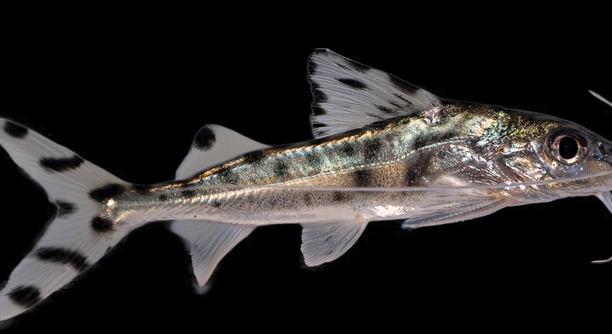
Pictus catfish are known for their active and curious nature, often exploring their surroundings in the aquarium. Their digging behavior is a natural part of how they interact with their environment. Many fish owners notice this trait early on.
The primary reason pictus catfish dig is to search for food and create a comfortable resting spot. This behavior helps them uncover hidden particles and small prey in the substrate. Digging also provides a sense of security by rearranging their habitat.
Understanding why your pictus catfish digs can help you create a better environment for it. This article will explain common reasons and how to support your fish’s natural habits.
Why Pictus Catfish Dig in the Substrate
Pictus catfish dig primarily to forage for food hidden beneath the gravel or sand. They have sensitive barbels around their mouths that help detect small particles and live prey like insect larvae or tiny crustaceans. Digging allows them to uncover these food sources naturally. Additionally, moving the substrate helps the fish feel more secure by creating small hiding spots or smoother areas where they can rest. This digging behavior is part of their instinctual routine and keeps them active and engaged. Sometimes, if the tank substrate is too rough or uncomfortable, the fish may dig more frequently to improve their comfort. Monitoring their digging habits can also indicate if they are hungry or stressed. Ensuring a balanced diet and a suitable environment can reduce excessive digging that may disturb your aquarium setup.
Digging is a normal, instinctive behavior in pictus catfish that supports their feeding and comfort needs in captivity.
Observing how your pictus catfish interacts with its environment can help you adjust feeding routines and tank conditions. This can improve their well-being and reduce any damage to plants or decor caused by excessive digging.
Signs Your Pictus Catfish Is Digging Too Much
If your pictus catfish is digging frequently and disturbing the tank excessively, it may be trying to communicate a problem. Overdigging can signal hunger, stress, or dissatisfaction with the tank setup. Lack of hiding places or poor water quality can increase this behavior. Excessive digging might uproot plants or cloud the water, which can harm other tank inhabitants. In some cases, the fish may dig because the substrate is uncomfortable or unsuitable. Observing other behaviors such as loss of appetite or hiding can help you determine the cause. Making adjustments to the tank environment, feeding schedule, and substrate type often reduces this issue. Proper tank maintenance and providing enrichment like caves or smooth substrate can help your catfish feel more at ease and reduce the need for constant digging.
How to Manage Digging Behavior
Limiting digging starts with providing enough food. A balanced diet reduces their need to search for extra snacks in the substrate. Also, adding plants and decorations offers hiding spots and distractions. These help keep your pictus catfish calm and less restless.
Adjusting the tank setup can greatly influence digging. Softer, smoother substrate options like fine sand are easier for them to dig without causing harm. Avoid sharp gravel that might injure their barbels. Creating cozy hiding places with rocks or caves gives your fish secure spots to retreat, reducing their urge to dig. Regular feeding with quality food lessens their drive to forage excessively.
Keeping water conditions stable also helps. Stress from poor water quality can increase digging as a coping behavior. Regular water changes and filtration improve tank health. A calm environment with enough space allows your catfish to express natural behaviors without damaging the tank.
Feeding Tips to Reduce Digging
Feeding your pictus catfish at consistent times helps prevent overeating or hunger-driven digging. Use sinking pellets or frozen foods that settle near the substrate where they naturally feed. This encourages normal foraging without excessive substrate disturbance.
Incorporate a variety of foods to meet their nutritional needs, including protein-rich options like bloodworms and brine shrimp. Feeding smaller amounts more frequently throughout the day keeps them satisfied and less likely to dig out of hunger. Avoid overfeeding, as leftover food can pollute the tank and cause stress.
Offering occasional live foods or treats mimics their natural diet and engages their instincts healthily. Balancing their diet reduces stress-related digging and supports overall well-being. Consistency and variety in feeding routines are key to managing this behavior effectively.
Ideal Substrate for Pictus Catfish
Choosing the right substrate affects your catfish’s digging comfort. Fine sand or smooth gravel is best because it won’t harm their delicate barbels. Avoid sharp or rough substrates that can cause injury.
A softer substrate encourages natural digging without stress. It also makes cleaning easier and helps maintain water quality. Providing a safe base supports your fish’s health and reduces excessive digging.
How Tank Size Influences Digging
A larger tank gives pictus catfish more room to explore and reduces restlessness. Limited space can increase digging as they try to create personal territory or relieve boredom.
Providing at least 30 gallons for a few pictus catfish helps balance their activity levels. More space allows them to engage naturally without disturbing the entire tank.
Common Mistakes Leading to Excessive Digging
Ignoring the need for proper hiding spots often causes your catfish to dig excessively. They dig to create safe spaces if the tank lacks shelter.
Failing to maintain clean water also stresses the fish. Poor water quality can lead to restless behaviors, including constant digging. Regular maintenance is essential.
Signs of Stress in Pictus Catfish
FAQ
Why is my pictus catfish digging more than usual?
Increased digging can indicate hunger, stress, or dissatisfaction with the tank environment. It may also mean the substrate is uncomfortable or the fish is trying to create a hiding spot. Checking water quality, feeding habits, and tank setup can help identify the cause.
Is it normal for pictus catfish to dig constantly?
Some digging is normal because it’s part of their natural behavior to search for food and create safe resting areas. However, constant or aggressive digging may suggest something is wrong, such as hunger or stress from poor tank conditions.
Can digging harm my pictus catfish?
Digging itself isn’t harmful if the substrate is soft and safe. However, rough or sharp gravel can injure their sensitive barbels. Also, excessive digging might disturb plants or decorations, causing damage in the aquarium.
What substrate should I use for pictus catfish?
Fine sand or smooth gravel works best. These substrates are gentle on their barbels and allow natural digging without risk of injury. Avoid rough or sharp gravel that can cause harm.
How often should I feed my pictus catfish to reduce digging?
Feeding small amounts two to three times a day is ideal. This keeps them satisfied and reduces the urge to dig in search of food. Use sinking pellets or frozen foods that reach the bottom naturally.
Can poor water quality increase digging?
Yes, poor water quality stresses pictus catfish and can lead to increased digging as a coping mechanism. Regular water changes and proper filtration are essential to keep the environment healthy.
Do pictus catfish dig to create hiding places?
Yes, digging helps them create comfortable spaces where they feel safe. If the tank lacks enough hiding spots, they may dig more to compensate.
How much space does a pictus catfish need?
A minimum of 30 gallons is recommended for a small group. More space helps reduce stress and allows natural behavior without causing damage from excessive digging.
Can adding plants reduce digging?
Plants provide natural hiding places and distractions. They help reduce stress and make the fish feel secure, which can lower the amount of digging.
What should I do if my catfish uproots plants while digging?
Consider using heavier pots or planting techniques that secure the plants better. Switching to sturdier plants or rearranging decorations can also help protect them from being uprooted.
Is it okay to have a bare-bottom tank for pictus catfish?
Bare-bottom tanks reduce digging issues but remove the natural substrate they enjoy. It’s possible but may cause the fish to feel less secure or bored, which could increase other stress behaviors.
How do I know if digging is a sign of illness?
If digging is paired with other symptoms like loss of appetite, lethargy, or unusual swimming, it may indicate illness. In such cases, check water parameters and consult an expert if needed.
Can lighting affect digging behavior?
Bright lighting can stress nocturnal or shy fish like pictus catfish, possibly increasing digging to find shelter. Providing shaded areas or dim lighting during the day can help.
Are pictus catfish territorial about digging spots?
They can be territorial, especially in smaller tanks. Providing enough space and multiple hiding places reduces competition and aggressive digging between fish.
What is the best way to introduce new substrate to reduce stress?
Gradually introduce new substrate by mixing it with the old over several days. This helps your catfish adjust without sudden changes that might trigger stress and excessive digging.
Final thoughts on pictus catfish digging behavior focus on understanding their natural instincts and how to support them properly. Digging is a normal activity for these fish, as they use it to find food, create resting spots, and feel secure. It is important to recognize that this behavior is not a problem on its own but a way your fish interacts with its environment. Providing the right conditions can help maintain a healthy balance where your catfish can dig without causing harm to the tank or its inhabitants.
Creating an ideal environment begins with choosing the right substrate. Soft, fine sand or smooth gravel works best because it is gentle on the catfish’s barbels and allows them to dig safely. Hard or sharp substrates may lead to injuries or discourage natural behavior. It’s also important to offer plenty of hiding spots, such as plants, rocks, or caves. These additions help your catfish feel secure, reducing stress and the need to dig excessively to make its own shelter. Maintaining clean water and a stable tank environment further supports your fish’s health, keeping digging behavior in a natural range.
Feeding routines play a big role in managing digging. Feeding your pictus catfish regularly with balanced food reduces hunger-driven digging and keeps them content. Offering a variety of sinking pellets, frozen foods, and occasional live treats meets their dietary needs and satisfies their instinct to forage. When digging becomes frequent or aggressive, it may indicate an issue with diet, stress, or tank setup. Paying close attention to your fish’s behavior and adjusting the environment accordingly can improve their comfort and well-being. Understanding and responding to your pictus catfish’s digging will create a better home for them and a more enjoyable aquarium experience for you.

Hello,
If you enjoy the content that we create, please consider saying a "Thank You!" by leaving a tip.
Every little bit helps us continue crafting quality advice that supports the health, happiness, and well-being of pets around the world, for pets of all shapes, sizes, and species.
We really appreciate the kindness and support that you show us!