
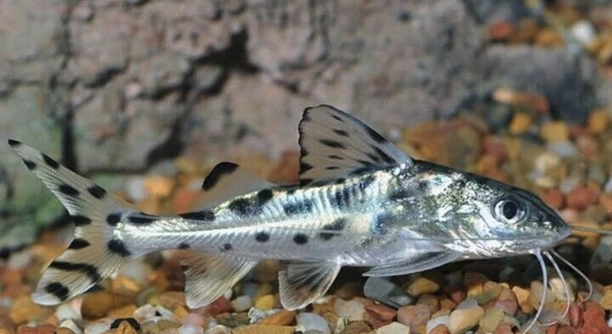
Is your Pictus catfish staying away from the substrate in your aquarium? Many owners notice this behavior and wonder what it means for their fish’s health and comfort. Understanding why this happens can help you create a better environment for your pet.
Pictus catfish may avoid the substrate due to stress, poor water conditions, lack of hiding spots, or an unsuitable substrate type. These factors affect their natural behavior and well-being, causing them to stay in other parts of the tank rather than resting at the bottom.
Learning about these reasons can help improve your catfish’s habitat and reduce their discomfort. This article will explain key factors influencing their behavior and how you can address them.
Common Reasons Pictus Catfish Avoid the Substrate
Pictus catfish naturally spend a lot of time near the bottom of the tank, but when they avoid the substrate, it often signals something isn’t right. One common cause is poor water quality. High levels of ammonia, nitrites, or nitrates can stress the fish, making them seek cleaner areas in the tank. Another reason is the substrate itself. Sharp gravel or rough surfaces can irritate their sensitive barbels and skin, leading them to avoid the bottom. Lack of hiding spots can also make them feel exposed and unsafe. Pictus catfish prefer areas where they can retreat if threatened. Finally, sudden changes in the tank environment, such as new decorations or other fish, can cause stress and alter their behavior. Observing your tank conditions closely will help identify the specific issue affecting your catfish.
Stress and discomfort are key reasons for this behavior.
Making sure the water is clean, the substrate is smooth, and there are enough hiding places will encourage your catfish to explore the bottom again.
How to Improve Your Catfish’s Comfort
Providing the right conditions helps your Pictus catfish feel secure and encourages natural behavior. Start by testing your water regularly and performing timely water changes to maintain good quality. Choose a soft, smooth substrate like sand or fine gravel to protect their barbels. Adding plants, caves, or driftwood creates hiding spots and reduces stress by giving them places to retreat. Avoid overcrowding the tank and introduce new fish carefully, allowing time for adjustment. Monitor your catfish after making changes to see if they start using the substrate again. These steps create a healthy and comfortable environment that supports their well-being and natural habits. Taking time to observe and adjust can make a big difference in how your Pictus catfish behaves.
Feeding Habits and Substrate Avoidance
Pictus catfish are nocturnal feeders, often searching for food along the substrate at night. If they avoid the bottom during feeding times, it may signal a problem with food availability or tank conditions.
Sometimes, food particles get trapped in coarse gravel, making it hard for catfish to find or eat them. This can discourage bottom-feeding behavior. Additionally, overfeeding or poor-quality food might lead to reduced appetite, causing your catfish to spend less time on the substrate. Another factor is competition with other fish, which may push Pictus catfish away from their preferred feeding area. Observing their eating patterns and adjusting feeding methods can improve their comfort and encourage normal substrate use.
Adjusting feeding times to low-light hours and providing sinking pellets or wafers designed for bottom feeders will help. Keeping the substrate clean also ensures food is accessible, supporting natural behavior.
Tank Setup and Environmental Factors
A tank setup that doesn’t meet the Pictus catfish’s needs can make them avoid the substrate. Strong lighting may cause discomfort, as they prefer dimmer environments. Bright lights can push them to swim higher or hide instead of resting on the bottom. Additionally, poor water flow or temperature outside their preferred range can cause stress and change their behavior.
The size and shape of the tank also matter. Too small or overcrowded tanks limit their space, making them avoid the substrate. Including plenty of hiding places and ensuring the substrate is soft encourages bottom activity. Regular tank maintenance, proper lighting, and suitable décor make a noticeable difference in their behavior and health.
Health Issues Affecting Substrate Use
Illness can cause Pictus catfish to avoid the substrate. Parasites, infections, or injuries may make resting on the bottom uncomfortable or painful. Watching for signs of sickness is important to catch problems early.
If your catfish shows unusual behavior or physical changes, consider consulting a vet or experienced aquarist to diagnose and treat potential health issues.
Impact of Tank Mates on Behavior
Aggressive or territorial tank mates can drive Pictus catfish away from the substrate. Constant chasing or bullying creates stress, causing the catfish to avoid the bottom or hide elsewhere. A peaceful community tank supports healthier behavior.
Selecting compatible fish and monitoring interactions helps ensure your catfish feels safe enough to use the substrate naturally.
Light Sensitivity
Pictus catfish prefer low light. Bright tank lights may make them avoid the substrate and seek shaded areas.
Using dimmable lights or adding floating plants can help create a comfortable environment for your catfish to explore the bottom.
Signs Your Catfish Is Uncomfortable
Changes in swimming patterns, loss of appetite, or hiding more than usual can signal discomfort. Watching these signs early helps prevent long-term issues.
FAQ
Why does my Pictus catfish stay at the top of the tank instead of the bottom?
Pictus catfish may stay near the top if water quality is poor or if they feel stressed. They prefer clean water with stable conditions. Strong lighting or a lack of hiding spots can also push them away from the substrate. Checking water parameters and adjusting the environment can encourage them to return to the bottom.
Is it normal for Pictus catfish to hide a lot?
Yes, Pictus catfish are naturally shy and nocturnal. They often hide during the day and become more active at night. Providing caves, plants, or decorations gives them places to retreat and feel safe. If hiding becomes excessive, it might indicate stress or illness.
What type of substrate is best for Pictus catfish?
Soft substrates like sand or fine gravel are ideal. Rough or sharp gravel can harm their sensitive barbels, making them avoid the bottom. A smooth surface also allows them to forage comfortably. Avoid large, jagged stones to protect their skin.
Can poor water quality cause my catfish to stop using the substrate?
Absolutely. High ammonia, nitrite, or nitrate levels irritate the fish and cause stress. They may avoid the substrate if water conditions are bad. Regular water testing and changes help keep the tank healthy and encourage normal behavior.
How often should I feed my Pictus catfish?
Feed them once or twice daily with sinking pellets or wafers. Avoid overfeeding, as leftover food can pollute the substrate. Feeding at dusk or when lights dim suits their nocturnal nature and promotes bottom feeding.
Can other fish affect my Pictus catfish’s behavior?
Yes. Aggressive or territorial tank mates can stress your catfish and force it away from the substrate. Peaceful community fish are better companions. Observe interactions and separate any fish that cause problems.
What are signs my Pictus catfish is sick?
Look for clamped fins, unusual swimming, loss of appetite, or spots on the body. Lethargy and hiding more than usual also indicate health issues. Early detection helps in effective treatment.
Do Pictus catfish need hiding spots?
Definitely. Hiding places reduce stress and help the fish feel secure. Plants, caves, or driftwood work well. Lack of cover may cause the catfish to avoid the substrate and stay in open water.
Is lighting important for substrate behavior?
Yes. Bright lights can make Pictus catfish uncomfortable and reluctant to use the substrate. Dim lighting or shaded areas mimic their natural environment and encourage normal activity.
What should I do if my catfish keeps avoiding the substrate?
Check water quality, substrate type, tank mates, and lighting first. Make sure hiding spots are available. Adjust these factors one at a time and observe changes in behavior. If problems continue, consult an aquatic specialist.
When your Pictus catfish avoids the substrate, it usually means something in its environment is not quite right. These fish naturally like to spend time near the bottom of the tank, searching for food and resting. If they stay away from the substrate, it can be a sign of stress, discomfort, or illness. Paying attention to their behavior and tank conditions helps you understand what needs to be changed. Simple adjustments in water quality, substrate type, lighting, and tank mates can often make a big difference in their comfort and behavior.
Maintaining clean water is one of the most important things you can do for your Pictus catfish. These fish are sensitive to poor water conditions, and high levels of ammonia, nitrites, or nitrates can cause them to avoid the substrate. Regular water testing and partial water changes keep the environment healthy. The substrate you choose also matters. Soft sand or fine gravel is best because it does not hurt their barbels, which are very sensitive. Rough or sharp gravel can irritate them and cause avoidance. Providing hiding places like plants or caves makes them feel safer and less stressed. These simple steps help your catfish feel secure and encourage them to explore the bottom of the tank.
Remember that your Pictus catfish’s behavior can also be affected by other fish in the tank, lighting, and feeding habits. Aggressive tank mates can push them away from their preferred spots. Bright lighting can make them uncomfortable, so using dim lights or adding shaded areas can help. Feeding your catfish at the right times with suitable food encourages natural foraging behavior on the substrate. Watching your fish closely and making small changes as needed will support their health and happiness. With some care and patience, your Pictus catfish will feel more comfortable and return to using the substrate as they naturally would.

Hello,
If you enjoy the content that we create, please consider saying a "Thank You!" by leaving a tip.
Every little bit helps us continue crafting quality advice that supports the health, happiness, and well-being of pets around the world, for pets of all shapes, sizes, and species.
We really appreciate the kindness and support that you show us!