
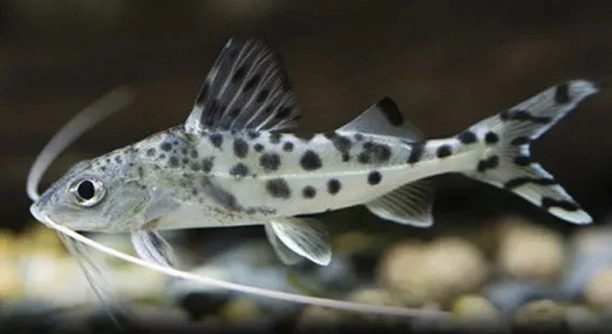
Many aquarists enjoy watching their Pictus catfish swim actively in the tank. These fish are known for their constant movement and curious nature. Their exploring behavior is part of what makes them interesting to observe.
Pictus catfish explore frequently because they are naturally curious and nocturnal bottom dwellers. Their behavior helps them search for food, establish territory, and stay alert to potential changes or threats in their environment.
Understanding why your Pictus catfish moves around so much can help improve its care and create a better home for this lively species.
Why Pictus Catfish Love to Explore
Pictus catfish are naturally active fish that enjoy swimming around their tank. Their movement is a way to search for food, as they often forage along the bottom. They use their barbels—whisker-like sensory organs—to detect tiny particles and insects. Exploring also helps them stay aware of changes in their surroundings, which is important for their safety. These fish are nocturnal, meaning they are most active during the night, but they still move around during the day. Because of their energetic nature, they don’t stay in one place for long. They like to investigate different areas, hiding spots, and plants. This behavior is normal and healthy, showing they feel comfortable in their environment. If they seem restless or overly active, it might mean the tank conditions need to be checked.
Pictus catfish exploring is a sign of normal, healthy behavior.
Keeping their tank environment stimulating and clean encourages their natural exploring habits and promotes their well-being.
Tank Setup and Environment
The tank setup affects how much your Pictus catfish explores.
A proper tank size with enough hiding spots and decorations allows them to move freely and feel secure. They enjoy places like caves, driftwood, or plants to rest in between their swims. Poor water quality or overcrowding can make them stressed and less active. A clean, well-maintained tank keeps them comfortable and encourages natural behavior. Water parameters such as temperature, pH, and oxygen levels should be stable to keep them healthy. Pictus catfish are sensitive to sudden changes in their environment, which may cause them to hide instead of explore. Lighting also plays a role since these fish prefer dimmer conditions. Adding a soft light cycle helps mimic their natural habitat. Observing your fish’s behavior in relation to their environment helps you make improvements to keep them happy and active.
Pictus Catfish Behavior Patterns
Pictus catfish are active swimmers who prefer to stay near the bottom of the tank. Their movement is steady but purposeful, often scanning the substrate for food.
These catfish have a social nature and tend to explore more when they are in groups. Alone, they might be shy or hide more often. Their nocturnal habits mean they are more active at night, so their exploring peaks during darker hours. They use their barbels to navigate and sense changes in their environment. This behavior helps them find food and avoid danger.
Exploring is also part of their instinct to establish territory. When they feel safe and have enough space, they move confidently throughout the tank. Any sudden changes or stress may cause them to retreat or become less active until they feel secure again.
Feeding and Exploring Behavior
Pictus catfish explore actively because they are natural scavengers. They search the tank bottom for leftover food and small prey items. This constant search keeps them moving.
Their diet affects how much they explore. When well-fed, they may explore less aggressively but still move around out of habit. If they are hungry, their activity increases as they look for food more often. Feeding a balanced diet at regular times can reduce excessive searching. Offering sinking pellets or live foods mimics their natural feeding behavior. Watching their exploration during feeding times gives clues about their health and comfort.
Tank Lighting and Activity
Pictus catfish prefer dim lighting, which matches their natural environment. Bright lights can make them shy and less active.
Using soft or low-intensity lighting encourages them to explore more freely. They feel safer and more comfortable when the tank is not too bright.
Signs of Stress in Pictus Catfish
When stressed, Pictus catfish may hide more and reduce their exploring. Stress can be caused by poor water quality, sudden changes, or aggressive tank mates.
Recognizing these signs early helps prevent health problems. Maintaining a stable and calm environment supports their natural behavior and overall well-being.
Tank Mates and Exploration
Choosing peaceful tank mates allows your Pictus catfish to explore without fear. Aggressive or overly active fish can cause stress and limit their movement.
Providing a calm community tank helps your catfish feel secure and encourages their natural curious behavior.
Why does my Pictus catfish explore so much?
Pictus catfish are naturally curious and active fish. They explore their tank to find food, check for safety, and interact with their environment. Their whiskers, called barbels, help them sense things in the water, encouraging them to swim around and investigate different areas. This behavior is normal and shows they are comfortable in their home.
Is it normal for Pictus catfish to swim constantly?
Yes, it is normal. Pictus catfish are energetic swimmers and tend to move a lot, especially near the tank bottom. They are nocturnal, so their activity increases during dim or dark conditions. Constant swimming helps them stay healthy and alert, but if the movement seems frantic or stressed, tank conditions should be checked.
How can I make my Pictus catfish feel more comfortable?
Providing a tank with plenty of hiding spots, such as caves and plants, helps your catfish feel safe. Keep the lighting soft and avoid sudden changes in water temperature or quality. Stable water conditions and calm tank mates also support their comfort and natural behavior.
What should I feed my Pictus catfish to reduce restless exploring?
Feed a balanced diet that includes sinking pellets, frozen or live foods like bloodworms or brine shrimp. Feeding at regular times helps reduce excessive searching behavior. When well-fed, your catfish will still explore but won’t seem frantic or overly hungry.
Can Pictus catfish live with other fish?
Yes, they can live peacefully with other calm, non-aggressive fish. Avoid keeping them with large or aggressive species, as this can stress the catfish and limit their natural exploring. A peaceful community tank encourages them to move and behave naturally.
Why does my Pictus catfish hide sometimes?
Hiding is normal behavior, especially during the day or when they feel stressed. Changes in water quality, lighting, or aggressive tank mates can make them retreat. Providing hiding places and stable tank conditions reduces hiding and helps them stay active.
How important is tank size for Pictus catfish exploring?
Tank size is very important. A larger tank gives your catfish enough space to swim and explore freely. Smaller tanks can make them feel cramped and stressed. At least 30 gallons is recommended for a small group to encourage healthy activity.
What water conditions do Pictus catfish prefer?
They prefer clean, well-oxygenated water with temperatures between 72–79°F (22–26°C). The pH should be neutral to slightly acidic (6.5–7.5). Stable water conditions help them feel secure and encourage natural exploring behavior.
How can I tell if my Pictus catfish is stressed?
Signs of stress include hiding more than usual, loss of appetite, rapid breathing, or erratic swimming. Poor water quality, sudden changes, or aggressive tank mates often cause stress. Monitoring these signs allows early action to improve their environment.
Do Pictus catfish need a specific lighting schedule?
Yes, they do best with a regular light cycle, about 10-12 hours of light followed by darkness. Soft lighting is preferred since they are sensitive to bright light. A consistent schedule supports their natural activity patterns and reduces stress.
Will Pictus catfish explore less if they are sick?
Yes, illness often reduces their activity and exploring behavior. If you notice lethargy, lack of appetite, or unusual behavior, check water quality and consider consulting a vet. Early treatment improves recovery and encourages normal movement.
Can adding plants encourage my Pictus catfish to explore more?
Yes, live or artificial plants provide hiding spots and stimulate their curiosity. Plants create a natural environment that makes your catfish feel safe and encourages exploration. Make sure plants don’t overcrowd the tank, leaving enough open space to swim.
When it comes to understanding why your Pictus catfish is always exploring, it’s important to remember that this behavior is natural and healthy. These fish are active by nature and use exploring as a way to find food, stay safe, and interact with their environment. Their whiskers, called barbels, help them sense things around them, encouraging movement throughout the tank. Watching them swim and search around can be one of the most enjoyable parts of keeping Pictus catfish. They show their curiosity and alertness through this behavior, which means they are comfortable in their space.
Providing the right tank environment can make a big difference in how your Pictus catfish behaves. A tank that has enough space, hiding spots, and a stable water environment will encourage them to explore without feeling stressed. Soft lighting and calm tank mates also help your fish feel safe, which makes them more active. Feeding them a balanced diet at regular times can reduce frantic searching but will not stop their natural curiosity and movement. Taking care of these basic needs supports their health and lets their natural behavior shine through.
Overall, your Pictus catfish’s exploring is a sign of well-being and comfort. By paying attention to their tank setup, water quality, and diet, you can support their active lifestyle. It’s helpful to watch their behavior regularly so you can spot any changes that might mean stress or illness. When your catfish feels secure and cared for, it will continue to explore happily and keep your aquarium lively. Their constant movement and curiosity make them an interesting and enjoyable species to keep.

Hello,
If you enjoy the content that we create, please consider saying a "Thank You!" by leaving a tip.
Every little bit helps us continue crafting quality advice that supports the health, happiness, and well-being of pets around the world, for pets of all shapes, sizes, and species.
We really appreciate the kindness and support that you show us!