
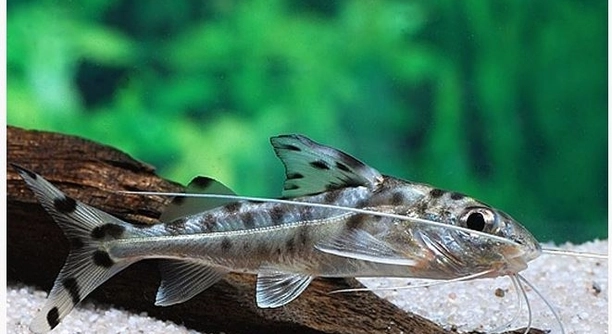
Is your pictus catfish spending more time resting than swimming, leaving you unsure if something might be wrong in its tank?
Lethargy in pictus catfish is often caused by poor water quality, stress from improper tank conditions, illness, or unsuitable tank mates. Identifying the source is crucial for correcting the issue and improving your fish’s health and activity.
Learning what triggers this behavior can help you create a safer, healthier home for your catfish and restore its natural energy.
Common Causes of Lethargy in Pictus Catfish
Pictus catfish often slow down when their environment is not suitable. Poor water quality is one of the biggest factors. High ammonia or nitrite levels can irritate their gills, making it harder for them to breathe. Low oxygen levels, improper pH, or extreme water temperatures can also affect their behavior. Stress from overcrowding, aggressive tank mates, or sudden changes in the tank can lead to inactivity. A sick or injured catfish may also become lethargic. Sometimes, poor diet or lack of stimulation plays a role. These fish are naturally active and curious, so when they stop moving around, it usually means something is off. Regular tank maintenance and observing behavior patterns help spot issues early. When these fish feel safe and comfortable, they usually stay active and alert. Keeping their tank clean, feeding them properly, and giving them space to hide can prevent many common problems.
Lethargy is rarely random—it usually means something in their care routine needs adjusting.
Keeping water clean is essential. Weekly water changes and using a reliable filter will support your catfish’s health. Test your water for ammonia, nitrite, nitrate, and pH. Stable, safe levels reduce stress. These fish do best in slightly acidic to neutral pH and temperatures between 75–80°F. Avoid big swings in these levels. Compatibility is another factor—tank mates should be peaceful and fast-moving, as pictus catfish may become stressed or injured by aggressive fish. Also, they need space to swim. Cramped tanks can limit activity and cause distress. Pictus catfish are active bottom dwellers, so adding hiding spots, like caves or driftwood, can encourage movement and make them feel secure. Diet matters too—feed them a balanced mix of sinking pellets, frozen foods, and occasional treats like bloodworms. If your catfish is still acting slow despite a good setup, illness may be the cause. Check for visible signs like spots, swelling, or clamped fins. In that case, isolate the fish and consult an aquatic vet or experienced aquarist for guidance.
When to Be Concerned
Lethargy becomes more serious if it lasts more than a day or two or is paired with physical symptoms or odd swimming.
If your pictus catfish is hiding excessively, breathing heavily, floating strangely, or has visible changes in appearance, action is necessary. These signs often point to disease, parasitic infections, or severe stress. Quarantining the fish may be helpful if you notice these symptoms. Treating the water with aquarium-safe medications, improving oxygen flow, or adjusting feeding habits can support recovery. Infections like ich or bacterial issues need specific treatment based on symptoms. Always follow product instructions carefully. A clean, stable environment remains the most effective way to prevent health issues. If unsure, consult a local aquatic specialist with details about your tank setup and your catfish’s behavior. Prompt response gives your fish the best chance to bounce back. Monitoring regularly helps you understand what’s normal for your catfish, making it easier to catch when something goes wrong.
Environmental Stress and Tank Conditions
Sudden changes in the tank often trigger stress, which can quickly affect your catfish’s behavior. Even small shifts in temperature, pH, or lighting can make them feel unsafe and cause them to shut down.
Always keep water parameters consistent. Use a heater to avoid temperature drops and check the thermometer daily. Pictus catfish need stable conditions with a temperature range of 75–80°F and a pH around 6.5–7.5. Bright lighting can make them uncomfortable, especially if they don’t have enough hiding spots. Add rocks, driftwood, or PVC pipes to give them places to rest. Loud noises near the tank or sudden movements can also disturb them. Try placing the tank somewhere calm and away from constant foot traffic or vibrations. These fish are sensitive to disruptions, so consistency is key. Once their environment feels stable, their behavior usually improves naturally.
Overcrowding is another problem. These fish need room to swim and explore. A tank that’s too small can make them feel trapped, leading to lethargy. Pictus catfish do best in tanks of at least 55 gallons, especially if housed with others. If space is tight, ammonia can build up faster, stressing the fish. Overstocking also raises aggression among tank mates. Avoid pairing them with slow or long-finned species, as that can lead to chasing and more stress. Use live or artificial plants for cover, but leave open areas for swimming. A quiet, well-planned space makes a noticeable difference. When the tank is too busy or too small, even healthy fish can lose energy. Making these changes can help restore your catfish’s usual activity level.
Illness and Parasites
If your catfish has clamped fins, white spots, swollen areas, or cloudy eyes, these may be signs of illness. Lethargy combined with physical symptoms should never be ignored. Early treatment can make a big difference in recovery.
Parasitic infections like ich or flukes are common and need prompt attention. Use medications meant for catfish and follow the dosage instructions carefully.
Diet and Nutrition
Feeding them the same food every day can lead to boredom and nutritional gaps. A varied diet helps maintain energy levels and supports overall health. Offer a mix of high-quality sinking pellets, frozen foods, and live options like bloodworms or brine shrimp. Avoid overfeeding and always remove leftovers after feeding.
Observing Behavior Closely
Watch how your catfish swims, rests, and eats. Subtle changes often mean something’s off. Early attention to behavior shifts helps prevent bigger problems.
FAQ
Why is my pictus catfish suddenly inactive?
A sudden drop in activity usually means a change in water quality or tank conditions. High ammonia, nitrites, or rapid temperature shifts cause stress and lethargy. It can also signal illness or injury. Check your water parameters immediately and look for physical signs of disease.
How often should I test my tank water?
Testing water weekly is ideal, especially for ammonia, nitrite, nitrate, and pH levels. More frequent checks may be necessary if your catfish shows signs of stress or sickness. Regular testing helps catch problems before they become serious.
Can tank mates cause my pictus catfish to be lethargic?
Yes. Aggressive or territorial tank mates can stress pictus catfish, making them hide or become less active. Peaceful, similarly sized fish are better companions. Avoid slow or long-finned fish, which may be bullied or stressed by pictus catfish.
Is lethargy always a sign of illness?
Not always. Stress from environmental changes or poor water quality often causes lethargy. However, if lethargy lasts more than a few days or is combined with physical symptoms like discoloration or clamped fins, illness is likely.
What can I do to improve my catfish’s environment?
Maintain stable water temperature and quality. Add hiding places such as caves or plants. Avoid overcrowding, and keep tank noise and vibrations to a minimum. Provide a balanced diet and avoid sudden changes in feeding or tank maintenance.
How much should I feed my pictus catfish?
Feed small amounts once or twice daily, only as much as they can eat in a few minutes. Overfeeding can pollute the water and cause health issues. Remove any uneaten food promptly to keep the tank clean.
Can water changes help with lethargy?
Yes, regular water changes keep ammonia and nitrate levels low, improving overall health and activity. Change about 20-30% of the tank water weekly, using dechlorinated water at the same temperature as the tank.
When should I isolate my pictus catfish?
Isolate your fish if it shows signs of illness like sores, white spots, or unusual swimming behavior. Quarantine reduces the risk of spreading disease and allows for focused treatment.
How long does it take for a lethargic pictus catfish to recover?
Recovery time varies depending on the cause. Improvement may be seen within a few days after correcting water quality or reducing stress. Illness treatment can take weeks. Patience and consistent care are important.
Are there any signs that indicate permanent health issues?
If lethargy continues despite good care, or if your catfish shows deformities, persistent swelling, or weight loss, it may have lasting health problems. Consult an aquatic veterinarian for a proper diagnosis and advice.
Can lighting affect my pictus catfish’s activity?
Bright or constant lighting can stress pictus catfish, as they prefer dimmer environments. Provide shaded areas or use floating plants to reduce light intensity, helping your fish feel secure and more active.
Is it normal for pictus catfish to rest a lot?
They do rest but usually remain alert and move regularly. Extended periods of inactivity or hiding are not normal and indicate an issue with health or environment.
What role does oxygenation play in their activity levels?
Poor oxygen levels can cause lethargy. Ensure good water circulation and consider adding an air stone or stronger filter if your catfish seems slow or gasping at the surface.
Can stress cause long-term behavior changes?
Yes, prolonged stress can weaken the immune system and lead to chronic lethargy or disease. Consistent tank care and a peaceful environment help prevent long-term problems.
Are there any common diseases that cause lethargy in pictus catfish?
Ich, fin rot, and bacterial infections are common illnesses that cause lethargy. Early detection and treatment with aquarium-safe medications improve recovery chances. Always follow instructions carefully.
Should I change the tank setup if my catfish is lethargic?
Adjustments like adding hiding spots, reducing lighting, and removing aggressive tank mates can help. Avoid major changes all at once, as this can add stress. Make changes gradually and observe the fish’s response.
When your pictus catfish starts acting lethargic, it is often a sign that something in its environment or care needs attention. These fish are naturally active swimmers who like exploring their tanks. When they slow down or hide more than usual, it usually means they are stressed, uncomfortable, or unwell. Monitoring your fish’s behavior regularly helps you notice changes early. Keeping the water clean, stable, and within the right temperature and pH ranges is essential. Proper tank maintenance, including regular water testing and changes, supports a healthy habitat that encourages natural activity.
Stress is a common reason for lethargy in pictus catfish. It can come from several sources, such as sudden changes in water conditions, poor tank setup, overcrowding, or aggressive tank mates. Making sure your tank is peaceful, with plenty of hiding spots and enough space for swimming, will help reduce stress. Providing a varied diet is also important, as it keeps your catfish energized and healthy. Avoid overfeeding and remove uneaten food to prevent water quality issues. When fish feel safe and comfortable, they usually regain their natural liveliness quickly.
If your catfish’s lethargy continues despite good care, it could be a sign of illness or parasites. Look for physical changes like spots, swelling, or clamped fins. In such cases, isolating the fish and treating it properly can improve its chances of recovery. Always follow treatment instructions carefully and consider consulting an aquatic specialist if needed. Patience is key, as recovery might take some time. Understanding the factors that affect your pictus catfish’s health helps you provide the best care possible and enjoy watching these beautiful fish thrive in your aquarium.

Hello,
If you enjoy the content that we create, please consider saying a "Thank You!" by leaving a tip.
Every little bit helps us continue crafting quality advice that supports the health, happiness, and well-being of pets around the world, for pets of all shapes, sizes, and species.
We really appreciate the kindness and support that you show us!