
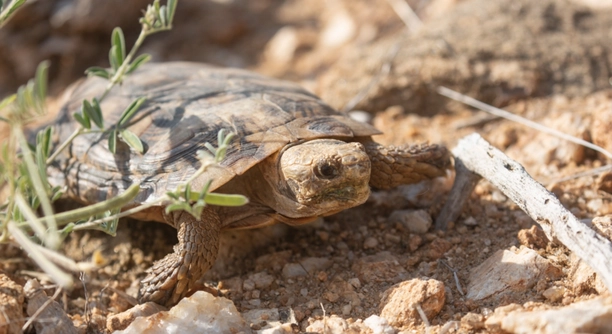
Pancake tortoises are unique and fascinating creatures, but sometimes their growth may not meet expectations. If you’ve noticed your pancake tortoise is not growing as it should, there could be several factors contributing to this issue.
The main reason your pancake tortoise might not be growing is inadequate care, including poor diet, improper enclosure conditions, or lack of proper lighting. Ensuring these factors are met can help your tortoise thrive and grow to its full potential.
By understanding the common growth challenges, you can better address these issues and help your tortoise grow healthy and strong.
Diet and Nutrition
A balanced diet is essential for your pancake tortoise’s growth. They mainly eat a variety of leafy greens, flowers, and grasses. If they are not getting enough of the right nutrients, their growth may be stunted. It’s important to offer a wide range of foods to ensure they are receiving all the necessary vitamins and minerals. Additionally, supplementing their diet with calcium and vitamin D can help their shell and bone development.
Pancake tortoises are herbivores, and their diet should focus on fiber-rich plants. Avoid feeding them too many fruits or high-protein foods as these can disrupt their digestion and overall health.
Keep in mind that a tortoise’s appetite can be affected by temperature and lighting. If the environment is not optimal, they may not eat enough to grow properly. Ensuring their diet is properly balanced is key to their healthy development. Always check the quality of the food you offer and make sure it’s fresh and free of pesticides.
Habitat Conditions
The right habitat plays a big role in your tortoise’s growth. If the temperature, humidity, or lighting is incorrect, it can affect their appetite and overall well-being. Pancake tortoises require a warm environment with a basking spot where they can regulate their body temperature.
Proper lighting is also crucial for their health. UVB light is necessary for their vitamin D synthesis, which helps them absorb calcium. Without this, your tortoise may have trouble growing, especially in their shell.
A well-maintained habitat with the right temperature, humidity, and UVB lighting will encourage your pancake tortoise to eat well and grow at a healthy rate. Regularly check and adjust these conditions to keep them comfortable and thriving in their environment.
Health Issues
Health problems can also affect the growth of your pancake tortoise. Common issues like parasites or infections can cause them to lose their appetite or become lethargic. These health issues may not always be obvious but can significantly slow down their growth.
If you notice signs like lack of appetite, abnormal behavior, or a change in their shell condition, it’s important to consult a vet. Regular check-ups help catch any underlying health issues early on, preventing long-term damage. A healthy tortoise is more likely to grow at a steady and normal rate.
Sometimes, improper diet or habitat conditions can weaken their immune system, making them more prone to infections. Stress from incorrect environmental factors, like sudden temperature changes, can also lead to health issues. Keep an eye on their behavior and shell appearance to detect any changes early. Ensuring their health is in top condition will support their growth.
Stress and Overhandling
Overhandling and constant stress can negatively impact the growth of your pancake tortoise. They are sensitive creatures and can easily become stressed by frequent interaction or noisy environments. Too much handling can cause them to retreat into their shells and avoid eating.
It’s best to limit handling and ensure they have a quiet, safe environment. Stress can lead to loss of appetite and digestive issues, ultimately stunting their growth. If your tortoise is showing signs of stress, like hiding more than usual or becoming more aggressive, consider reducing interaction.
Creating a calm and secure space for your pancake tortoise will help them feel safe, allowing them to focus on eating and growing. Additionally, make sure they have plenty of space to move around without feeling trapped. A stress-free environment will encourage their natural behaviors and growth.
Genetics
Genetics can play a role in the growth of your pancake tortoise. Some tortoises are naturally smaller due to their genetic makeup. While diet and environment are important, there may be limits to how much growth they can achieve based on their inherited traits.
If your tortoise is consistently growing slower than expected despite proper care, genetics may be a factor. It’s important to monitor their health and make sure they’re thriving, but also remember that each tortoise grows at their own pace. Some individuals simply take longer to reach full size.
Temperature Regulation
The temperature in your tortoise’s habitat greatly impacts its growth. Pancake tortoises need warmth to digest food properly, and inadequate heat can cause them to stop eating or growing. Make sure to provide a warm basking area with the correct temperature gradient.
Without the proper temperature, your tortoise’s metabolism can slow down, and they might not be able to process nutrients as efficiently. Check their environment regularly to ensure that both the warm and cooler areas of their enclosure are at the right temperatures to support healthy growth.
Age
Pancake tortoises grow slowly, especially when they are young. It’s essential to remember that growth can take years. Younger tortoises may not show significant changes in size over a short period, but over time, their shell and body should gradually expand.
Patience is key when raising a pancake tortoise. With the right care, you’ll start to see gradual growth as they age, even if it doesn’t happen as quickly as you might expect. If they’re eating well and their environment is suitable, rest assured they are growing at their own pace.
FAQ
How can I tell if my pancake tortoise is growing at a healthy rate?
Monitoring your pancake tortoise’s growth involves observing both its size and overall health. Typically, pancake tortoises grow very slowly, so don’t expect rapid growth. You should track their weight, shell size, and behavior over time. If they’re eating well, moving around, and their shell is hard and smooth, they are likely growing properly. If you notice any drastic changes in these factors, it’s a good idea to consult a vet to rule out health issues.
Can a pancake tortoise survive without UVB lighting?
No, UVB lighting is essential for a pancake tortoise’s health, especially for proper calcium absorption. Without UVB, they can develop metabolic bone disease, which can stunt their growth and cause other health problems. Make sure to provide proper UVB lighting for around 10-12 hours a day to keep them healthy.
What’s the best diet for a pancake tortoise?
A pancake tortoise’s diet should be rich in leafy greens, grasses, and occasional flowers. The most common foods are dandelion greens, collard greens, and hibiscus flowers. You should avoid too much fruit or high-protein foods, as these can lead to digestive problems. Supplementing with calcium and vitamin D3 is also important for their shell development and bone health.
How often should I feed my pancake tortoise?
Pancake tortoises are not high feeders. They typically eat every other day or every three days, depending on their size and age. Younger tortoises may need more frequent feeding, while adults can eat less often. Just make sure they have a variety of fresh greens, and always remove any uneaten food to prevent it from spoiling.
What temperature should I maintain in my pancake tortoise’s habitat?
Your pancake tortoise’s habitat should have a temperature gradient with a basking spot of 90-95°F and a cooler area around 75-80°F. These temperatures mimic their natural environment and help them regulate their body temperature. Make sure to provide a heat source, like a ceramic heat bulb, and monitor the temperature regularly to maintain stability.
What humidity level is best for pancake tortoises?
Pancake tortoises thrive in moderate humidity levels, typically between 50% and 60%. Too much humidity can lead to respiratory issues, while too little can cause dehydration or difficulty shedding. Keep their enclosure well-ventilated and check humidity levels frequently to ensure they’re within the ideal range for comfort.
Can I keep multiple pancake tortoises together?
While it’s possible to keep more than one pancake tortoise together, it’s important to ensure enough space for each one to avoid territorial conflicts. Some tortoises may become aggressive toward others, especially when it comes to food or basking spots. If you have more than one, monitor them closely to make sure they’re getting along and not showing signs of stress.
How do I handle a pancake tortoise?
Pancake tortoises are sensitive creatures and should not be handled too often. Limit handling to avoid stress, and always support their body fully. Picking them up by their shell can be harmful and uncomfortable for them. It’s best to let them come to you if they need interaction. Gentle, brief contact will help minimize stress.
Why is my pancake tortoise not eating?
If your pancake tortoise isn’t eating, it could be due to environmental factors like incorrect temperature or lighting. Stress, illness, or changes in habitat can also affect their appetite. Make sure their habitat is warm enough, has the proper UVB lighting, and is quiet and calm. If the problem persists, it’s best to consult a vet to rule out health issues.
How long do pancake tortoises live?
Pancake tortoises can live for 50 years or more in captivity if they are well cared for. This means that keeping a pancake tortoise is a long-term commitment. Make sure their diet, habitat, and health are managed consistently over the years to ensure they have a long, happy life.
Are pancake tortoises easy to care for?
Pancake tortoises are not the easiest reptiles to care for, but they are manageable if you understand their needs. Their diet, habitat temperature, humidity, and UVB lighting are crucial for their growth and well-being. With the proper setup and care, they can thrive and live for many years.
What are the signs that my pancake tortoise is stressed?
Signs of stress in a pancake tortoise include excessive hiding, lack of eating, or aggressive behavior. They may also become more withdrawn or stop moving around as much. Stress can result from poor habitat conditions, overhandling, or overcrowding. If you notice these behaviors, try to identify and address the cause of their stress immediately.
Can a pancake tortoise’s shell change shape?
A pancake tortoise’s shell is generally rigid, but it can change shape over time as they grow. Young tortoises have softer shells that harden as they mature. If the shell starts to show signs of deformity, it may be a sign of poor diet, lack of calcium, or improper environmental conditions. Keeping their habitat and diet on track will help maintain their shell’s health.
What do I do if my pancake tortoise is too small for its age?
If your pancake tortoise is smaller than expected for its age, check for potential problems like insufficient diet, poor lighting, or health issues. Make sure it has access to the right foods, proper UVB light, and a stable, warm environment. If growth continues to be slow despite addressing these factors, seek advice from a reptile vet to rule out health problems.
Final Thoughts
Taking care of a pancake tortoise requires attention to their specific needs. While they are fascinating and resilient creatures, they depend on proper care to thrive. The most important factors that influence their growth include diet, habitat conditions, and overall health. If your tortoise is not growing as expected, it’s essential to review their care routine and make adjustments where needed. Checking their food intake, ensuring a proper basking spot, and providing adequate lighting can go a long way in helping them grow at a healthy rate.
It’s also important to remember that pancake tortoises grow slowly. This slow pace is natural for them, and it may take years before they reach their full size. Patience is key in caring for these reptiles, as they don’t have rapid growth spurts like some other species. As long as you are meeting their basic care requirements, you should expect to see steady growth over time, even if it’s not immediate. Tracking their progress through regular observations and measurements can help you feel more confident that they are on the right path.
Lastly, always keep an eye on your tortoise’s behavior and health. If growth is slow despite proper care, or if other signs like loss of appetite or lethargy appear, it’s best to consult a veterinarian. They can help identify any underlying health issues and ensure that your tortoise is receiving the best care possible. Ensuring a stress-free, well-maintained environment will support their growth and overall well-being. By providing them with the proper nutrition, habitat, and attention, you can enjoy watching your pancake tortoise grow and thrive over the years.

Hello,
If you enjoy the content that we create, please consider saying a "Thank You!" by leaving a tip.
Every little bit helps us continue crafting quality advice that supports the health, happiness, and well-being of pets around the world, for pets of all shapes, sizes, and species.
We really appreciate the kindness and support that you show us!