
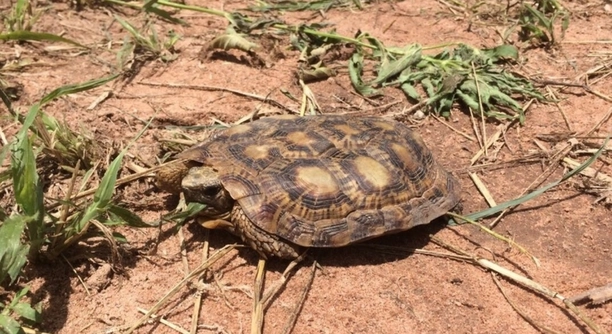
A pancake tortoise burying itself can be a puzzling sight for pet owners. You might wonder what this behavior means and whether it’s a sign of concern or simply part of their natural habits.
Burying itself is a normal behavior for a pancake tortoise, often indicating a need for rest, security, or to regulate its temperature. It may also seek shelter from environmental stressors, such as light or noise, to feel safe.
Understanding why your pancake tortoise buries itself can help you ensure it’s comfortable in its environment and address any potential concerns.
Why Do Pancake Tortoises Bury Themselves?
Pancake tortoises are naturally shy creatures, and burying themselves can be a response to feeling exposed or vulnerable. In the wild, they often seek out hidden spots to stay safe from predators. When kept as pets, this instinct doesn’t disappear. They might bury themselves in their enclosure when they need privacy or security. It could also be a way to escape bright lights or loud noises. Ensuring that their habitat includes hiding places will help them feel more comfortable and less stressed. It’s essential to create a space that mirrors their natural environment as closely as possible.
While this behavior may seem odd, it’s not a cause for concern in most cases. Observing your tortoise’s environment and routine will help you spot any potential issues. A secure hiding spot gives them the sense of safety they need. If you notice constant burrowing, however, it might be worth checking other factors in their setup.
The need to bury themselves could also relate to temperature regulation. Pancake tortoises enjoy a warm environment but may bury themselves to escape excessive heat or cool down when needed. A well-regulated temperature in their habitat will help prevent this behavior from becoming a repeated issue. Ensuring that they have a suitable place to retreat and a balance of light and warmth is key to supporting their natural tendencies.
Is Burying a Sign of Stress?
Sometimes, a pancake tortoise may bury itself due to stress, whether from environmental factors or lack of comfort in its surroundings.
For instance, changes in the habitat, such as moving to a new enclosure, adding new pets, or even rearranging their space, can trigger stress. When feeling threatened, these tortoises may bury themselves as a defense mechanism. It’s important to monitor their reactions closely and make sure they aren’t under any unnecessary pressure. A stressed tortoise might also exhibit other signs, like hiding for long periods or becoming less active.
To prevent stress, provide a consistent, calm environment. Avoid sudden changes that might cause discomfort. Make sure they have access to a space that feels safe and secure, like hiding boxes or tunnels. Creating an environment where they feel protected from loud sounds, other pets, and sudden temperature shifts will help reduce stress-related burrowing.
Temperature and Humidity Concerns
Temperature fluctuations can lead to your pancake tortoise burying itself more often. These tortoises thrive in temperatures ranging from 80°F to 90°F during the day. If the environment is too hot or too cold, they might seek out a cooler or warmer spot by digging into the substrate.
It’s essential to monitor the temperature closely, especially if your tortoise has access to both warm and cool areas. If it’s too warm, they may bury themselves to cool down, while an overly cold environment can prompt them to burrow for warmth. Make sure the habitat has a proper heat source, like a heat lamp, to create a temperature gradient that allows them to choose their ideal spot.
Similarly, humidity plays a role in their well-being. Pancake tortoises need moderate humidity levels. Too much moisture in their enclosure can cause discomfort, leading them to dig for drier spots. On the other hand, too little moisture can cause dehydration. Maintain balanced humidity for their comfort.
When Burying Becomes a Problem
If your pancake tortoise buries itself excessively, there may be a deeper issue at play. A tortoise that constantly hides might be dealing with health problems or discomfort in its environment.
If the behavior becomes frequent or lasts longer than usual, it’s important to examine their habitat for stressors. Is the space too small? Are there noisy surroundings or too much light exposure? These factors can make them feel unsafe. It’s best to address these issues promptly. Keep their environment clean, quiet, and spacious to ensure they aren’t burying themselves due to unnecessary stress.
Additionally, health issues such as infections or injuries may make the tortoise want to hide. Check for any signs of abnormal behavior like loss of appetite, lethargy, or changes in their shell. If these symptoms are present, a visit to the vet is essential.
Shell Health and Burrowing Behavior
A tortoise’s shell health directly impacts its behavior. If the shell is in poor condition, it might seek shelter by burying itself. This could be a way of protecting its vulnerable areas from harm. Checking the shell regularly for signs of cracking or softness is essential.
If your pancake tortoise is frequently burrowing, make sure its shell is intact and strong. A soft or damaged shell can be a sign of metabolic bone disease or other health issues. If the shell appears abnormal or if your tortoise is constantly hiding, it’s important to consult with a vet to rule out any underlying problems.
Proper Habitat Setup
Creating the right environment for your pancake tortoise helps minimize unnecessary burrowing. Make sure the enclosure is spacious and filled with substrates like sand, soil, or coconut fiber. These materials allow your tortoise to dig comfortably when it feels the need to bury itself.
Having the right setup is key. It will not only make your tortoise feel secure, but it also gives it the opportunity to act naturally. Add hiding spots like small caves or plants to give them shelter and make them feel safe. Keeping their space clean and properly sized ensures they can stay healthy.
FAQ
Why does my pancake tortoise bury itself all the time?
Frequent burying might indicate your tortoise is trying to find comfort, escape from bright lights, or regulate its temperature. It could be part of their natural behavior, as they seek shelter and security. If they’re in an overly warm environment, they may bury themselves to cool off. On the other hand, if their surroundings are too cold, they may dig to find a warmer spot. If the behavior seems excessive or concerning, checking the temperature and humidity levels in the enclosure is key. Also, make sure there are plenty of hiding places to reduce stress.
Can a pancake tortoise bury itself to sleep?
Yes, pancake tortoises often bury themselves to sleep, especially when they feel safe and secure. In the wild, they seek out hidden spots to rest away from predators. In captivity, providing areas where they can burrow gives them a sense of safety and comfort. If your tortoise buries itself during the night or throughout the day for long periods, it’s typically normal, as long as it’s not accompanied by other signs of stress or illness.
Is it normal for my pancake tortoise to hide during the day?
It can be normal for your tortoise to hide during the day, especially if they feel like their environment is too bright, noisy, or unstable. Pancake tortoises are naturally shy creatures and may retreat to hide if they are feeling stressed or overwhelmed. Make sure there are adequate shaded areas and hiding places in their habitat to allow them to feel secure. If they seem inactive or excessively buried, you might want to check for other issues like temperature or humidity imbalances.
How do I know if my pancake tortoise is stressed?
Stress in pancake tortoises can be identified by signs such as decreased activity, excessive hiding or burrowing, and changes in eating or drinking habits. If your tortoise is usually active but suddenly becomes lethargic or refuses food, it might be experiencing stress. You should also monitor for changes in behavior, like rapid movement, aggression, or scratching at the walls of its enclosure. Stress can be caused by overcrowding, temperature fluctuations, loud noises, or a lack of hiding spaces. If stress continues, it may be worth consulting a veterinarian to rule out other health issues.
Can improper temperature cause my pancake tortoise to bury itself?
Yes, temperature plays a significant role in your tortoise’s behavior. If the enclosure is too hot, the tortoise may bury itself to cool down. Conversely, if the habitat is too cold, the tortoise might bury itself in an attempt to find warmth. Proper temperature regulation is essential for your tortoise’s health and well-being. The ideal temperature should range between 80°F and 90°F during the day, with a cooler area for your tortoise to retreat to. Ensure there are heat lamps and a temperature gradient to give them control over their environment.
Why does my pancake tortoise bury itself after eating?
After eating, a pancake tortoise may bury itself as part of its natural behavior. They might feel the need to rest, digest their food, or escape from light and heat after a meal. This behavior isn’t necessarily a sign of a problem, but you should ensure the environment is comfortable for digestion, with adequate space and temperature. If the behavior is extreme or if the tortoise seems lethargic or unwell, it’s best to observe for other signs that might suggest discomfort or health issues.
What type of substrate should I use to help my pancake tortoise feel secure?
To help your tortoise feel secure, use substrates that mimic the natural environment and allow for digging. Options like coconut fiber, sand, or a mixture of soil and sand work well. The substrate should be deep enough for your tortoise to burrow in if needed. Avoid using substrates that might irritate your tortoise’s skin or be harmful if ingested, such as gravel or non-natural materials. A loose, diggable substrate allows your tortoise to perform natural behaviors, like burrowing, which can make them feel safe and reduce stress.
What should I do if my pancake tortoise is constantly hiding?
If your tortoise is constantly hiding, check its habitat for possible stressors. Ensure the temperature is in the ideal range and that the enclosure is large enough. Too much light or noise can make your tortoise feel unsafe, so providing shaded areas and hiding spots can help. Also, make sure the tortoise has enough food and water, as changes in its diet can sometimes cause behavioral changes. If the hiding continues or you notice signs of illness, such as weight loss, lethargy, or changes in behavior, it’s important to consult with a veterinarian to rule out health issues.
Can a pancake tortoise bury itself because it’s sick?
Yes, illness can cause a pancake tortoise to bury itself more frequently. If your tortoise is feeling unwell, it may retreat to a buried spot to avoid exposure or protect itself. Illnesses such as respiratory infections, digestive issues, or injuries may lead to changes in behavior, including more frequent hiding or burrowing. Keep an eye on other symptoms, such as reduced appetite, lethargy, or abnormal shell appearance. If any of these signs are present, it’s crucial to seek veterinary care as soon as possible.
How can I keep my pancake tortoise from over-burying itself?
To prevent your pancake tortoise from over-burying itself, ensure it has a balanced and comfortable environment. Make sure the temperature and humidity levels are well-regulated, providing both warm and cool spots for your tortoise to choose from. Keep the habitat quiet and free from stressors, and offer plenty of hiding spaces to give it a sense of security. If the tortoise seems to be burying itself out of boredom or stress, consider increasing interaction or adding enrichment activities. However, remember that some burrowing is natural behavior and is typically not a cause for concern.
Final Thoughts
Understanding why your pancake tortoise buries itself can help ensure it’s living in a comfortable and healthy environment. While burrowing is a natural behavior for these creatures, excessive burying might signal environmental or health issues that need attention. It’s important to regularly check the temperature and humidity levels in the enclosure, as these factors can significantly affect your tortoise’s behavior. Providing the right conditions, such as adequate hiding spots, a suitable temperature gradient, and a clean habitat, will make a big difference in your tortoise’s comfort and well-being.
It’s also important to remember that every tortoise is unique, and some may prefer to bury themselves more often than others. If your tortoise seems to be burying itself out of habit, it’s usually not a problem. However, if you notice signs of stress, illness, or lethargy, you’ll want to investigate further. Pay attention to changes in their eating habits, activity levels, and behavior to catch any potential issues early. A veterinarian visit can help rule out any underlying health problems and give you peace of mind.
Overall, creating a secure and well-maintained environment will support your tortoise’s natural behaviors. Burying itself is just one of the ways your pancake tortoise seeks comfort and safety. With the right habitat setup and regular care, your tortoise will likely continue to thrive, showing occasional burrowing behavior as part of its normal routine. By being observant and proactive, you can ensure your tortoise’s health and happiness for many years to come.

Hello,
If you enjoy the content that we create, please consider saying a "Thank You!" by leaving a tip.
Every little bit helps us continue crafting quality advice that supports the health, happiness, and well-being of pets around the world, for pets of all shapes, sizes, and species.
We really appreciate the kindness and support that you show us!