
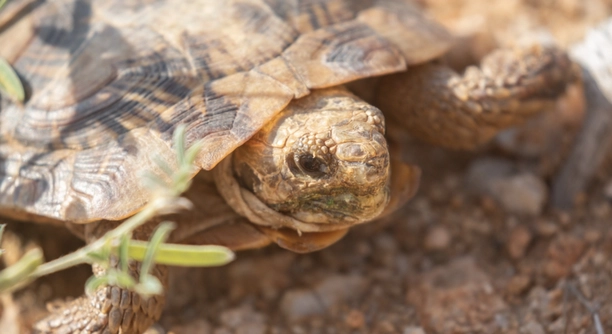
Heavy breathing in your pancake tortoise can be concerning. It’s important to understand the underlying causes to address the issue properly. Knowing when to seek help can make a difference in their health and well-being.
Heavy breathing in a pancake tortoise may indicate stress, respiratory infections, or environmental issues. A sudden change in temperature, improper humidity levels, or inadequate shelter can cause discomfort, leading to heavier breathing. Ensuring a stable, controlled environment helps minimize these risks.
There are steps you can take to identify and correct the issue. By adjusting your tortoise’s habitat and ensuring its health, you can prevent further complications.
Common Causes of Heavy Breathing in Pancake Tortoises
There are a few common reasons why your pancake tortoise may be breathing heavily. Stress, improper temperature, and poor humidity can all contribute to this issue. If your tortoise’s environment fluctuates too much, it can lead to respiratory distress. Overcrowding in their enclosure or handling them too frequently may also cause them to feel anxious, leading to heavier breathing. Tortoises are sensitive creatures, and their well-being is closely tied to the stability of their surroundings.
Sometimes, respiratory infections can cause the tortoise to breathe harder. If you notice other signs, such as nasal discharge or lethargy, it’s important to seek veterinary advice. These infections require proper treatment, and catching them early will help prevent further complications.
In some cases, dehydration can also be a factor. Ensure your tortoise has access to fresh water and that its diet is properly balanced to avoid this issue. By maintaining a healthy environment and diet, you can prevent unnecessary stress.
How Temperature and Humidity Affect Breathing
Temperature and humidity play a big role in your pancake tortoise’s health. If the temperature is too high or too low, it can cause the tortoise to become stressed and overexert itself. A steady temperature between 75°F and 85°F is ideal.
Humidity is just as important. Too much moisture can lead to respiratory problems, while too little can dry out the tortoise’s skin, making it harder to breathe. Maintain humidity levels between 50% and 60% for optimal comfort. If adjustments are needed, consider using a thermometer and hygrometer to keep things in check.
Addressing Stress in Your Pancake Tortoise
Stress can have a huge impact on your pancake tortoise’s breathing. Handling them too often or placing them in a noisy environment can make them anxious. It’s best to keep their enclosure in a quiet, low-traffic area where they can feel safe. Overcrowding can also add stress. Only keep as many tortoises as the space can comfortably accommodate.
When stress is a factor, it’s important to give your tortoise time to adjust. Reducing handling and providing a safe space in their habitat will help lower their anxiety. Additionally, ensure they have a hiding spot where they can retreat when they feel overwhelmed. This simple change can make a significant difference in their overall health.
By making these environmental adjustments, your pancake tortoise should begin to feel more comfortable, reducing stress and improving its breathing patterns.
Respiratory Infections and Their Impact on Breathing
Respiratory infections are another possible cause of heavy breathing. They can be caused by several factors, including poor air quality or exposure to cold drafts. When your tortoise is sick, you may also notice other symptoms, such as nasal discharge or wheezing.
It’s crucial to address any signs of illness early. If your tortoise is showing signs of a respiratory infection, it’s best to consult with a vet. In the meantime, make sure the environment is warm and humid enough to aid in recovery. Keep the temperature steady, and ensure they have a clean, safe space to rest.
A respiratory infection can quickly become more serious if left untreated. Always monitor your tortoise’s health closely, and don’t hesitate to seek professional help when needed.
Dehydration and Its Effects on Breathing
Dehydration can lead to heavy breathing in pancake tortoises. Without enough water, their body struggles to function properly. A dehydrated tortoise may show signs of stress, including rapid or labored breathing. Ensuring consistent hydration is crucial.
To keep your pancake tortoise hydrated, provide a shallow water dish and soak them periodically. Tortoises can drink from the dish, but they may need extra moisture from soaking to stay fully hydrated. Be sure to replace the water frequently to keep it clean. Avoid allowing them to sit in water for extended periods, as this can lead to other issues, such as shell rot.
A proper diet also contributes to hydration. Providing foods with high water content, like leafy greens, can support hydration efforts. Make sure to adjust their water and diet accordingly to keep them hydrated and reduce stress, promoting better breathing.
Identifying and Managing Stress
Stress can be a hidden cause of heavy breathing in pancake tortoises. When exposed to too much noise, handling, or a poor habitat setup, they may breathe heavily as a sign of discomfort.
A stressed tortoise will often try to retreat into its shell or avoid movement. To reduce stress, place their habitat in a calm area, away from loud sounds or traffic. Make sure they have enough space, a place to hide, and proper lighting. Keep their enclosure clean to avoid additional stress triggers. If they’re stressed from handling, limit interactions to essential moments only.
You can also avoid stress by setting up a consistent routine for feeding and cleaning. Keeping their environment predictable helps them feel safe. Reducing stress levels should lead to more relaxed breathing and overall well-being for your tortoise.
Temperature Fluctuations and Breathing Issues
Temperature changes can cause heavy breathing in your pancake tortoise. If the temperature is too high or too low, it stresses their body, leading to labored breathing. It’s essential to maintain a stable temperature in their habitat.
Check the temperature regularly using a reliable thermometer. Keep the basking area between 85°F to 90°F and the cooler side around 75°F. If temperatures drop below this range, the tortoise may become lethargic, and if it’s too hot, it could cause heat stress. Consistent temperature regulation prevents unnecessary strain on their respiratory system.
Humidity Levels and Respiratory Health
Maintaining proper humidity is vital for your tortoise’s health. Too much moisture can lead to fungal infections, while too little can dry out their respiratory system. Aim to keep humidity between 50% and 60%.
A humidifier or regular misting can help maintain ideal levels. Be cautious not to overdo it, as excessive humidity can promote mold and mildew. Make sure their shelter has enough ventilation to avoid trapped moisture. The right humidity level ensures your tortoise’s respiratory system functions well, promoting steady breathing.
When to Seek Veterinary Care
If you notice your pancake tortoise breathing heavily for more than a day or showing signs of illness, it’s time to consult a veterinarian. Heavy breathing, combined with other symptoms like discharge or lethargy, could indicate a respiratory infection or other health issues. Seeking early treatment can prevent complications and help them recover faster. A vet will provide the necessary care to address underlying issues, ensuring your tortoise stays healthy and comfortable.
FAQ
Why is my pancake tortoise breathing heavily?
Heavy breathing in a pancake tortoise can be caused by several factors. Stress, temperature fluctuations, dehydration, or respiratory infections are the most common causes. When your tortoise is exposed to uncomfortable conditions, it may breathe heavily to cope. Keeping their habitat stable and ensuring proper hydration and diet is key to preventing this issue. If you notice other symptoms like nasal discharge, lethargy, or coughing, it’s important to seek veterinary care, as these could be signs of a respiratory infection.
What can cause my pancake tortoise to be stressed?
Stress in pancake tortoises can come from various sources. Handling them too frequently, having a noisy environment, overcrowding, or improper habitat conditions are common stressors. Tortoises need a quiet, calm space where they can feel safe. Overcrowding their enclosure can lead to aggression or anxiety, which results in breathing problems. It’s important to provide a balanced environment with appropriate lighting, hiding spots, and a regular feeding schedule to reduce stress.
How can I check if the temperature in my tortoise’s enclosure is correct?
To ensure the temperature is ideal, use a reliable thermometer to monitor the enclosure. The basking area should be around 85°F to 90°F, and the cooler side of the habitat should stay between 75°F and 80°F. Fluctuating temperatures can cause stress or respiratory issues. If your tortoise seems sluggish or is breathing heavily, double-check the temperature. Keeping the temperature consistent is crucial for their overall health.
How do humidity levels affect my pancake tortoise’s health?
Humidity plays a significant role in your tortoise’s respiratory health. Too much humidity can lead to mold or fungal growth, while too little can dry out their skin and respiratory system, leading to breathing problems. Maintaining humidity between 50% and 60% is optimal. If the air is too dry, consider misting the enclosure or using a humidifier. However, always monitor the levels to avoid excess moisture, which could promote harmful bacteria and mold growth.
Can dehydration cause heavy breathing in my pancake tortoise?
Yes, dehydration can lead to heavy breathing. When your tortoise is dehydrated, their body has to work harder to maintain normal function, which can lead to labored breathing. Ensure your tortoise always has access to fresh water. You can also soak them in shallow water to help them absorb moisture. Additionally, offering foods with high water content, like leafy greens, can assist with hydration.
What are the signs of a respiratory infection in a pancake tortoise?
Respiratory infections in pancake tortoises can cause symptoms such as heavy breathing, nasal discharge, wheezing, and lethargy. If your tortoise shows these signs, it’s important to seek veterinary attention. Respiratory infections can be serious if left untreated. A vet will prescribe antibiotics or other treatments to help your tortoise recover. Ensure your tortoise’s environment is clean and free of drafts to prevent further infections.
Is it normal for my pancake tortoise to breathe heavily after being handled?
It is normal for your tortoise to breathe more heavily for a short time after being handled, especially if they are stressed or not used to being handled. However, prolonged heavy breathing could indicate stress or discomfort. Always keep handling to a minimum to reduce anxiety. Allow your tortoise to settle back into their environment after interaction and ensure their habitat is set up to make them feel secure.
How can I create a more comfortable environment for my pancake tortoise?
To create a comfortable environment, make sure your tortoise has enough space to move around. Keep their enclosure clean and dry, with plenty of hiding spots where they can retreat to feel safe. Ensure the temperature is consistent, and humidity levels are optimal. Regularly check the lighting and avoid direct sunlight that could cause overheating. A well-balanced diet with proper hydration and a quiet, calm environment will reduce stress and encourage better breathing.
What should I do if my pancake tortoise continues to breathe heavily for days?
If your tortoise continues to breathe heavily for more than a day or shows additional symptoms like lethargy, nasal discharge, or loss of appetite, it’s time to consult a vet. Persistent heavy breathing may indicate a respiratory infection, dehydration, or another health issue. A veterinarian can assess the situation and provide treatment to address the cause. Don’t delay getting help, as early intervention can prevent further complications.
Final Thoughts
Keeping a pancake tortoise healthy requires attention to detail and consistent care. Temperature, humidity, and hydration are key factors that can affect your tortoise’s well-being. If you notice any unusual behavior like heavy breathing, it’s important to assess these factors first. A stable environment will prevent many common health issues. By maintaining the right temperature and humidity, as well as offering a balanced diet, you can avoid unnecessary stress and discomfort for your tortoise.
Heavy breathing in a pancake tortoise can signal several things, ranging from stress to more serious respiratory issues. While it is sometimes a natural reaction to temporary stressors, prolonged or severe heavy breathing should not be ignored. If the condition continues, it’s crucial to check for signs of respiratory infections or other health concerns. Remember, early intervention can make a significant difference in your tortoise’s recovery, so don’t hesitate to contact a vet if the symptoms persist.
By taking the right steps, you can ensure that your pancake tortoise lives a happy and healthy life. Keeping their environment clean and comfortable, offering proper nutrition, and monitoring their behavior regularly will go a long way in maintaining their health. Understanding the causes of heavy breathing and how to address them will help you provide the best care possible for your tortoise.

Hello,
If you enjoy the content that we create, please consider saying a "Thank You!" by leaving a tip.
Every little bit helps us continue crafting quality advice that supports the health, happiness, and well-being of pets around the world, for pets of all shapes, sizes, and species.
We really appreciate the kindness and support that you show us!