
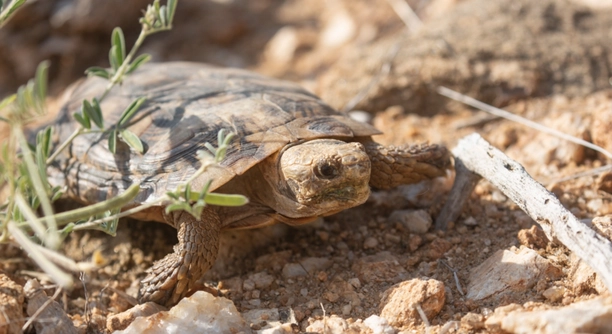
If you have a pancake tortoise, you may notice it spends a lot of time resting or sleeping. Understanding the reasons behind this behavior is important for ensuring its health and well-being.
Pancake tortoises may sleep more often due to factors like improper temperature, stress, or an inadequate diet. Ensuring a comfortable habitat with proper heating and a balanced diet will help reduce excessive sleeping and promote a healthier, more active lifestyle.
By identifying the cause, you can make necessary adjustments to improve your tortoise’s energy levels. Keep reading to learn how to create the best environment for your pancake tortoise’s needs.
Why Do Pancake Tortoises Sleep So Much?
Pancake tortoises are naturally active, but they are known to spend a significant amount of time resting. One of the main reasons they sleep so much is the temperature of their environment. Tortoises are cold-blooded animals, meaning they rely on their surroundings to regulate their body temperature. If their habitat is too cold, they may conserve energy by sleeping more often. Proper heat sources, like a basking lamp, are essential for keeping your tortoise active and healthy. Additionally, stress and improper diet can also contribute to lethargy. Tortoises under stress or fed an inadequate diet may experience lower energy levels, leading to excessive rest.
A tortoise’s natural sleep cycle is often influenced by its environment. When a habitat is too cold, it may induce sleep patterns that are unnatural for the species.
To maintain a healthy and active pancake tortoise, ensure its habitat has a consistent warm temperature, free from drafts or fluctuations. Diet is another critical factor; a balanced, nutrient-rich diet can significantly impact their energy levels. For example, a mix of leafy greens, occasional fruits, and the right supplements will help keep your tortoise nourished and energetic. Keep their living space clean and quiet to reduce stress, which can be another major reason for their excessive sleep. By maintaining the right temperature and diet, you can help your tortoise stay active and alert.
How Can I Fix My Pancake Tortoise’s Sleeping Habits?
Addressing the root cause of excessive sleep in your pancake tortoise is key to improving its energy levels.
To fix the issue, you need to adjust the tortoise’s environment and diet. Make sure its habitat is consistently warm, with a basking spot between 90-95°F. A warm environment will encourage your tortoise to be more active during the day. Ensure that your tortoise has access to fresh, clean water and feed it a balanced diet with plenty of vegetables, occasional fruits, and some protein-rich foods. Adding a calcium supplement can also aid in overall health and activity levels.
In addition to temperature and diet, reducing stress is crucial. Keep the tortoise’s habitat quiet and calm. Avoid placing it near loud or disruptive areas, and minimize handling. Stress can have a significant effect on your tortoise’s energy levels, so creating a peaceful environment is essential. Over time, you should notice an improvement in your tortoise’s activity and sleep patterns.
Temperature Matters
If the temperature in your tortoise’s habitat is too low, it will likely spend more time sleeping. Pancake tortoises need a basking area that maintains a temperature of 90-95°F. Without this warmth, they struggle to stay active. Too much cold makes them sluggish and prone to sleep.
A basking lamp can help provide the heat your tortoise needs. You can use a heat mat to maintain warmth, especially in cooler environments. Be sure to check the temperature regularly with a thermometer to ensure it’s stable. If the temperature fluctuates, it can affect your tortoise’s behavior. Adding a heat source can make a noticeable difference in its activity levels. A reliable heating setup will encourage your tortoise to stay awake and active, rather than seeking constant rest.
Another factor is the nighttime temperature. Keep the temperature in the enclosure at a consistent level to avoid stressing the tortoise. Nighttime drops are natural, but drastic temperature changes can cause stress, leading to more sleep. You can add insulation to help keep the warmth stable through the night.
Diet and Hydration
A balanced diet is essential to prevent your pancake tortoise from sleeping too much. Poor nutrition can lead to lethargy and a lack of energy. Your tortoise needs a variety of leafy greens, like kale, collard greens, and dandelion leaves, to stay active. It’s also important to provide occasional fruits like papaya or strawberries.
Supplementing their diet with calcium is a good idea to prevent shell deformities and encourage activity. Calcium also helps support their bones and overall health. You should also ensure they have constant access to clean water to stay hydrated, as dehydration can cause sluggishness. If your tortoise isn’t getting the right nutrients, it may become less active. Stick to a natural, healthy diet to help keep your pancake tortoise active and energized.
Without the proper diet, a pancake tortoise may become weak or stressed, which could lead to more sleep. Make sure you provide a well-rounded, nutrient-rich diet to maintain its energy. Additionally, avoid feeding your tortoise food that is too high in protein, as it may cause health issues. Stick to fresh, organic greens, and limit processed foods for the best results.
Stress and Its Effect
Stress can lead to your pancake tortoise sleeping more. A stressful environment can disrupt its natural behavior. This could be caused by loud noises, other pets, or a chaotic habitat. Stress often leads to lethargy.
To reduce stress, ensure the enclosure is placed in a quiet area. Avoid disturbing your tortoise with excessive handling. Keep the environment calm and secure. A stress-free space is crucial for your tortoise’s overall well-being.
Handling Your Tortoise
While it’s tempting to interact with your pancake tortoise, over-handling can cause unnecessary stress. Constant picking up or moving it can lead to anxiety. Tortoises tend to retreat into their shells when stressed, leading to more sleep and less activity.
You can still bond with your tortoise, but limit handling to avoid stress. Gently observe it in its natural environment. This will help it feel safe and relaxed. Only handle it when necessary for cleaning or health checks. Let it explore its space freely, reducing its stress.
The Right Lighting
Proper lighting is vital for a pancake tortoise’s activity. Exposure to natural or artificial UVB light is essential for its health and energy. Without adequate UVB light, your tortoise may feel lethargic.
Ensure the tortoise’s habitat has a UVB light to support its biological needs. This helps in the absorption of calcium and improves overall activity. Keep the light on for 10-12 hours during the day. Avoid too much direct light at night, as this can disrupt its sleep cycle.
FAQ
Why is my pancake tortoise always sleeping?
If your pancake tortoise is always sleeping, the issue could be linked to temperature, diet, or stress. Cold environments can cause your tortoise to sleep more, as they are cold-blooded and need heat to stay active. Additionally, a poor diet or lack of proper nutrition can make them sluggish. Stress, caused by a noisy environment or excessive handling, may also lead to lethargy. To fix this, ensure that your tortoise’s habitat is warm, well-lit, and free from disruptions. A balanced diet with plenty of leafy greens and a calcium supplement will help boost its energy.
How much sleep does a pancake tortoise need?
Pancake tortoises typically sleep between 12-14 hours a day. However, the exact amount can vary depending on factors like temperature and habitat. If your tortoise is in a cooler environment or not getting enough nutrition, it might sleep longer. In warmer, well-lit environments with proper care, it may sleep less and remain more active. It’s important to monitor your tortoise’s sleep habits and make adjustments as needed.
Can I handle my pancake tortoise often?
Handling your pancake tortoise frequently is not recommended. Over-handling can cause stress, leading to increased sleep and less activity. Tortoises need time to explore and feel safe in their environment. While gentle interaction is fine, it’s best to limit handling to essential tasks such as cleaning or health checks. This will help your tortoise feel secure and reduce the risk of stress-related sleep patterns.
What should I feed my pancake tortoise?
Pancake tortoises need a balanced diet to stay healthy and active. Their diet should consist primarily of leafy greens such as kale, collard greens, dandelion greens, and mustard greens. You can also offer occasional fruits like papaya, strawberries, or bananas. It’s important to avoid feeding them high-protein foods or excessive fruits, as this can upset their digestive system. Adding calcium supplements will help with shell development and overall health.
How can I reduce stress for my pancake tortoise?
To reduce stress, make sure your tortoise’s enclosure is placed in a quiet area where it feels safe. Avoid sudden loud noises and disturbances. Keep the environment simple and secure with hiding spots where your tortoise can retreat when needed. Handling should be minimal, and only done when necessary. A peaceful, consistent environment will help reduce stress and encourage your tortoise to stay active.
What is the ideal temperature for my pancake tortoise’s habitat?
The ideal temperature for a pancake tortoise’s habitat should range between 90-95°F in the basking area. The ambient temperature should be kept around 75-80°F. Tortoises are cold-blooded, so they rely on external heat sources to regulate their body temperature. If the environment is too cool, your tortoise may become sluggish and sleep more often. Ensure that there’s a proper heat source, such as a basking lamp or heat mat, to maintain these temperatures.
Do pancake tortoises need UVB light?
Yes, pancake tortoises need UVB light to maintain their health. UVB rays help them absorb calcium, which is vital for bone and shell development. Without proper UVB lighting, your tortoise may develop metabolic bone disease or become lethargic. You should provide UVB lighting for 10-12 hours a day. A combination of natural sunlight and artificial UVB light can help your tortoise stay healthy and active.
What if my pancake tortoise isn’t eating?
If your pancake tortoise isn’t eating, it could be due to several reasons, such as stress, improper temperature, or illness. Make sure your tortoise is in a warm, quiet environment with access to fresh, nutritious food. Check if there are any changes in its habitat that could be causing stress. If the lack of appetite continues, it’s best to consult a veterinarian to rule out any underlying health issues.
How do I know if my pancake tortoise is sick?
Signs of illness in a pancake tortoise can include a lack of appetite, abnormal lethargy, runny nose, swollen eyes, or difficulty moving. If you notice any of these symptoms, it’s important to act quickly. A decrease in activity or excessive sleeping can be signs of an underlying problem. Ensure the habitat conditions are correct and consult a veterinarian if the symptoms persist. Early diagnosis and treatment are crucial for recovery.
Can I keep more than one pancake tortoise together?
Pancake tortoises are generally solitary animals and prefer to live alone. While some may tolerate the presence of others, keeping multiple tortoises in the same enclosure can lead to stress, territorial behavior, and potential fighting. If you do decide to house more than one tortoise, make sure they have enough space and hiding spots to avoid conflicts. Monitoring their interactions is essential to ensure a peaceful environment.
How long do pancake tortoises live?
Pancake tortoises can live for 30-40 years with proper care. Their lifespan can be influenced by factors such as diet, habitat conditions, and overall health. Providing a balanced diet, maintaining an ideal temperature, and minimizing stress will help ensure your tortoise lives a long, healthy life. Regular veterinary check-ups are also essential for catching any health issues early.
Is it normal for my pancake tortoise to be inactive at night?
Yes, it is normal for pancake tortoises to be inactive during the night. Like most reptiles, they are diurnal, meaning they are active during the day and rest at night. Ensure that your tortoise’s nighttime temperature drops to around 70°F, which mimics its natural habitat. A cool, quiet environment helps your tortoise rest properly. If it is unusually inactive during the day, check for temperature issues or stress factors.
Final Thoughts
When caring for a pancake tortoise, it’s important to understand its unique needs. These creatures thrive in warm environments and require a proper balance of light, temperature, and diet to stay healthy. If your tortoise is frequently sleeping, it may be an indication that something is wrong with its habitat or health. While it’s normal for tortoises to rest for a significant portion of the day, excessive sleep or a sudden change in behavior may signal underlying issues that need attention.
The key to maintaining an active and healthy pancake tortoise is creating a stable, enriching environment. This includes providing proper UVB lighting, a warm basking spot, and a varied diet of leafy greens and occasional fruits. Regularly checking the temperature in their enclosure is also essential to prevent overheating or chilling, which can both affect their energy levels. Furthermore, it’s crucial to minimize stressors in their environment, such as loud noises or overcrowding, to ensure they feel safe and secure.
If you have addressed environmental factors and your tortoise’s behavior still seems off, it’s always a good idea to consult a veterinarian. Pancake tortoises, like all reptiles, can suffer from health issues that may not always be immediately visible. Regular check-ups can help ensure that your tortoise remains in good health for many years. With the right care, you can help your pancake tortoise lead a long and active life, free from excessive sleep or other behavioral issues.

Hello,
If you enjoy the content that we create, please consider saying a "Thank You!" by leaving a tip.
Every little bit helps us continue crafting quality advice that supports the health, happiness, and well-being of pets around the world, for pets of all shapes, sizes, and species.
We really appreciate the kindness and support that you show us!