
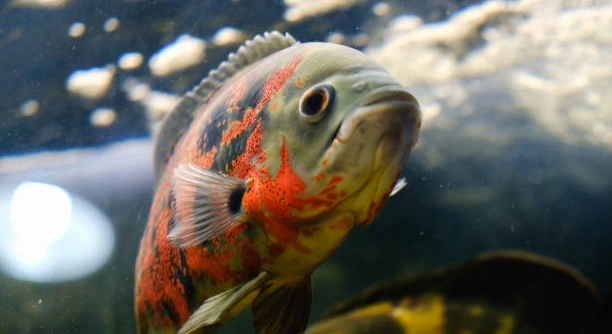
Oscar fish are known for their curious behavior and energetic personalities. If you’ve noticed your Oscar fish trying to jump out of its tank, it’s important to understand the reasons behind this unusual action.
Oscar fish may jump out of their tanks due to stress, improper water conditions, or a lack of stimulation. They are also known to leap when they feel threatened, or if their tank environment doesn’t meet their needs.
Understanding the root cause of this behavior will help you create a safer and more comfortable environment for your Oscar fish. Taking the right steps can prevent future jumping incidents and improve your fish’s well-being.
Stress and Overcrowding
Stress is one of the main reasons why Oscar fish try to jump out of their tanks. If the tank is too small, overcrowded, or has inadequate hiding spots, it can cause your fish to feel anxious. Oscars need plenty of space to swim freely and explore their environment. They are also territorial and can become stressed when sharing space with other aggressive or larger fish.
In such conditions, your Oscar may try to leap out of the water to escape perceived threats. Overcrowding creates an environment where your fish feels trapped, with nowhere to hide or move comfortably. Stress from a busy, chaotic tank can make them more likely to attempt jumping.
To reduce stress, provide your Oscar with a larger tank, ideally at least 75 gallons, and include decorations or plants that offer hiding spaces. Keep the number of tank mates to a minimum, ensuring that the fish are compatible with each other. A calm, peaceful environment will keep your Oscar fish from feeling overwhelmed and reduce its urge to jump.
Improper Water Conditions
Oscar fish are very sensitive to water conditions. When the water is too warm or cold, or if it’s too acidic or alkaline, your Oscar may try to escape. They prefer stable water temperatures around 75 to 80°F, and a pH level between 6.5 and 7.5.
Poor water quality, including high ammonia, nitrites, or nitrates, can also stress your Oscar. When these levels rise, your fish can become uncomfortable, prompting it to jump out in an attempt to flee the unpleasant conditions. Regular water changes and a good filtration system are key to keeping the water quality in check. Keeping the water clean and stable will help keep your Oscar fish calm and happy.
Ensuring that your fish has clean, properly adjusted water is essential for their health and well-being. Regular testing of water parameters is crucial to prevent issues that may stress your Oscar and cause jumping behavior.
Lack of Stimulation
Oscar fish are highly intelligent and curious. If they don’t have enough mental stimulation, they can get bored and try to escape. Lack of interaction or enrichment in the tank often leads to unwanted behaviors like jumping.
To prevent this, it’s important to provide your Oscar with an engaging environment. Adding decorations, rocks, or plants will encourage your fish to explore and interact with its surroundings. Floating objects or aquarium toys may also keep your fish entertained. Regularly changing the tank layout or adding new features can keep things interesting for your Oscar.
Keep in mind that Oscars enjoy occasional interaction with their owners. They are known to recognize their owners and may approach the glass when they see you. Offering feeding time as an interactive experience, such as hand-feeding, can also provide the mental stimulation they need.
Inadequate Tank Cover
If your Oscar fish is frequently trying to jump out of the tank, it’s possible that your tank’s cover isn’t secure enough. Without a lid, they may see the open space above as an escape route.
Using a proper tank cover is essential to prevent jumping accidents. Make sure the lid is secure and can withstand the force of your Oscar’s jumps. A tightly fitting mesh or glass lid will ensure that your fish stays inside the tank. Additionally, check for any gaps that might allow the fish to squeeze through.
A secure lid will also prevent other risks, such as contamination or pests entering the tank. When setting up your aquarium, prioritize safety to avoid any dangerous situations where your fish may escape or injure itself.
Hunger or Feeding Time
If your Oscar is hungry, it may try to jump out of the tank. Oscars are known to be greedy eaters and will sometimes leap toward the surface, anticipating food. This behavior can be more common if there’s a long gap between feedings.
To prevent this, make sure you are feeding your Oscar fish regularly and on a consistent schedule. Overfeeding should also be avoided, as it can lead to water quality issues. Stick to a feeding routine to keep your Oscar satisfied and reduce the temptation to leap for food.
Poor Tank Setup
A poorly set-up tank can increase the likelihood of your Oscar jumping. Factors like incorrect water temperature, lack of hiding spots, or aggressive tank mates can trigger anxiety. This stress may lead your Oscar to attempt an escape.
A well-thought-out tank setup will make your fish feel safe. Make sure to use appropriate filters, heaters, and decorations. Stability is key to ensuring your Oscar is comfortable, so it won’t feel the need to jump.
FAQ
Why is my Oscar fish jumping out of the tank?
Oscar fish can jump out of the tank for several reasons. Stress from poor water quality, overcrowding, or a lack of hiding spots can make your fish feel trapped or anxious. They may also jump if they’re not getting enough mental stimulation, or if they’re hungry. Additionally, improper tank conditions, such as extreme temperatures or an unsecured tank lid, can also trigger jumping behavior.
How can I stop my Oscar fish from jumping?
To prevent your Oscar from jumping, start by ensuring the tank is the right size, around 75 gallons or more. Provide plenty of hiding spots, decorations, and live plants to reduce stress. Regular water changes and maintaining stable water conditions will also help. Secure a proper tank lid to prevent accidents. If your Oscar seems bored, offer enrichment like interactive feeding or new tank features to keep them engaged.
What size tank does an Oscar fish need?
Oscar fish need a tank that provides enough space to swim comfortably. A minimum of 75 gallons is recommended for a single Oscar. If you have more than one, you should go even larger, as Oscars are territorial and need room to move around without feeling crowded. Larger tanks also make it easier to maintain water quality and reduce stress.
How often should I feed my Oscar fish?
Oscar fish should be fed 2-3 times a day. They are opportunistic feeders, meaning they’ll eat whenever food is available. However, it’s essential not to overfeed them as this can lead to poor water quality. Only feed them what they can consume in a few minutes to avoid uneaten food sitting in the tank, which could increase ammonia levels. A variety of foods, including pellets, freeze-dried foods, and occasional live food, will help ensure a balanced diet.
Can Oscar fish live with other fish?
Oscar fish can live with other fish, but they tend to be aggressive and territorial. It’s best to keep them with large, robust fish that can defend themselves. Fish like plecos, large catfish, or cichlids may make suitable tank mates. However, smaller fish or slower-moving species should be avoided, as Oscars may attack them.
How do I improve the water quality in my Oscar’s tank?
To maintain good water quality, perform regular water changes (about 25-30% of the tank’s volume every week). Use a high-quality filtration system that can handle the bioload of an Oscar fish. Make sure to test the water regularly for ammonia, nitrites, and nitrates. Keep the water temperature between 75-80°F, and maintain a pH level between 6.5 and 7.5 for optimal health. Using a substrate vacuum during water changes can also help remove debris from the tank floor.
What are the signs that my Oscar fish is stressed?
A stressed Oscar may exhibit behaviors like constant swimming near the tank’s surface, hiding in the corners, or attempting to jump. Physical signs can include faded color, clamped fins, or erratic swimming patterns. Stress can also cause reduced appetite or abnormal behavior, such as aggression towards other tank mates. If you notice these signs, it’s important to check the tank environment and make necessary adjustments to reduce stress factors.
Can I keep multiple Oscars in the same tank?
While Oscars can live together, it’s important to have a large tank—at least 100 gallons or more—to provide ample space. Keep in mind that Oscars are territorial and may fight if they feel crowded or threatened. Males can be especially aggressive toward other males. If you plan on keeping more than one Oscar, monitor their behavior and be ready to separate them if necessary.
What is the best tank setup for an Oscar fish?
An ideal tank setup for an Oscar should include a large, secure tank (75 gallons or larger), a strong filtration system, and stable water conditions. Decorate with large rocks, caves, or plants to provide hiding spots. Avoid overcrowding the tank, and place the tank away from noisy or high-traffic areas to reduce stress. A lid or cover is essential to keep the Oscar from jumping.
How long can an Oscar fish live?
Oscar fish can live for 10-15 years with proper care. Their lifespan depends on factors such as water quality, diet, tank size, and overall care. Oscars that live in stable conditions with proper water temperature, a balanced diet, and regular tank maintenance are more likely to live longer, healthier lives.
Final Thoughts
Oscar fish are fascinating and energetic creatures that can bring a lot of joy to an aquarium. However, their behavior can sometimes be challenging, especially when they try to jump out of the tank. Understanding the reasons behind this action is important in addressing the issue effectively. Whether it’s stress from overcrowding, poor water quality, or simply a lack of stimulation, recognizing the root cause will help you provide a better environment for your fish.
Taking care of an Oscar requires attention to its environment. Ensuring the tank is large enough, with plenty of space for swimming, hiding spots, and decorations can significantly reduce stress and prevent jumping. Regular water changes, stable water conditions, and a good filtration system are also essential for keeping your fish healthy and happy. A secure tank lid is crucial in preventing any accidents from jumping. Consistency in feeding and avoiding overcrowding are other simple ways to ensure your Oscar feels comfortable and less likely to leap out of its home.
Lastly, it’s important to keep in mind that Oscar fish are intelligent and social animals. They thrive when given enough attention and stimulation. A well-maintained tank, with the right environment and proper care, will make a huge difference in your Oscar’s behavior. By taking these steps, you can help your fish feel secure and prevent the unwanted behavior of jumping out of the tank.

Hello,
If you enjoy the content that we create, please consider saying a "Thank You!" by leaving a tip.
Every little bit helps us continue crafting quality advice that supports the health, happiness, and well-being of pets around the world, for pets of all shapes, sizes, and species.
We really appreciate the kindness and support that you show us!