
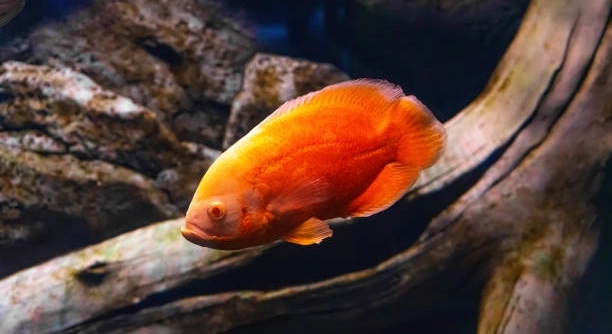
Is your Oscar fish suddenly swimming in quick circles, leaving you unsure if it’s just being playful or showing signs of stress?
The most common reason Oscar fish swim in quick circles is due to stress or agitation. Environmental changes, poor water quality, or the presence of a reflection can cause erratic swimming behavior and indicate a need for attention.
Understanding the reasons behind this behavior can help you create a better environment and ensure your fish remains calm, healthy, and happy.
Common Causes of Circular Swimming in Oscar Fish
Oscar fish may begin swimming in quick circles when something in their environment is off. This can include sudden changes in water temperature, poor filtration, or high levels of ammonia or nitrites. These conditions can irritate their skin and gills, leading to stress and strange swimming. Another reason could be the presence of their reflection in the tank glass. They might think it’s another fish and react defensively. Territorial behavior, especially in smaller tanks, can also cause aggressive swimming patterns. Sometimes, it’s simply boredom, especially in tanks with little stimulation or few decorations. Adding hiding spots and tank mates may help. If you’ve recently rearranged the tank or introduced new fish, your Oscar could be reacting to that change. Behavior like this shouldn’t be ignored. It’s important to act quickly and carefully, because stress over time can lead to more serious health issues or aggressive behavior toward other fish.
Check for poor water conditions first. This is one of the most common stress triggers in aquarium fish and is easy to test and fix.
Oscars are smart fish and need stable, clean environments to stay healthy. Test your water regularly and keep a routine cleaning schedule. This helps avoid unexpected changes. Decorations and plants can also reduce stress, giving them places to hide and feel secure. If your fish sees its reflection, adding a background to the tank may help. Try to observe if it circles near the glass only or everywhere in the tank. If it’s only in one spot, a reflection might be the reason. If the behavior continues after you adjust the environment, it could be internal parasites or illness. Watch for other signs like rubbing against objects, not eating, or frayed fins. If you notice anything unusual, consult a vet who specializes in fish. Sometimes, a change in diet can help too, especially if your Oscar isn’t getting enough variety in nutrients.
When to Take Action
If the behavior is frequent and paired with other changes like poor appetite or dull color, you should act quickly.
Unusual swimming may seem harmless at first, but it’s usually a sign of discomfort. Fish often show behavior changes before visible symptoms of illness appear. That’s why early action is helpful. Start by checking the water conditions. You can use a simple test kit from a pet store. Adjust ammonia, nitrite, and pH levels if needed. Make sure your tank is big enough; Oscars need a lot of space. A small tank can stress them out. Also, avoid sudden changes in water temperature during water changes. Keep the tank clean, but don’t over-clean and remove beneficial bacteria. Watch your Oscar fish for a few days after any changes. If the circling slows down, the issue may be fixed. If not, it’s a good idea to speak with an aquatic vet or fish specialist to rule out infections or other health problems.
How to Help Your Oscar Fish Stop Circling
Start by testing your tank water for ammonia, nitrites, and pH balance. If anything is off, fix it slowly. Sudden changes in water chemistry can stress your Oscar fish even more and make things worse.
Add more decorations or hiding spots to help reduce stress. Oscars feel safer when they have places to explore and hide. Use rocks, caves, or large plants that don’t have sharp edges. A background can also help if your fish is reacting to its own reflection. If possible, increase the tank size or reduce crowding. Oscars grow large and need enough space to swim comfortably. Try feeding a variety of food to keep your fish healthy and satisfied. This can include pellets, frozen shrimp, and occasional vegetables. Consistency is important—keep feeding and cleaning schedules regular. Watch your Oscar after making changes to see if its behavior improves.
If the circling continues, look for signs of illness. Symptoms like rubbing on objects, staying at the surface, or clamped fins can point to internal parasites or infections. In that case, isolate the fish in a hospital tank if possible. Use a treatment that’s safe for Oscar fish. Some medications can be too harsh or affect the beneficial bacteria in your main tank. Follow dosing instructions closely. Keep the hospital tank clean and warm. Continue observing your Oscar daily. Improvement might take a few days, depending on the issue. If there’s no change or things get worse, seek advice from an aquatic vet. It’s better to ask early than wait until the fish becomes weaker. Acting fast can prevent long-term harm and help your Oscar feel calm and healthy again.
Preventing the Behavior in the Future
Keep a regular cleaning schedule and test the water weekly. Stable water quality makes a big difference. Avoid sudden tank changes and always quarantine new fish before adding them to your main tank.
A large tank, clean water, and enough hiding spots all support a healthy Oscar. Feed a balanced diet and vary their meals every few days. Use a background to limit reflection and monitor your fish for any new signs of stress. Avoid tapping on the glass or moving decorations too often. Try to keep noise and sudden light changes around the tank to a minimum. Routine helps Oscars feel secure. If your fish seems restless, add new enrichment slowly. Even changing the flow of water with a new filter setting can stimulate them in a good way. The goal is to keep your Oscar engaged without causing confusion or stress. Small adjustments can lead to big improvements.
Other Behaviors to Watch For
If your Oscar starts rubbing its body against objects, it may be irritated or dealing with parasites. This behavior, called flashing, can be one of the first signs something is wrong in the tank.
A sudden loss of appetite or staying near the surface may point to breathing problems or stress. This usually means the water quality needs checking or oxygen levels are low.
What Tank Setup Works Best
Oscar fish need a tank that’s at least 55 gallons for one adult, but more space is always better. They grow large and enjoy swimming, so cramped conditions lead to stress. Use a strong filter that keeps the water clean but doesn’t cause strong currents. The temperature should stay between 74°F and 81°F. Use a heater if needed. Include caves, rocks, and smooth decorations for hiding spots. Don’t overcrowd the tank with other fish, especially smaller ones that Oscars may eat. A dark background can help them feel secure. Keep the lighting soft and avoid sudden changes.
When to Talk to a Vet
If your Oscar’s behavior doesn’t improve after making changes or if symptoms get worse, it’s time to contact an aquatic vet. Waiting too long can make recovery harder.
FAQ
Why does my Oscar fish swim in quick circles?
Quick circling is often a sign of stress or discomfort. Poor water quality, changes in the tank environment, or the presence of a reflection can cause this behavior. Sometimes, it’s just boredom or curiosity, especially in smaller tanks without much stimulation. It could also be a sign that your fish is reacting to something in the environment, such as another fish or a tank decoration that’s moved. The key is to check the water parameters and create a stable, safe environment to help your Oscar feel more comfortable.
Can water quality cause my Oscar to swim in circles?
Yes, water quality is a major factor in fish health. Ammonia, nitrite, or nitrate levels that are too high can irritate your Oscar and cause unusual swimming behavior. It’s important to test the water regularly to make sure it’s within safe parameters. Oscar fish are sensitive to poor water conditions, and any imbalance can cause them to act out. Water temperature and pH balance are also important. Make sure to perform regular water changes and clean the tank to keep things balanced.
How do I fix my Oscar’s swimming behavior?
First, test the water for ammonia, nitrites, and pH levels. If anything is off, adjust it slowly to avoid stressing your Oscar further. Make sure the tank is large enough—Oscar fish need room to swim comfortably. Add hiding spots, caves, or plants to give your fish some security. A dark background might help if your Oscar is reacting to its reflection. Avoid sudden changes in the tank that could stress the fish. Keep the tank clean, and establish a consistent feeding schedule to reduce anxiety.
Can an Oscar fish’s diet affect its behavior?
Yes, Oscar fish can act out if they aren’t getting enough of the right food. A lack of variety or the wrong type of food can cause health issues or frustration. Offer a well-balanced diet that includes pellets, frozen or live foods like shrimp, and occasional vegetables. Feed them enough to meet their nutritional needs, but avoid overfeeding, as this can lead to poor water quality. A good diet helps maintain your Oscar’s health and reduces stress.
Is my Oscar just being playful?
While Oscar fish can be curious and playful, swimming in quick circles is not usually a sign of playfulness. This behavior is more often linked to stress or agitation. If your Oscar is swimming in circles without a clear cause, it’s best to evaluate the tank conditions and check for any potential stressors. However, some fish may exhibit odd behaviors just out of curiosity or excitement, but consistent circling is likely a sign that something isn’t quite right.
Should I add more fish to my tank?
Adding more fish could help with boredom, but it’s essential to consider the size of your tank and your Oscar’s temperament. Oscars are territorial and can become aggressive, especially in smaller tanks. If you do decide to add other fish, make sure they’re compatible with Oscars in terms of size and temperament. Avoid adding smaller fish that could be seen as prey. Ensure your tank is large enough to accommodate additional fish without overcrowding. Always introduce new fish carefully to avoid stress and aggression.
How can I tell if my Oscar is sick?
If your Oscar isn’t eating, has discolored or frayed fins, or shows unusual behavior like rubbing against objects or swimming erratically, it might be sick. Check for other signs like lesions, swelling, or bloated areas on the body. These could be signs of infection, parasites, or internal issues. Poor water quality can also make your fish more susceptible to illness, so always check the tank parameters first. If you notice anything unusual, it’s best to isolate the fish and consult a vet who specializes in aquatic animals.
How do I improve the water quality in my tank?
Improving water quality starts with regular water changes and a good filtration system. Test the water regularly for ammonia, nitrites, nitrates, and pH to ensure everything is balanced. If needed, adjust the filtration system to make sure it’s working properly. Remove any debris or uneaten food that can affect water quality. Keep the tank clean but avoid over-cleaning, as it can disrupt the beneficial bacteria needed to break down waste. You can also use aquarium additives to help maintain a healthy balance.
What size tank does my Oscar need?
Oscar fish need a large tank, especially as they grow. A minimum of 55 gallons is recommended for a single Oscar, but bigger is always better. They grow quite large and need plenty of space to swim and explore. Overcrowding can cause stress, so make sure to give them enough room to thrive. If you plan to add other fish, the tank size should be adjusted accordingly. Keeping your Oscar in a spacious environment helps reduce stress and promotes overall health.
Can Oscars live with other fish?
Oscars can live with other fish, but they can be territorial and aggressive, especially in smaller tanks. Larger, peaceful fish that can hold their own are usually better companions for Oscars. Avoid smaller fish, as they may become prey. You can try tank mates like large catfish or other cichlids, but it’s important to monitor the interactions. Every Oscar is different, so it’s essential to observe how they behave with other fish and make adjustments if needed.
Why is my Oscar staying near the surface?
Oscar fish may stay near the surface if the water oxygen levels are low or if they are having trouble breathing. It could also indicate an issue with water quality, such as high ammonia or nitrite levels. Another possibility is that your fish is stressed and seeking comfort in a location it feels more secure. Ensure your filter is working well, and check the water quality to rule out any problems. If your Oscar continues to stay near the surface, it could also be sick or suffering from an internal issue.
Final Thoughts
Oscar fish are fascinating and intelligent creatures, but they require a stable and well-maintained environment to thrive. When you notice your Oscar swimming in quick circles, it’s a clear sign that something in its surroundings is causing stress. It could be poor water quality, a reflection, or overcrowding in the tank. Identifying the cause of this behavior is the first step to resolving the issue. It’s important to test your water regularly, maintain a clean tank, and provide your fish with enough space to swim comfortably. By addressing these factors, you can help your Oscar return to normal behavior.
If your Oscar’s circling continues despite adjusting the water conditions, it could be time to look for other signs of illness. Symptoms like rubbing against objects, loss of appetite, or abnormal swimming behavior can indicate an infection or parasite. In such cases, isolating the fish and treating it in a separate tank may be necessary. If you’re unsure of the cause, don’t hesitate to consult a vet who specializes in fish. The earlier you address health concerns, the better the chances of a successful recovery.
Creating a well-balanced environment for your Oscar will not only prevent stress-related behavior but also improve its overall health. Regular feeding, maintaining water quality, and ensuring the right tank size are key factors in keeping your Oscar fish happy and healthy. It’s also essential to provide enrichment, such as hiding spots or new decorations, to keep them mentally stimulated. With the right care, your Oscar can live a long, healthy life and bring joy to your aquarium for years to come.

Hello,
If you enjoy the content that we create, please consider saying a "Thank You!" by leaving a tip.
Every little bit helps us continue crafting quality advice that supports the health, happiness, and well-being of pets around the world, for pets of all shapes, sizes, and species.
We really appreciate the kindness and support that you show us!