
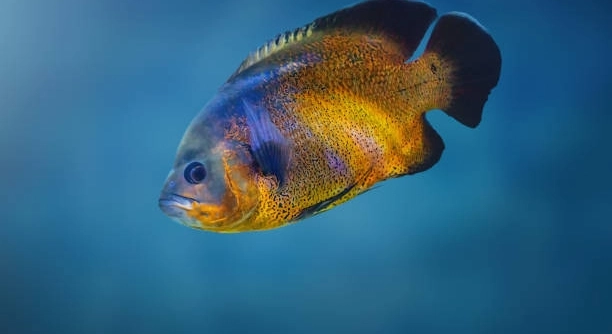
Oscar fish are known for their intelligence and unique personalities. However, when they suddenly exhibit paranoid behavior, it can leave their owners puzzled. Understanding the cause of this change is crucial for their well-being.
The main reason for your Oscar fish acting paranoid could be environmental stressors such as water quality issues, inadequate tank conditions, or changes in their surroundings. Stress can also be triggered by sudden shifts in diet or aggressive tank mates.
By addressing these potential factors, you can help your Oscar fish feel more secure and comfortable in their environment.
Environmental Stressors
Oscar fish are highly sensitive to changes in their environment, and small shifts can affect their behavior. Water quality is one of the most critical factors. Poor water conditions, such as high ammonia or nitrite levels, can cause stress, making your Oscar appear agitated or paranoid. Inadequate filtration or irregular water changes often contribute to these problems. Additionally, water temperature fluctuations can trigger stress responses, as Oscar fish prefer stable conditions.
Tank size plays a significant role as well. Oscar fish grow large and need ample space to swim. Crowded tanks or tanks with too many decorations can make them feel confined and anxious. It’s important to ensure your Oscar has enough space to roam freely. Without this, they may exhibit erratic behaviors, like skimming along the tank walls or hiding frequently.
Consistent water temperature and maintaining the right tank conditions can significantly reduce stress. Regular checks of water parameters are essential to keep your Oscar calm and healthy.
Aggressive Tankmates
Oscar fish are territorial, and the presence of aggressive tankmates can cause them stress. They may act paranoid if they feel threatened. It’s essential to choose tankmates that are peaceful or similarly sized and strong enough to coexist with an Oscar. Keeping aggressive fish or smaller, timid species can heighten stress levels, leading to the erratic behavior you’re noticing.
Oscar fish need to feel secure in their environment. Tankmates should be selected based on their ability to maintain peace and avoid constant confrontation. If aggression from tankmates persists, the paranoia may worsen, leading to further health issues.
Poor Diet
Oscar fish thrive on a varied diet, but an improper or imbalanced one can lead to stress and paranoia. A lack of essential nutrients or too much processed food can make them act unusually. High-protein foods are vital, but they need to be balanced with vegetables for overall health.
When Oscars are fed the same food daily, they may become stressed, leading to erratic behavior. It’s important to offer a mix of high-quality pellets, live foods like worms or shrimp, and occasional plant matter. A varied diet helps to maintain both their physical health and their mental state, preventing stress-related behavior.
Overfeeding can also be an issue. While it’s tempting to give them more food, it can cause bloating, water quality problems, and lead to paranoia. Stick to an appropriate feeding schedule and ensure the food you provide is high in nutrition. Regular, balanced meals can help maintain your Oscar’s health.
Tank Maintenance
Regular tank maintenance is essential to keeping your Oscar fish calm. Dirty tanks with poor filtration can increase stress and lead to paranoia-like behaviors. The buildup of waste in the tank can affect water quality and make your Oscar uncomfortable. A clean environment promotes peace of mind.
Changing 25-30% of the water every two weeks is recommended to keep ammonia levels low. Also, check the filtration system to make sure it’s functioning properly. A properly maintained filter helps prevent harmful toxins from building up in the water, ensuring your Oscar fish feel safe and comfortable. This regular maintenance routine can minimize stress, keeping their behavior stable and healthy.
Illness or Injury
Oscar fish may act paranoid if they’re unwell or injured. Illnesses like parasites or infections cause discomfort, making them more anxious. If your Oscar shows signs like erratic swimming or rubbing against surfaces, it’s essential to check for symptoms of illness.
Injuries can also cause abnormal behavior. Oscars often get scratched or damaged by rough surfaces or sharp decorations in the tank. If the injury isn’t treated, it can lead to infection, which may affect their behavior. Monitoring for any visible wounds or changes in swimming patterns can help catch any issues early.
Lighting Issues
Oscar fish are sensitive to light, and incorrect lighting can contribute to paranoia. Too much light or inconsistent light patterns can cause stress. They are most comfortable in tanks that simulate natural lighting cycles, with a period of darkness at night.
Keeping a consistent day-night cycle with appropriate lighting helps reduce stress. Avoid using overly bright or harsh lights that might disorient them. Gentle, subdued lighting that mimics the sun’s natural progression is best for keeping your Oscar calm and comfortable. A timer can help maintain a regular light schedule.
FAQ
Why is my Oscar fish swimming in circles?
Oscars may swim in circles due to stress, illness, or boredom. If they’re confined to a small tank or experiencing poor water quality, they may begin to exhibit repetitive behaviors, like swimming in circles. It can also indicate a problem with their physical health, such as parasites or infection. It’s important to monitor your Oscar closely, checking the water conditions, ensuring the tank is large enough, and looking for any signs of injury or illness. If the behavior continues, consulting an aquarium professional may be necessary.
Is it normal for my Oscar fish to hide a lot?
Oscars are generally active fish, but they may hide if they are stressed, feeling threatened, or unwell. Hiding can be a response to changes in their environment, aggressive tankmates, or poor water quality. If this behavior becomes frequent, it’s crucial to assess their surroundings. Ensuring the tank is large enough, with appropriate decorations or hiding spots, may help reduce stress. Also, check the water conditions, as poor water quality can make them retreat into hiding more often.
Can my Oscar fish become depressed?
Yes, Oscar fish can experience depression, usually triggered by stressors like poor tank conditions or an unstable environment. Depression in fish can show through lethargy, refusal to eat, or erratic behavior. If your Oscar is acting withdrawn or unresponsive, it’s essential to address any potential stressors such as overcrowding, water issues, or sudden changes in their environment. Providing a stable, clean environment with proper lighting, water conditions, and appropriate tankmates can help restore your Oscar’s mental well-being.
How do I know if my Oscar fish is stressed?
Common signs of stress in Oscar fish include erratic swimming, hiding, loss of appetite, and a change in their usual behavior. If your Oscar fish is frequently rubbing against surfaces or swimming in circles, it could indicate physical discomfort caused by stress. Stress can be caused by a variety of factors, including poor water quality, aggression from other tankmates, or environmental changes. Maintaining a consistent tank environment and regularly checking water parameters can help alleviate stress and keep your Oscar fish happy.
Why does my Oscar fish keep darting around the tank?
Darting around the tank can be a sign of stress or excitement. If your Oscar is darting rapidly, it may be feeling threatened or frustrated due to inadequate tank conditions or aggressive tankmates. Ensure the tank is large enough for your Oscar, as cramped spaces can cause anxiety. It’s also important to check for any potential injuries or illnesses, as these can trigger erratic swimming behaviors. If darting behavior continues, adjusting the tank’s environment and water quality should be a priority.
Can Oscars be kept with other fish?
Oscar fish can live with other fish, but they require careful selection of tankmates. Oscars are territorial and may become aggressive toward smaller fish, particularly those that can be seen as prey. Larger, hardy species that can defend themselves are the best companions for an Oscar. Some common tankmates for Oscars include larger cichlids or certain types of catfish. However, it’s essential to monitor the tank for any signs of aggression and provide plenty of hiding spots for all fish.
How often should I feed my Oscar fish?
Oscar fish should be fed once or twice a day. Overfeeding can lead to water quality issues and cause health problems, so it’s important to provide the right amount of food. Feed them a variety of high-quality foods such as pellets, live foods, or frozen foods. Oscars can also eat vegetables occasionally, like peas or spinach. Make sure to remove any uneaten food from the tank to prevent it from decaying and affecting the water quality.
What is the ideal tank size for an Oscar fish?
Oscar fish require a large tank to thrive. A 55-gallon tank is the minimum size recommended for a single Oscar, but larger tanks are preferable, especially as they grow. Oscars can reach up to 12-14 inches in length, so they need plenty of swimming space. If you plan to keep more than one Oscar or additional tankmates, you will need an even larger tank to ensure they have enough room and can avoid territorial disputes. Proper filtration is also important to maintain water quality in a larger tank.
What should I do if my Oscar fish is not eating?
If your Oscar fish refuses to eat, it could be a sign of stress, illness, or an improper diet. Check the water quality, as poor water conditions can affect their appetite. If the water is fine, look for signs of illness such as lethargy or abnormal swimming behavior. Offer a variety of foods, such as live or frozen food, to see if they have a preference. If the lack of appetite continues for several days, a visit to the vet or an aquarium expert may be necessary to rule out illness.
How can I make my Oscar fish feel safe?
To make your Oscar fish feel safe, it’s important to provide a stable environment. This includes maintaining proper water quality, temperature, and lighting. Make sure the tank is large enough for them to swim comfortably, with plenty of hiding spots if they feel threatened. Keep aggressive tankmates to a minimum and avoid frequent changes to the tank setup, as Oscars are sensitive to sudden changes. By ensuring they feel secure, you can help prevent stress-related behaviors like paranoia.
Final Thoughts
Oscar fish are known for their vibrant personalities, but their behavior can sometimes become erratic, leaving owners wondering what might be causing their anxiety. Understanding the factors that contribute to this change is essential for providing a healthy environment for your fish. It’s important to remember that Oscars, like any pet, have specific needs when it comes to tank size, water quality, diet, and tank mates. Meeting these needs will go a long way in preventing the stress that often triggers paranoid behaviors.
Proper care, including routine maintenance and attention to their health, can help ensure that your Oscar fish thrive. Regular water changes, the right water temperature, and a varied diet are all key to maintaining their well-being. Avoiding overcrowded tanks and providing enough space for your Oscar to swim comfortably is also crucial. The combination of these elements creates a stress-free environment that reduces the chances of your Oscar fish becoming paranoid or exhibiting strange behaviors.
If your Oscar fish does begin showing signs of stress or paranoia, it’s important to assess their environment and make necessary adjustments. This could mean improving water quality, changing their diet, or ensuring that their tank is set up in a way that minimizes stress. With the right care and attention, your Oscar can be a happy, healthy companion for years to come. Keeping a close eye on their behavior and taking prompt action when needed will help you maintain a peaceful tank environment.

Hello,
If you enjoy the content that we create, please consider saying a "Thank You!" by leaving a tip.
Every little bit helps us continue crafting quality advice that supports the health, happiness, and well-being of pets around the world, for pets of all shapes, sizes, and species.
We really appreciate the kindness and support that you show us!