
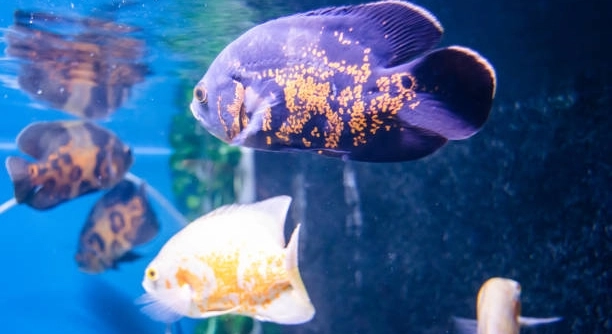
Oscar fish are known for their active personalities, but sometimes, they may refuse to move. If this happens, it can be worrying for any fish owner. Understanding the reasons behind this behavior is crucial for proper care.
The most common causes of an Oscar fish refusing to move are stress, illness, water quality issues, or even improper tank conditions. Stressful environments can cause your Oscar to become lethargic, affecting its normal behavior.
By addressing these potential issues, you can help your Oscar fish get back to its active self. Let’s explore these factors and find solutions to get your fish swimming freely again.
Stress and Anxiety Can Affect Your Oscar Fish
Oscar fish are sensitive to their environment. If something changes in their tank, they may react by becoming stressed and refusing to move. Changes like a new tank mate, noisy surroundings, or even a shift in the decor can trigger this behavior. Oscar fish are also territorial and may not adapt well to newcomers. When they feel threatened, they can freeze up or hide.
Sometimes, it’s not just the immediate changes that cause stress. For example, sudden movements or loud noises near the tank can make your fish feel uneasy. It’s important to keep their environment calm to avoid putting them in a stressful situation. They may not swim around as they usually do when they’re feeling anxious.
To help reduce stress, maintain a consistent environment. Ensure that the water temperature and pH level remain stable. Avoid tapping on the glass or adding too many new things at once. By creating a calm and predictable space, your Oscar will feel more comfortable and active.
Poor Water Quality Could Be a Major Issue
Your Oscar’s refusal to move can be linked to poor water quality. Fish rely on clean, well-maintained water to stay healthy. If the water quality is compromised, your fish might become lethargic or disoriented.
Dirty water can lead to a variety of health problems for your Oscar fish. High levels of ammonia, nitrites, or nitrates can cause irritation to the fish’s skin and gills, making them unwilling to move. Over time, this can lead to more serious issues if left unaddressed. Regular water changes and testing the water for harmful substances is essential.
Poor filtration or overcrowding in the tank can also contribute to these problems. Make sure the tank has an adequate filtration system to keep the water clean and oxygenated. Removing uneaten food and waste promptly will also help maintain a healthier environment. Keeping the water clean can prevent future stress and encourage movement in your Oscar.
Illness and Health Concerns
If your Oscar fish is refusing to move, it could be a sign of illness. Fish are good at hiding their symptoms, but a lack of activity is often one of the first noticeable signs. Common diseases like parasites, fungal infections, or internal issues can make them lethargic.
It’s important to keep an eye on other symptoms, such as changes in their appearance, eating habits, or breathing. For example, cloudy eyes, pale skin, or unusual swimming behavior might indicate an illness. If your Oscar seems weak and unwilling to move, it’s crucial to assess its overall health.
In some cases, poor water quality or stress can weaken the immune system, making your fish more susceptible to illnesses. Regular health checks and water tests can help catch problems early. If you suspect an illness, consult a vet who specializes in fish to ensure proper treatment. Taking action quickly can prevent further complications and help your Oscar recover.
Incorrect Tank Setup
The setup of your tank plays a significant role in the comfort of your Oscar fish. If the tank isn’t arranged correctly, your fish may feel unsafe and refuse to move. Factors like the size of the tank, tankmates, or hiding spots can all affect behavior.
Oscar fish need plenty of space to swim around, as they can grow quite large. A small tank or overcrowded conditions may make them feel trapped. In addition, the absence of hiding spots can leave them feeling vulnerable. It’s important to create a balance between open space and areas where they can retreat if needed.
To improve their comfort, ensure that the tank is large enough and has decorations like plants, caves, or rocks. A tank that mimics a natural environment provides a sense of security, encouraging your Oscar to be more active. Take time to check that the setup meets their needs and adjust if necessary.
Temperature and Water Conditions
If the water temperature is too high or too low, your Oscar might refuse to move. These fish are very sensitive to changes in temperature. If it’s outside their preferred range, they can become sluggish and inactive.
The ideal temperature for Oscar fish is between 75-80°F (24-27°C). If the temperature falls outside of this range, it can stress your fish, making them lethargic. It’s important to regularly check the water temperature with a reliable thermometer to ensure it stays within a comfortable range. Keeping the water stable helps maintain your Oscar’s health and energy levels.
If you notice your fish becoming inactive, adjusting the temperature might make a difference. Avoid sudden shifts in water temperature, as it can further stress your Oscar.
Lighting and Day-Night Cycle
Inadequate lighting can also affect your Oscar’s behavior. Fish need a proper day-night cycle to feel at ease. Without consistent light and dark periods, they may become disoriented or lethargic.
Oscars thrive in environments that mimic natural light conditions. Ensure the tank has a day-night cycle of about 10-12 hours of light. A timer can be helpful to maintain a consistent routine. Bright lighting can stress your fish, so it’s important to avoid harsh, direct light and provide some dim areas in the tank.
Overfeeding and Feeding Habits
Overfeeding your Oscar can contribute to its inactivity. If too much food is offered, uneaten food can pollute the water, leading to poor water quality. This can cause your fish to feel sluggish or unwell.
It’s essential to feed your Oscar the right amount, usually once or twice a day. Remove any uneaten food after about 5-10 minutes to prevent it from breaking down and contaminating the water. Keeping a balanced feeding schedule ensures that your fish stays healthy and active. Overfeeding is one of the easiest issues to fix and can often restore movement in your Oscar.
FAQ
Why isn’t my Oscar fish swimming around?
If your Oscar fish isn’t swimming, it could be due to stress, illness, poor water conditions, or an incorrect tank setup. Stressful environments or sudden changes can cause Oscars to become inactive. If the water quality is low or the temperature is outside their comfort zone, they may become lethargic. Make sure the tank is clean and the temperature is between 75-80°F (24-27°C). Also, check for any signs of illness or injury that might be affecting your fish’s behavior. Sometimes, Oscar fish simply need time to adjust to their surroundings.
How can I help my Oscar fish feel better?
To help your Oscar feel better, start by ensuring the tank conditions are ideal. Clean water is crucial, so perform regular water changes and monitor the pH, ammonia, and nitrate levels. If your fish seems stressed, try adding hiding spots like plants or caves for it to retreat to. Keep the tank’s environment calm, with consistent lighting and a proper day-night cycle. If your Oscar appears sick, consider separating it into a quarantine tank and consult a vet who specializes in fish care.
Could my Oscar fish have a disease?
Yes, Oscar fish can suffer from diseases just like other fish. Common diseases include internal parasites, fungal infections, or bacterial problems. Symptoms like cloudy eyes, unusual swimming, bloating, or a lack of appetite could indicate illness. If you notice these signs, you may need to treat your Oscar with the appropriate medication. It’s important to quickly address any health concerns to avoid complications. Keep in mind that poor water quality or stress can weaken your fish’s immune system, making it more susceptible to disease.
What temperature is best for an Oscar fish?
Oscar fish do best in water that stays between 75-80°F (24-27°C). A sudden change in temperature can stress them out, leading to inactivity. If the water is too cold, your Oscar may become sluggish and lose its appetite. If it’s too hot, your fish might become stressed and could even suffer from heat-related illnesses. Maintaining a stable water temperature is essential, and using a reliable heater and thermometer can help ensure the water stays in the optimal range.
Can my Oscar fish live with other fish?
Oscar fish can live with other fish, but it’s important to choose compatible tankmates. Oscars are territorial and may become aggressive, especially with smaller or more timid species. Larger fish like catfish, plecos, or other cichlids can be good tankmates. Be sure the other fish are strong enough to hold their own and aren’t easily intimidated. Avoid placing smaller fish or those with long, flowing fins with your Oscar, as they may become targets for aggression.
How do I know if my Oscar is stressed?
A stressed Oscar fish may exhibit behaviors like hiding, not eating, or remaining still for long periods. It may also display rapid gill movement or swim erratically. Changes in coloration, such as paling or darkening of the skin, can also indicate stress. Stress can be caused by factors like poor water quality, sudden changes in the environment, or overcrowding. If you notice any of these signs, take action to improve the tank conditions and provide a peaceful environment for your Oscar.
What’s the best way to feed my Oscar fish?
Feeding your Oscar fish the right amount and type of food is important for its health. Oscars are carnivores and thrive on a diet of high-quality pellets, live food like worms or shrimp, and occasional fresh fish or beef heart. Feed your Oscar once or twice a day, offering only as much food as it can eat in 5-10 minutes. Avoid overfeeding, as uneaten food can pollute the water and lead to health problems. If your Oscar’s appetite drops, check the water quality, as poor conditions can reduce its desire to eat.
Why is my Oscar hiding all the time?
If your Oscar is hiding frequently, it could be due to stress, illness, or poor tank conditions. Hiding is a natural behavior when a fish feels threatened or uncomfortable. Check for any changes in the tank that might be causing stress, such as new tankmates or environmental changes. Also, make sure the water quality is optimal and the temperature is within the correct range. If your Oscar is also showing other signs of illness, it may need medical attention. Providing hiding spots in the tank can also help your fish feel more secure.
How can I prevent my Oscar fish from getting sick?
To prevent your Oscar from getting sick, maintain good water quality by doing regular water changes and testing for harmful substances like ammonia and nitrites. Keep the tank clean by removing uneaten food and waste promptly. Ensure your Oscar has a proper diet, including high-quality pellets and occasional live food. Avoid overcrowding the tank, and make sure your Oscar has enough space to swim. Lastly, keep an eye on your fish for any changes in behavior or appearance, as early detection can make a difference in treatment.
Is it normal for my Oscar fish to be inactive sometimes?
Yes, it’s normal for your Oscar to have occasional inactive periods, especially after eating or during sleep. Fish, like all animals, need rest. However, if your Oscar is inactive for an extended period, it may be a sign of stress, illness, or poor water quality. Pay attention to any other changes in behavior or physical appearance, and if inactivity persists, check the tank conditions. Make sure the water temperature, pH, and other parameters are within the recommended range.
Final Thoughts
Understanding why your Oscar fish refuses to move can be frustrating, but it’s important to address the underlying causes. Oscars are active fish, and when they stop moving or become lethargic, it often indicates a problem that needs attention. From poor water conditions to stress, there are several factors that can affect their behavior. If your Oscar is inactive, taking the time to assess its tank environment and health is crucial.
One of the first things to check is the water quality. Oscars are sensitive to changes in their environment, and even small fluctuations in temperature, pH, or ammonia levels can stress them out. Keeping the tank clean and maintaining a stable water temperature between 75-80°F (24-27°C) is essential for their well-being. Regular water changes, proper filtration, and monitoring the water conditions will go a long way in ensuring your Oscar stays healthy and active. If the water quality is off, it can lead to lethargy and even illness.
In addition to water conditions, stress is another major factor that can cause your Oscar to refuse movement. Changes in the tank setup, the presence of other aggressive fish, or even sudden loud noises can make your Oscar feel unsafe or threatened. Creating a peaceful and stable environment is key. Ensure your fish has enough space to swim, and consider adding hiding spots like plants or rocks to help your Oscar feel secure. If your fish seems stressed, it may take some time for it to recover, but with a calm and consistent environment, it should gradually become more active again.

Hello,
If you enjoy the content that we create, please consider saying a "Thank You!" by leaving a tip.
Every little bit helps us continue crafting quality advice that supports the health, happiness, and well-being of pets around the world, for pets of all shapes, sizes, and species.
We really appreciate the kindness and support that you show us!