
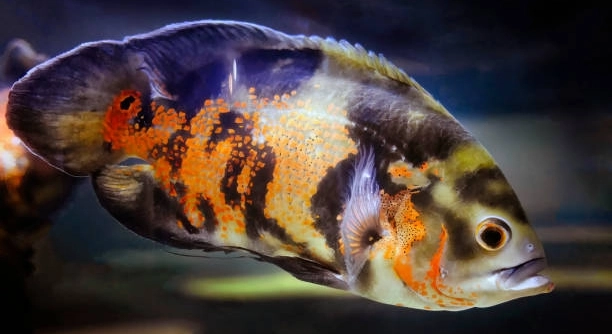
Oscar fish are known for their unique behaviors, and one common action you might observe is them pecking at the substrate. While this can seem strange, it is actually part of their natural instincts and behavior patterns.
Oscar fish peck at the substrate to explore their environment, search for food, or express territoriality. They may also exhibit this behavior when they are curious or stressed, particularly in a new or altered tank setting.
Understanding this behavior can help you better manage your fish’s health and environment. We’ll explore the causes and offer tips to ensure your Oscar fish stays happy and healthy.
Reasons Behind the Pecking Behavior
Oscar fish are naturally curious and tend to interact with their surroundings using their mouths. When they peck at the substrate, it could be due to several factors, such as investigating their environment or searching for potential food. Oscars are omnivores, and while they primarily hunt for live food in the wild, aquarium settings often present them with a different routine. When pecking at the substrate, they may be looking for leftover food or even small particles that could be edible. This behavior is part of their instinct to explore and search for nutrients.
While Oscar fish are typically bottom dwellers, their pecking at the substrate can also be a way to relieve stress. Changes in their tank, like water parameters or a new environment, may trigger this behavior. It can also be a sign of boredom or frustration if the tank doesn’t offer enough stimulation. This is especially true for fish that are kept in smaller, less stimulating environments.
If the behavior becomes excessive, it might be worth looking into potential solutions to enhance their tank environment. Adding objects for hiding or increasing tank space can make a significant difference.
How to Manage This Behavior
Keeping Oscar fish comfortable requires understanding their needs. Ensure the substrate is clean, and there is enough food provided.
A balanced diet that caters to their natural instincts and offering hiding spots can reduce pecking and promote a healthier environment.
Stress and Anxiety in Oscar Fish
Stress can lead to various behaviors in Oscar fish, including excessive pecking at the substrate. This may happen when their environment feels unstable or when they are adjusting to new changes. Stress factors like improper water conditions or territorial disputes can trigger this reaction.
To reduce stress, ensure the water parameters are stable. Oscars thrive in slightly acidic to neutral water with temperatures between 74-81°F. Regular water changes and maintaining a clean tank help keep stress levels low. Additionally, overcrowding can make Oscars feel threatened, leading to increased pecking. A larger tank with fewer fish can significantly reduce anxiety.
It’s important to avoid sudden changes in the tank. Gradual adjustments in water temperature, pH levels, and lighting can help Oscar fish feel more secure. Providing them with ample space to explore will allow them to feel less confined, further reducing stress-related behaviors like pecking.
Exploring New Tank Environments
New tank setups can be overwhelming for Oscar fish. When introduced to a new tank, they might start pecking the substrate as a way to understand their surroundings. This behavior is often temporary but can be persistent if the tank lacks the right features.
To help Oscar fish adjust, provide hiding spots like caves or plants. These give them a sense of security, making them less likely to become stressed. The layout of the tank should mimic their natural environment as closely as possible to reduce confusion. Oscars tend to be more active when they feel safe, which can help minimize undesirable behaviors like excessive pecking.
Additionally, tank decorations or objects that encourage natural foraging behaviors can also stimulate the fish. Ensuring they have things to investigate can prevent boredom, another factor that might lead to pecking.
Feeding Behavior and Pecking
Oscar fish may peck at the substrate when they are looking for food. In the wild, they hunt for small organisms on the substrate, and in an aquarium, they may continue this behavior. If they are not getting enough food, they will search the tank for additional sources.
It’s important to provide a varied diet to prevent your Oscar from pecking excessively. They need both protein-rich foods like live or frozen fish and plant matter. Feeding them a few times a day in appropriate amounts will keep them from scavenging and pecking at the tank substrate.
Tank Size and Space
A larger tank is essential for Oscar fish. If they are kept in a cramped space, they may begin to exhibit behaviors like pecking at the substrate out of frustration. A tank that is at least 75 gallons is recommended for a single Oscar fish.
A spacious tank allows them to swim freely, reducing stress and encouraging natural behaviors. Oscars are territorial fish and need enough space to establish their own territory. Providing sufficient space for swimming, resting, and hiding can significantly reduce unwanted behaviors like pecking.
Tankmates and Pecking
Oscar fish can sometimes peck at the substrate when they are stressed due to the presence of other tankmates. If another fish is aggressive or overly dominant, your Oscar might feel threatened and start searching the substrate.
Choosing peaceful, non-territorial tankmates can reduce this stress. Avoid adding small or slow-moving fish that might become targets of aggression. Instead, select fish that can coexist with Oscars without causing conflict.
FAQ
Why is my Oscar fish constantly pecking at the substrate?
Oscar fish often peck at the substrate due to natural instincts to forage for food. In the wild, they search the substrate for small organisms, and in captivity, they may mimic this behavior. It’s possible they are looking for leftover food or small particles they find interesting. If they are not fed enough or are bored, they may engage in this behavior more frequently. Ensure they have a varied diet and enough stimulation in their tank to reduce this activity.
Could water quality cause my Oscar fish to peck at the substrate?
Yes, poor water quality can cause Oscar fish to stress and display unusual behaviors, including pecking at the substrate. Oscars are sensitive to water changes and thrive in stable environments. If ammonia, nitrites, or nitrates are too high, it can lead to stress, causing them to behave differently. Regular water changes and monitoring the tank’s water parameters can help maintain a healthy environment for your Oscar.
How do I know if my Oscar is stressed?
Stressed Oscar fish may exhibit several behaviors, such as excessive pecking at the substrate, swimming erratically, hiding, or showing signs of aggression. If your Oscar’s behavior changes suddenly, it’s important to check the water conditions and any potential stressors, such as tank mates or changes in the tank environment. If the behavior persists, consider providing more space, hiding spots, or improving the overall tank setup.
Can Oscar fish peck at the substrate due to boredom?
Yes, boredom is another reason Oscar fish might start pecking at the substrate. Oscars are active fish that need mental and physical stimulation. If their environment lacks enrichment, they may resort to behaviors like substrate pecking as a way to pass time. You can add tank decorations, hiding spots, or rearrange the tank to provide more exploration opportunities. Also, consider adding tankmates or providing regular feedings to keep them engaged.
How often should I feed my Oscar fish to avoid pecking?
Feeding your Oscar fish regularly can help prevent excessive substrate pecking. Oscars need a varied diet that includes both protein-rich foods and vegetables. Typically, feeding them once or twice a day is sufficient. Overfeeding can lead to water quality issues, but underfeeding might cause them to scavenge and peck at the substrate in search of food. Adjust the quantity based on their size and activity level, ensuring they receive enough nutrients without leaving excess food in the tank.
Does tank size affect my Oscar fish’s behavior?
Yes, tank size plays a significant role in Oscar fish behavior. If the tank is too small, Oscar fish may feel stressed or territorial, leading to behaviors like pecking at the substrate. A tank of at least 75 gallons is recommended for a single Oscar. Providing ample space helps them feel secure and reduces the likelihood of undesirable behaviors. Larger tanks also offer more room for swimming, hiding, and exploring, all of which can contribute to your fish’s overall well-being.
Can Oscar fish peck at the substrate if they are trying to establish territory?
Oscar fish are territorial and may use substrate pecking as part of their territorial behavior. If they feel threatened or are trying to assert dominance, they may display behaviors like pecking at the substrate. This can be more common if there are other fish in the tank competing for space or resources. Providing adequate space and hiding places can help reduce territorial disputes and prevent this behavior.
Is my Oscar fish pecking at the substrate a sign of illness?
In some cases, Oscar fish may peck at the substrate due to illness, particularly if they feel uncomfortable or stressed. If the pecking is accompanied by other signs such as lethargy, discoloration, loss of appetite, or unusual swimming patterns, it could indicate a health issue. In this case, you should examine the fish for any visible signs of disease and check the water quality. If symptoms persist, consulting with a veterinarian or an aquatic specialist is recommended.
Can I prevent Oscar fish from pecking at the substrate?
While it’s difficult to completely stop Oscar fish from pecking at the substrate, there are ways to minimize it. Providing a varied diet, enriching their environment with hiding spots and tank decorations, and maintaining stable water conditions can reduce the frequency of this behavior. Regular feeding and avoiding overcrowding can also help ensure they stay active and less likely to engage in substrate pecking.
Are there any tank mates that help reduce Oscar fish’s pecking behavior?
Adding tank mates can help reduce Oscar fish’s pecking behavior by keeping them occupied and less focused on the substrate. However, it’s important to choose tank mates carefully. Peaceful, similarly-sized fish that won’t provoke aggression or stress are ideal. Avoid small or slow-moving fish, as Oscars may see them as targets. Compatible tank mates can help provide more social stimulation, which could reduce boredom-related behaviors like pecking at the substrate.
Final Thoughts
Oscar fish are known for their vibrant personalities and unique behaviors. If you’ve noticed your Oscar fish pecking at the substrate, it’s important to first consider the possible causes. This behavior is often linked to natural instincts, where they forage for food just as they would in the wild. It’s a normal part of their nature, but it can also be triggered by stress, boredom, or environmental factors. Understanding why your Oscar is pecking can help you create a better environment for them and prevent unwanted behaviors.
Ensuring your Oscar fish has a balanced diet, a spacious tank, and stable water conditions will go a long way in reducing substrate pecking. Feeding them regularly and providing food that suits their dietary needs can prevent them from scavenging. Additionally, offering enrichment in the tank, such as hiding spots, decorations, and even tank mates, can reduce stress and provide mental stimulation. A larger tank with more space for swimming and exploring also minimizes frustration that could lead to excessive pecking. Oscars need their environment to feel safe and secure to thrive.
Remember, while pecking at the substrate is common, it’s important to observe the overall health and behavior of your fish. If pecking is combined with other signs like lethargy or abnormal swimming patterns, it could indicate a deeper issue. Regular water testing and tank maintenance will help avoid water quality problems that may contribute to stress. With the right care and attention, your Oscar fish can live a long, healthy life while displaying less disruptive behavior.

Hello,
If you enjoy the content that we create, please consider saying a "Thank You!" by leaving a tip.
Every little bit helps us continue crafting quality advice that supports the health, happiness, and well-being of pets around the world, for pets of all shapes, sizes, and species.
We really appreciate the kindness and support that you show us!