
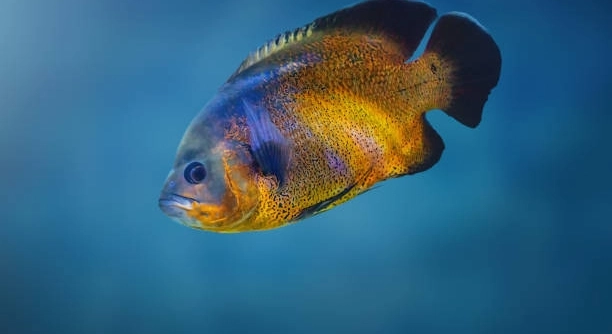
Oscar fish are known for their playful personalities and responsive behavior. However, if yours is not reacting as it once did, it may be due to various reasons. Identifying these causes can help you restore your fish’s activity.
The most common reason why an Oscar fish stops responding is stress, which can stem from poor water quality, incorrect tank mates, or changes in environment. Additionally, illness, old age, or hunger could contribute to this lack of interaction.
Understanding these factors can help you pinpoint the issue and take the necessary steps to improve your Oscar fish’s well-being.
Water Quality and Its Impact on Oscar Fish Behavior
Water quality plays a crucial role in the well-being of Oscar fish. Poor water conditions can lead to stress and health problems, which may cause your Oscar to become unresponsive. Common water quality issues include incorrect pH levels, high ammonia or nitrate concentrations, and inconsistent temperature. These factors can weaken your fish’s immune system, making it more susceptible to diseases. Regular water changes, proper filtration, and water testing are essential steps in maintaining a healthy tank environment. If your Oscar fish is not responding, it’s important to check the water conditions first.
Maintaining the right water parameters, such as pH between 6.5 and 7.5 and temperature between 74°F and 81°F, can help keep your Oscar healthy. If the water is too dirty or imbalanced, it can cause stress and make your fish less active.
Improper water quality can cause not only stress but also physical harm to your Oscar fish. Toxic ammonia and nitrites are particularly harmful and can lead to severe health issues. Stress from poor water conditions may also result in a loss of appetite, making the fish lethargic and unresponsive. Regular water testing and adjustments will help prevent these issues. Keeping the tank clean is crucial for a long, healthy life for your Oscar fish.
Tank Mates and Their Role in Fish Behavior
Oscar fish are territorial and can become stressed if their tank mates are aggressive or overly active. This stress can make them less interactive or more aggressive. Be mindful of the other fish in the tank. If they constantly harass or crowd your Oscar, this may lead to behavioral changes. A peaceful tank environment is essential for your Oscar to thrive.
Oscar fish are best housed with fish that are similarly sized and not overly aggressive. Avoid small fish that may be seen as prey. Instead, opt for larger, non-territorial species that can co-exist peacefully.
Fish that are constantly in your Oscar’s personal space can disrupt its comfort and well-being. Providing adequate space is essential. Oscars need room to move around and establish their territory. If your Oscar fish is not responding, it may be reacting to the stress caused by its tank mates. In some cases, separating aggressive fish can help restore your Oscar’s normal behavior.
Illness and Its Effect on Oscar Fish
If your Oscar fish is sick, it may stop responding or become lethargic. Common illnesses that affect Oscars include bacterial infections, parasites, and fungal diseases. Recognizing the signs of illness, such as fading color, abnormal swimming patterns, or bloating, is important. These symptoms could indicate a serious health issue that needs immediate attention.
Illnesses like fin rot, external parasites, or internal infections can cause your Oscar to become less active. It’s important to isolate sick fish to prevent the spread of disease. Medications or water treatment products are often necessary to treat specific conditions. Keep an eye on your fish and monitor its behavior for any unusual changes.
If your Oscar is not responding, it’s important to check for signs of illness. A lack of movement or loss of appetite often points to an underlying issue. Immediate treatment, such as salt baths or antibiotics, might be needed depending on the disease. Early intervention can help prevent the spread of illness and improve your fish’s chances of recovery.
Age and Its Impact on Oscar Fish Activity
As Oscar fish grow older, they may become less active. Aging Oscars may not swim around as much and could spend more time hiding. The decrease in activity is a natural part of the aging process and usually indicates a slowing metabolism. It’s important to continue providing proper care, but understand that older fish may not engage as frequently as they once did.
Older Oscars may show changes in behavior, like reduced interest in food or lack of interaction with their tank mates. While this is common in aging fish, it’s still essential to monitor their health. Check for any signs of illness, as older fish are more susceptible to disease. If no medical issues are present, the decline in activity may just be a natural aging process.
The slowing down of activity in older Oscars can also be linked to reduced energy levels and changes in their environment. As they age, their need for exercise decreases, and they may become more sedentary. This doesn’t necessarily mean they’re unhealthy, but it’s important to maintain a stable environment. Keeping the tank conditions ideal, such as temperature and water quality, can help ensure that your older Oscar remains as comfortable as possible.
Overfeeding and Its Consequences for Oscar Fish
Overfeeding can be harmful to Oscar fish. Excess food leads to water quality issues, which can stress your fish and cause health problems. Uneaten food breaks down in the tank, raising ammonia levels. This can lead to lethargy and less responsive behavior.
Feeding your Oscar too much can cause them to become overweight, which reduces their activity levels. It’s important to feed them the appropriate amount of food and remove any uneaten portions. Overfeeding can also lead to poor water quality, affecting both your fish’s health and overall tank environment.
Tank Size and Space Limitations
If your Oscar is confined to a small tank, it can become stressed and unresponsive. Oscars need space to swim freely, and cramped conditions can cause a decrease in activity. A tank that’s too small can lead to aggression, poor health, and a lack of responsiveness.
A proper tank size for an Oscar fish is at least 75 gallons for one adult fish. A tank this size will provide enough space for the Oscar to move around and explore. Overcrowding or insufficient space often results in stress, making your Oscar less active and potentially more prone to illness.
Environmental Changes and Stress
Any sudden change in the environment can stress an Oscar. This includes changes in water temperature, tank decorations, or even lighting. Stress from these environmental changes can make your fish less responsive. Maintaining stability in your Oscar’s habitat will help reduce unnecessary stress.
Making sure your Oscar’s environment remains consistent is essential for its well-being. Avoid sudden changes in the water temperature or switching out tank decor too frequently. Keeping the lighting steady and ensuring the water parameters are stable will help your fish stay calm and responsive.
FAQ
Why is my Oscar fish not eating?
If your Oscar fish is not eating, several factors could be at play. Stress, poor water quality, and illness are common reasons for a lack of appetite. If the water parameters are off, such as high ammonia levels or incorrect temperature, your fish may refuse food. Additionally, stress from aggressive tank mates or recent changes in the environment could lead to a loss of appetite. Check your fish’s health for any signs of illness, such as bloating or abnormal behavior. If everything seems fine, try offering different types of food or adjust the water conditions.
Can Oscar fish survive without a filter?
Oscar fish can survive without a filter, but it is not ideal. A filter is crucial for maintaining water quality and providing proper oxygenation. Without a filter, harmful toxins such as ammonia and nitrites can quickly build up in the water, leading to stress and health problems for your fish. If you must go without a filter, you’ll need to perform regular water changes—preferably 25-50% of the tank every week. However, it’s highly recommended to keep a filter for the long-term health of your Oscar.
How often should I feed my Oscar fish?
Oscar fish should be fed once or twice a day, depending on their age and size. Overfeeding can lead to health issues, so it’s important to give them the right amount of food. Typically, feed only as much as your fish can consume in a few minutes. If you’re feeding frozen or live food, make sure it’s properly thawed and free of contaminants. Overfeeding can also cause poor water quality, which can affect your Oscar’s behavior. Monitor your fish’s eating habits to ensure you’re not offering more than they need.
Is it normal for my Oscar fish to hide?
Oscar fish may hide occasionally, but it shouldn’t be a consistent behavior. Hiding can be a sign of stress, illness, or poor water quality. If your Oscar is consistently hiding, check the water parameters and tank conditions. Ensure the temperature, pH, and ammonia levels are within the recommended range. If the environment is stable and the water is clean, hiding might indicate an illness or discomfort with the tank mates. If other signs of stress or illness are present, consult a veterinarian or aquatic specialist.
What size tank do I need for an Oscar fish?
Oscar fish require a large tank to thrive. A minimum tank size of 75 gallons is recommended for a single adult Oscar. The tank should be even larger if you plan to keep multiple Oscars or other fish. Oscars are active swimmers and need space to move around freely. A tank that is too small can lead to stress, poor water quality, and health problems. It’s essential to give them enough space to establish territory and explore their environment.
Can I keep multiple Oscar fish together?
Oscar fish can be kept together, but only under certain conditions. They are territorial and can be aggressive, especially towards other Oscars. If you plan to house more than one Oscar in a tank, it’s best to ensure the tank is large enough (at least 125 gallons for two Oscars) and provide plenty of hiding spots. Monitor their behavior closely, as aggression may occur, particularly if they feel their territory is threatened. If aggression becomes excessive, it may be necessary to separate them to prevent injuries.
What is the lifespan of an Oscar fish?
The average lifespan of an Oscar fish is 10 to 15 years, depending on the care they receive. With proper water conditions, diet, and tank maintenance, Oscars can live a long and healthy life. Ensuring the right environment and addressing any issues promptly can help your Oscar reach its full lifespan. Keep an eye on their health, perform regular water changes, and monitor water quality to help extend their life. Some Oscars may even live beyond 15 years with optimal care.
What should I do if my Oscar fish is scratching against objects?
If your Oscar fish is scratching or rubbing against objects in the tank, it may be suffering from a parasitic infection, such as Ich or velvet. These infections cause irritation, leading the fish to rub against surfaces in an attempt to relieve the discomfort. You should immediately check the water parameters, especially the temperature and pH, as these can contribute to stress. If the problem persists, consider treating your Oscar with anti-parasitic medications or consulting an aquatic veterinarian for further assistance.
Do Oscars need a lot of light?
Oscar fish do not require intense lighting, but they do need a regular light cycle. Providing around 8 to 12 hours of light per day helps maintain a healthy day/night rhythm. Too much light can cause stress, while too little can disrupt their natural behavior. It’s best to use a gentle aquarium light and avoid bright or harsh lighting. If your tank is in a room with natural light, ensure it’s not too bright, as this can lead to algae growth and fluctuating water temperatures.
Can I feed my Oscar fish live food?
Oscar fish can be fed live food, but it’s important to do so carefully. Live food, such as feeder fish or insects, can offer nutritional variety, but it also carries the risk of introducing parasites or diseases into your tank. It’s safer to offer live food from reputable sources, or you can breed feeder fish at home. However, live food should only be a small part of their diet. A balanced diet including pellets, frozen food, and occasional live food is ideal for keeping your Oscar healthy.
Final Thoughts
Oscar fish are fascinating creatures, but their behavior can sometimes leave owners puzzled. If your Oscar isn’t responding like it used to, it could be due to a variety of reasons. Stress, poor water quality, overfeeding, or even health issues can all impact their behavior. It’s important to monitor the water conditions in your tank regularly, ensuring they are within the ideal range for temperature, pH, and ammonia levels. Small changes in the tank environment can have a big effect on your fish, so keeping things stable is key.
In addition to maintaining proper water conditions, feeding your Oscar the right amount of food is crucial. Overfeeding can lead to poor water quality, which can in turn affect your fish’s behavior. Oscars are known to be strong eaters, but it’s important to feed them in moderation. They should be given enough food to eat in a few minutes, and any uneaten food should be removed promptly. By feeding them properly and keeping the tank clean, you can help your Oscar fish stay healthy and active.
If your Oscar continues to show signs of unresponsiveness or behavioral changes despite proper care, it may be worth consulting an expert. Sometimes, health issues can be subtle, and a veterinarian with experience in aquatic animals may be able to help diagnose the problem. Early intervention is important for preventing more serious issues down the road. Keeping a close eye on your fish and being proactive in addressing potential problems is the best way to ensure your Oscar remains a vibrant and active companion for years to come.

Hello,
If you enjoy the content that we create, please consider saying a "Thank You!" by leaving a tip.
Every little bit helps us continue crafting quality advice that supports the health, happiness, and well-being of pets around the world, for pets of all shapes, sizes, and species.
We really appreciate the kindness and support that you show us!