
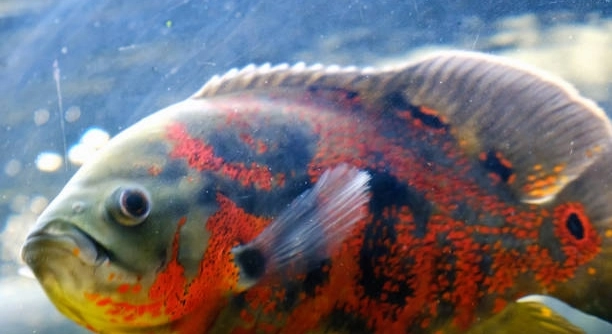
Oscar fish are known for their energetic personalities, but sometimes they may be seen laying at the bottom of the tank. This behavior can be confusing and concerning for fish owners. There are a variety of factors that could contribute to this.
The most common reasons for an Oscar fish laying at the bottom of the tank include stress, illness, poor water conditions, or lack of proper diet. Identifying the root cause is essential for providing appropriate care and ensuring the well-being of the fish.
Understanding these potential causes will help you figure out what might be affecting your Oscar fish and how to address the issue effectively. Keep reading to learn more about how to care for your fish properly.
Poor Water Quality
Oscar fish are very sensitive to water conditions, and poor water quality can easily cause stress. If the water is too dirty or if the temperature is wrong, your fish may act lethargic and spend time at the bottom of the tank. High levels of ammonia or nitrites can be harmful, so it’s important to regularly check the water parameters. If your Oscar fish is not moving much, this could be a sign of water-related issues.
Water changes are essential. Try to change 25-30% of the water in your tank weekly. Using a high-quality filter will help maintain clean water. Make sure to test the water regularly for pH, ammonia, nitrite, and nitrate levels to ensure they are within safe ranges. Proper filtration is also key to keeping the environment stable.
Monitoring the water temperature is another crucial factor. Oscars prefer temperatures between 75-80°F (24-27°C). If the water is too cold or too hot, it can stress your fish. Check the tank’s temperature regularly, especially if the environment changes.
Illness and Injury
If your Oscar fish seems unusually still or stays at the bottom of the tank, it may be sick or injured.
Several illnesses, such as parasites or bacterial infections, can affect the fish’s behavior. Symptoms like loss of appetite, faded colors, or odd swimming patterns may indicate a health problem. If you notice these signs, it’s important to act quickly.
When an Oscar fish is sick, the bottom of the tank can become a hiding place where the fish tries to rest and heal. Infected fish may also be too weak to swim around. To prevent this, quarantine any new fish before introducing them to your tank and monitor their health regularly. Treating the sick fish promptly is vital. You can find medication specific for fish illnesses at pet stores or online.
Stress
Stress is a major factor in why an Oscar fish might lay at the bottom of the tank. Changes in the environment, such as loud noises, sudden tank decorations, or the presence of aggressive tank mates, can make them feel unsafe.
Oscar fish are naturally territorial and may become stressed when placed in cramped or overcrowded tanks. A tank that’s too small for your fish can lead to territorial issues, making the Oscar feel stressed. Also, aggressive fish or those that invade their space will contribute to stress. If you’re adding new fish to the tank, be sure to introduce them gradually to avoid overwhelming your Oscar.
Providing a stable environment, with a good hiding spot, will help reduce stress. Consider using plants or other objects to create territories. It’s also a good idea to keep noise levels low around the tank to avoid causing stress from vibrations.
Improper Diet
An improper diet can also lead to lethargy and bottom-sitting behavior. Oscars require a balanced diet that includes high-quality pellets, live food, and occasional vegetables.
If your Oscar is not eating properly or is being fed low-quality food, it can lead to nutritional deficiencies. This can weaken your fish and cause it to feel sluggish, often leading to it resting at the bottom of the tank. Some Oscar owners feed them only one type of food, which may not provide enough variety in their diet. A diet rich in protein, vitamins, and minerals is essential for their health.
Offering a variety of food, such as worms, shrimp, and occasional vegetables, helps mimic their natural diet. When properly fed, Oscars are more active and less likely to stay inactive at the bottom of the tank. Regularly varying their diet will ensure your fish stays healthy and energized.
Overcrowding
Overcrowding in the tank can lead to Oscars feeling stressed and insecure, which might cause them to sit at the bottom. When too many fish are in a small space, they don’t have room to swim or hide.
Oscars are territorial, and overcrowding can make them feel like their space is constantly threatened. This leads to stress, which lowers their activity levels. The best way to solve this issue is to ensure your tank is large enough for all the fish you plan to keep. A 75-gallon tank is generally recommended for an adult Oscar.
If the tank is too small, fish will have to compete for space and food, which can cause stress and result in your Oscar resting at the bottom.
Poor Tank Setup
A poor tank setup can make your Oscar fish uncomfortable, leading them to spend time at the bottom.
Improper filtration, lack of hiding spots, and sharp objects can all contribute to stress. Oscars need stable conditions to thrive, and if the tank environment is too harsh or too open, they won’t feel secure. Proper filtration is important to keep the water clean and oxygenated, while hiding spots provide the Oscar with a sense of safety.
Making sure the tank setup meets the needs of your Oscar will encourage more active behavior.
Temperature Fluctuations
Oscars are sensitive to temperature changes and can become lethargic if the water fluctuates too much.
Stable temperatures are vital for maintaining the health of your fish. If the water is too cold or too hot, the Oscar will retreat to the bottom of the tank to conserve energy. Make sure to monitor the water temperature closely and keep it within the ideal range of 75-80°F (24-27°C).
FAQ
Why is my Oscar fish swimming upside down?
If your Oscar is swimming upside down, it could indicate a serious health problem, such as swim bladder disorder. This condition affects the fish’s ability to maintain buoyancy and control its movements. Swim bladder issues can arise from constipation, bacterial infections, or stress. Make sure your fish has a proper diet, and if you notice any other symptoms like bloating or difficulty swimming, you may need to adjust their food or consider medication. It’s important to address this early, as swim bladder issues can worsen without treatment.
How often should I feed my Oscar fish?
Feeding frequency for an Oscar should be about once or twice a day, depending on its size and activity level. Overfeeding can lead to health problems, such as obesity or water quality issues. Offer only as much food as your Oscar can consume in 2-3 minutes. It’s better to feed smaller portions more frequently than to offer large amounts in one go. Providing a balanced diet with both dry and live food, such as pellets, shrimp, and worms, will ensure your Oscar gets the nutrients it needs.
Can my Oscar fish live with other fish?
Oscars can live with other fish, but they are aggressive and territorial, especially as they grow. Tank mates should be chosen carefully. Large, sturdy fish that can hold their own are ideal. Avoid smaller fish that may be seen as prey. Other aggressive species, like large catfish or similar-sized cichlids, are generally good options. Be sure to monitor the tank closely after introducing new fish, as Oscars may attack newcomers or try to assert dominance.
How can I tell if my Oscar fish is stressed?
Stress in Oscar fish can show in several ways. Common signs include erratic swimming, hiding at the bottom of the tank, or rubbing against objects. The fish may stop eating or have faded colors. If your Oscar is displaying any of these symptoms, check the water quality, temperature, and tank conditions. Stress can be caused by poor water quality, overcrowding, or incompatible tank mates. Making the environment as stable and comfortable as possible will help reduce stress and improve your fish’s health.
What temperature is best for my Oscar fish?
Oscars thrive in water temperatures between 75°F and 80°F (24°C to 27°C). Temperature fluctuations outside this range can stress the fish and make them more vulnerable to illness. Use a reliable heater to maintain a consistent temperature, especially during colder months. A thermometer in the tank will help you monitor the water’s temperature. Keeping it stable ensures your Oscar fish remains active and healthy.
Why is my Oscar fish not eating?
A lack of appetite in Oscar fish can be caused by a few factors, including stress, illness, or poor water quality. If your Oscar is not eating, first check the water parameters for ammonia, nitrite, and nitrate levels, and make sure the temperature is within the ideal range. Stress from overcrowding, aggressive tank mates, or poor tank conditions can also cause a decrease in appetite. If the fish refuses food for several days, it could be a sign of illness, and you may need to consult a vet or aquarium specialist.
What is the ideal tank size for an Oscar fish?
Oscar fish grow quite large and require ample space to swim. A minimum of a 75-gallon tank is recommended for one adult Oscar, with 100 gallons or more being ideal for two Oscars or if you plan to add other fish. The bigger the tank, the better, as it will give your Oscar plenty of room to establish territory and move around comfortably. A larger tank also helps maintain stable water conditions, which is crucial for the health of your fish.
How can I keep my Oscar fish active?
Keeping your Oscar fish active involves ensuring a proper environment and meeting its needs. A well-maintained tank with clean water, a stable temperature, and proper filtration is the first step. Offer a varied diet, including live and frozen foods, and avoid overfeeding. Providing hiding spots and territories within the tank can reduce stress and encourage natural behaviors. Avoid overcrowding and ensure the tank has adequate space for your Oscar to move freely.
Is it normal for my Oscar fish to chase other fish?
Yes, it is normal for Oscar fish to be territorial and sometimes chase other fish in the tank. Oscars are naturally aggressive, especially as they mature, and may chase smaller or less dominant tank mates. This behavior is usually a sign that your Oscar is asserting its dominance. However, excessive chasing can stress the other fish, so it’s important to monitor interactions and adjust the tank setup if necessary. Providing hiding spaces and plenty of room for each fish can help reduce aggressive behavior.
Can I breed my Oscar fish in my home aquarium?
Breeding Oscars in a home aquarium is possible, but it requires careful preparation. Oscars are cavity breeders, meaning they will lay eggs on flat surfaces like rocks or decorations. To encourage breeding, provide a large, well-maintained tank with stable water conditions, a varied diet, and suitable hiding spots. The pair will often choose a location to lay eggs and guard it fiercely. It’s important to separate the eggs from other fish, as Oscars can be protective and territorial. Breeding can be a challenging but rewarding experience for experienced fishkeepers.
Final Thoughts
If your Oscar fish is laying at the bottom of the tank, it can be concerning. There are several factors that could be causing this behavior, and understanding these factors is crucial to keeping your fish healthy. From poor water quality to stress and even illness, each issue needs to be addressed carefully to help your Oscar fish get back to its normal, active self. The first step is always to ensure the water conditions are ideal. Checking the temperature, pH, ammonia, and nitrate levels can quickly tell you if the tank is the issue. Oscars are sensitive to changes in their environment, so maintaining stable water quality is essential for their well-being.
Stress can also play a significant role in your Oscar’s behavior. Oscars are naturally territorial and can become stressed by overcrowding, loud noises, or the presence of aggressive tank mates. If your Oscar is feeling threatened or uncomfortable in its environment, it may retreat to the bottom of the tank. To reduce stress, make sure your tank is spacious enough and that the water is calm. Adding hiding spots or decorations can also give your Oscar a sense of security. Reducing tank stress is key to ensuring your fish stays active and healthy.
Lastly, diet and illness are important factors to consider. An Oscar with a poor diet may not have enough energy, leading to it resting at the bottom of the tank. Make sure to feed your Oscar a varied diet, including high-quality pellets, live food, and occasional vegetables. If your Oscar’s condition doesn’t improve despite changes to its environment and diet, it might be time to look for signs of illness. A sick Oscar will often exhibit lethargy and other symptoms like faded color or abnormal swimming. In these cases, consulting with a vet or an aquarium expert is necessary to diagnose and treat the problem effectively. By paying close attention to your Oscar’s environment, behavior, and diet, you can ensure it leads a healthy and active life.

Hello,
If you enjoy the content that we create, please consider saying a "Thank You!" by leaving a tip.
Every little bit helps us continue crafting quality advice that supports the health, happiness, and well-being of pets around the world, for pets of all shapes, sizes, and species.
We really appreciate the kindness and support that you show us!