
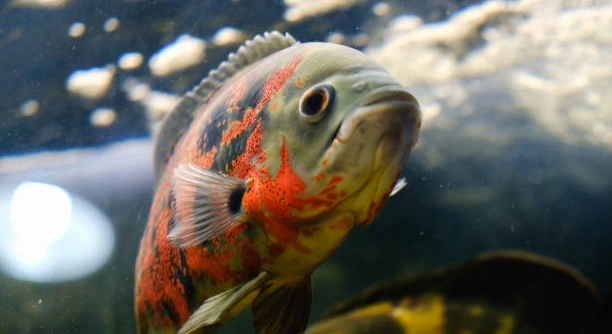
Oscar fish are known for their lively personalities, but if yours suddenly refuses food, it can be a worrying change. Several factors could explain this behavior, from environmental issues to health concerns. Understanding the reasons is important for their well-being.
There are several potential reasons why an Oscar fish might ignore food. Stress, changes in water quality, illness, or even a lack of stimulation could all contribute. A proper evaluation of their environment and health is essential to determine the cause.
By understanding these factors, you can take appropriate steps to help your Oscar fish get back to its usual eating habits and enjoy a healthy life again.
Stress and Environmental Factors
Your Oscar fish can be easily stressed, which might cause it to lose interest in food. Stressors like tank changes, bright lighting, or even the presence of other aggressive fish can make your Oscar uneasy. It’s important to keep the aquarium environment stable. Make sure the water temperature, pH levels, and filtration system are all appropriate for your fish’s needs. Any sudden change can cause stress, leading to a lack of appetite.
Even the smallest fluctuations in water conditions can affect your fish’s behavior. Ensure your tank is free from contaminants and that your fish are not overcrowded. Check if the water is clean and whether the filtration system is functioning properly. The health of your Oscar depends on maintaining these conditions consistently.
Sometimes, it’s not just about the water, but also the tank’s overall environment. Oscar fish are territorial, and a tank that feels cramped or has too many hiding spots could also lead to stress. A tank with plenty of space and hiding areas will help reduce their anxiety.
Illness and Health Issues
If your Oscar fish is ignoring food, it could be a sign of illness. Common illnesses include parasites, infections, or internal problems that may affect their appetite. Keeping an eye on your fish’s behavior, including any signs of lethargy or abnormal swimming patterns, can help identify a health issue.
If illness is suspected, quarantine your Oscar immediately and consult a veterinarian. Treating the issue promptly can prevent further complications. Depending on the diagnosis, your fish may need medication or a special diet to aid in recovery. Always act quickly when you notice signs of illness to give your fish the best chance at recovery.
Feeding Routine and Preferences
Sometimes, Oscar fish simply get bored of eating the same thing over and over. If you’re feeding them only pellets or flakes, they might lose interest. Try offering a variety of foods like live, frozen, or freeze-dried options to see if that makes a difference.
Changing up their meals with high-protein treats like bloodworms, brine shrimp, or pieces of earthworm can spark their appetite. You can also try soaking dry food in garlic juice—some Oscars respond well to the scent and taste. Always remove uneaten food to maintain water quality. Feed in small portions and keep a consistent schedule. Don’t overfeed, especially when trying new items. This helps prevent leftover waste and allows you to better observe their reaction. Notice what they respond to and rotate it into their routine every few days. That way, feeding becomes more interesting for them.
Timing matters too. If the feeding schedule constantly changes, your Oscar may become disoriented or disinterested. Stick to consistent times each day, preferably when the environment is calm and there’s less external noise. Avoid tapping on the glass or creating sudden movements during feeding. Oscars are smart and can associate certain cues with feeding time. Establishing a predictable pattern helps them feel more secure and ready to eat.
Behavioral Changes and Aging
As Oscar fish get older, their appetite might slow down. This can be normal, especially if they are still active and show no other signs of illness. Older fish may also prefer softer foods that are easier to digest, so adjust their diet accordingly.
You might notice your Oscar becoming less active or preferring to rest more often. These changes can affect how often and how much they eat. While it’s important not to panic, regular observation is key. Pay attention to any behavioral shifts that happen alongside their loss of appetite. A healthy but aging Oscar might still be content with fewer, smaller meals. If they ignore food but appear otherwise normal—no clamped fins, no labored breathing, no color changes—it may just be a sign of aging. Still, it’s a good idea to reduce feeding frequency slightly and focus on nutrient-rich options to support their changing needs.
Breeding Behavior or Territorial Mood
Oscar fish can lose their appetite during breeding phases. They may act more territorial, chase other fish, or focus on guarding certain areas of the tank. These shifts in behavior often come with temporary changes in eating habits.
Territorial moods can also appear without breeding. If another fish has invaded their space or there’s been a change in tank layout, they may respond by refusing food. Rearranging decor or adding new fish too quickly can cause stress.
Recent Tank Changes or Moves
Moving your Oscar to a new tank or making big changes to their current one can affect feeding. Even cleaning too thoroughly or switching decorations may disrupt their routine. Give them a few days to adjust. Keep lighting soft and avoid crowding the tank during this period. Feed in small amounts and remove leftovers quickly. The more predictable and calm the setup, the quicker they’ll return to normal. Be patient, avoid handling them, and watch for other signs like hiding or darkened colors that signal stress from the move.
Water Temperature Fluctuations
Oscars need steady water temperatures between 74°F and 81°F. Sudden drops can slow their metabolism and appetite. Use a reliable heater and thermometer to monitor changes and avoid placing the tank near windows or air vents.
FAQ
Why is my Oscar fish hiding and not eating?
Oscars often hide and stop eating when they’re stressed. This could be from poor water quality, a sudden tank change, or the presence of aggressive tank mates. Test the water parameters first—check for ammonia, nitrite, nitrate, pH, and temperature. Oscars are sensitive to changes, especially if ammonia or nitrite levels are too high. Also, look at their environment. Loud noises, bright lighting, or even too much activity around the tank can cause them to retreat and refuse food. Make their surroundings calm, and give them time to feel safe again.
Can Oscars go a few days without eating?
Yes, healthy Oscar fish can go several days without eating, especially if they’re stressed or adjusting to changes. While it’s not ideal, short-term fasting isn’t usually harmful. In fact, it’s better than forcing food into the tank that they won’t eat, which can rot and pollute the water. However, if your Oscar goes more than five to seven days without eating and shows other signs like color loss, labored breathing, or clamped fins, something more serious could be happening. Keep an eye on their behavior and water conditions during this time.
What should I feed a picky Oscar fish?
Try offering a mix of live, frozen, and freeze-dried foods. Many picky Oscars enjoy bloodworms, brine shrimp, or mealworms. You can also try soaking dry pellets in garlic juice to enhance the smell. Variety helps keep them interested, especially if they’ve grown bored of regular pellets. Feed smaller portions so you can quickly remove leftovers, and avoid overfeeding just to tempt them. They may also prefer softer foods if they’re older or dealing with internal issues. Adjusting their diet to their preferences can often restart their appetite.
Do Oscars stop eating when sick?
Yes, one of the first signs of illness in Oscar fish is a loss of appetite. Common issues include internal parasites, bacterial infections, or even constipation. If your Oscar stops eating and also shows signs like stringy white feces, swelling, or visible lesions, they likely need treatment. Quarantine may be necessary in some cases. You can also try feeding medicated food if internal parasites are suspected. Be sure to keep the tank clean and maintain good water quality to avoid additional stress during this time.
How do I know if my Oscar is constipated?
Look for bloating, reduced activity, and a lack of feces or stringy waste trailing from their body. Constipated Oscars often ignore food because they feel full or uncomfortable. You can try feeding them a cooked, skinned pea—this acts as a natural laxative. Don’t feed them for 24 to 48 hours before offering the pea, and avoid feeding high-protein meals for a few days afterward. Also, make sure they’re not swallowing too much air with floating pellets. Sinking food may be a better option.
Can poor lighting affect feeding behavior?
Yes, Oscars prefer a consistent day-and-night cycle. If the lighting is too bright or left on too long, it can disturb their routine. A calm, natural light cycle makes them feel secure. Sudden light changes can make them hide or lose interest in food. Try using a timer for the lights to give them a regular schedule—ideally 10–12 hours of light followed by darkness. Dim lighting during feeding also helps reduce stress, especially if they seem easily startled.
Why won’t my Oscar eat after a water change?
A big water change can shock your Oscar if the new water’s temperature or parameters are too different. Always match temperature closely and treat the water with a dechlorinator. Instead of doing a large change all at once, stick to smaller, regular water changes of 20–30% weekly. After a water change, give them some time to adjust before feeding. They may skip a meal or two but should return to eating once they feel stable again.
Is it normal for a new Oscar not to eat right away?
Yes, new Oscars often take time to settle in and won’t eat during their first few days. The move, new surroundings, and unfamiliar water conditions can stress them out. Keep the tank quiet, avoid tapping the glass, and don’t overcrowd the space with decorations or tank mates right away. Offer food once daily, remove anything they don’t eat, and wait patiently. Most Oscars will start eating again once they feel safe and adapted to their new environment.
Can temperature drops make Oscars ignore food?
Absolutely. Oscars need warm water to stay active and maintain a healthy appetite. If the temperature drops below 74°F, their metabolism slows down, and they may become lethargic or uninterested in food. Always use a dependable heater and thermometer. Avoid sudden changes caused by open windows, cool rooms, or failing heaters. Stable water temperatures between 74°F and 81°F will help keep your Oscar comfortable and feeding normally.
Should I force-feed my Oscar if it keeps ignoring food?
No, never try to force-feed your Oscar. Forcing food can cause more stress and possibly injury. Instead, focus on identifying the root issue—check water quality, look for illness signs, and adjust feeding types or routines. Give them time and space. Most Oscars will begin eating again when they feel secure and healthy. If the issue continues for more than a week, consult a vet who specializes in fish or seek advice from an experienced aquarist.
Final Thoughts
Taking care of an Oscar fish that stops eating can feel frustrating at first, but it often comes down to a few simple issues. Stress, poor water quality, or changes in the environment are the most common reasons they refuse food. These fish are sensitive to what’s going on around them, so it’s important to pay attention to small details. Things like tank size, lighting, noise, and even the type of food all play a role in their behavior. Once the problem is found and handled, Oscars usually go back to eating without much trouble. It just takes some patience and careful observation.
Try not to panic if your Oscar skips a few meals. It’s normal for them to fast once in a while, especially after changes to their tank or routine. Giving them time to adjust is sometimes all they need. Keep testing the water regularly, stick to a feeding schedule, and offer different food types when needed. Avoid overfeeding, and make sure any uneaten food is removed quickly. Keeping things consistent and quiet will help them feel safe. Oscars are smart and can get used to routines, so keeping those routines stable is important to avoid stress.
In the end, feeding issues with Oscars are usually temporary. Once the root cause is fixed, they bounce back well. Always start by checking their surroundings and overall health. Don’t rush to try too many things at once—just take one step at a time. Stick to the basics: clean water, stable temperature, and a calm space. If something feels off, trust your instincts and watch how they behave. Most of the time, a little attention and care can bring your Oscar back to normal feeding. Their behavior will tell you what they need, as long as you’re paying close enough attention.

Hello,
If you enjoy the content that we create, please consider saying a "Thank You!" by leaving a tip.
Every little bit helps us continue crafting quality advice that supports the health, happiness, and well-being of pets around the world, for pets of all shapes, sizes, and species.
We really appreciate the kindness and support that you show us!