
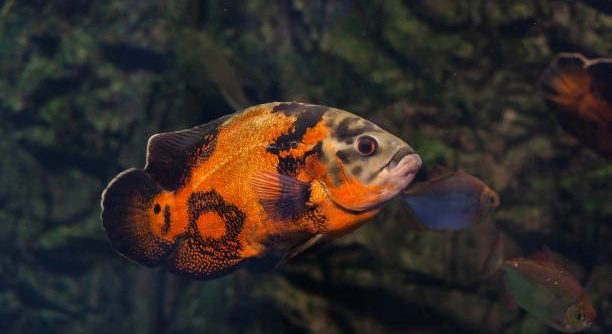
Oscar fish are known for their vibrant colors and active nature, but sometimes, they may float at the top of the tank. This behavior can raise concerns for any fish owner. Understanding the possible causes is essential.
Oscars floating at the top can indicate several issues, including swim bladder problems, water quality issues, or stress. Swim bladder disorders are common in fish and can cause buoyancy problems, while poor water conditions can lead to discomfort and erratic behavior.
Addressing these concerns will help restore balance to your tank and ensure your Oscar fish stays healthy. Proper care and attention can resolve these problems and prevent them from occurring again.
Common Causes of Floating at the Top
Oscar fish may float at the top of the tank for various reasons. One of the most frequent causes is a swim bladder disorder, which can disrupt their buoyancy. This condition makes it difficult for them to control their position in the water. Stress and sudden changes in their environment can also trigger this behavior. A change in water temperature, the introduction of new tankmates, or poor water quality can all lead to floating at the surface. Additionally, if an Oscar fish eats too quickly or consumes too much food, it might experience digestive issues, which can also affect buoyancy.
Swim bladder problems can sometimes be treated by adjusting the fish’s diet or improving tank conditions. Ensuring a stable environment and avoiding overfeeding can prevent further issues. It is crucial to check the water quality regularly to ensure the fish are in optimal conditions. This proactive approach can help your fish feel more comfortable and avoid floating behavior.
By keeping your tank’s environment stable and monitoring their feeding habits, you can ensure a healthier life for your Oscar fish. With proper care, these fish will likely return to their active swimming behavior.
How to Fix the Issue
If your Oscar fish is floating at the top, adjusting their diet and environment might help. Start by testing the water quality for ammonia, nitrites, and pH levels.
Poor water quality can lead to stress, causing the fish to act erratically. High levels of toxins or imbalanced pH can be harmful. Regular water changes and ensuring the filter is working properly will keep the water clean. Additionally, adjust the temperature if necessary, making sure it falls within the appropriate range for Oscar fish. Avoid sudden shifts in temperature to reduce stress.
When feeding your fish, ensure that food portions are appropriate. Overfeeding can lead to digestive issues that impact buoyancy. Offer smaller meals more frequently to avoid overloading their system. A high-quality, balanced diet will also support their overall health and help prevent issues related to their swim bladder. Regular care and maintenance are key to preventing floating behavior.
The Importance of Water Quality
Oscar fish are sensitive to changes in water quality. Poor water conditions can stress them out, leading to unusual behavior, including floating at the top. Regular water testing is essential to check for harmful levels of ammonia, nitrites, and nitrates. Keeping the water clean can greatly reduce health issues.
Dirty water can negatively impact an Oscar fish’s overall well-being. Ammonia and nitrite spikes are common culprits that can harm their health. Perform routine water changes, and ensure your filter is functioning properly. If the water becomes too polluted, it can also cause the fish to float at the top due to stress.
Maintaining good water quality requires monitoring the pH, hardness, and temperature regularly. It’s essential to remove waste, uneaten food, and debris to prevent harmful bacteria build-up. A stable environment not only reduces the chances of floating but also promotes the overall health of your fish. Regular checks are the best way to ensure your Oscar remains active and healthy.
Stress and Its Effects
Stress can be a significant factor when your Oscar fish floats at the top. Fish are highly sensitive to changes in their environment, and stress can result in physical and behavioral changes. Whether it’s from tank mates, water conditions, or sudden changes, stress should never be overlooked.
Oscar fish, like many others, are territorial and can react negatively to new additions or changes in the tank. Overcrowding or incompatible tank mates can cause tension, leading to floating behavior. Additionally, stress from sudden water temperature changes can upset their balance. Stress weakens the immune system, making the fish more vulnerable to diseases and health problems.
To minimize stress, provide plenty of space for your Oscar fish and ensure its tank is properly maintained. Avoid making sudden changes to the environment. Take care when adding new fish, and monitor how they interact with your Oscar to prevent any distress. A less stressful environment leads to healthier and happier fish.
Overfeeding and Its Impact
Overfeeding is another factor that can lead to Oscar fish floating at the top. Too much food in their stomach can lead to digestive problems, which may cause buoyancy issues. It’s important to offer appropriate portions to avoid overloading their system.
Feeding your Oscar fish in small amounts will help prevent overfeeding. A few smaller meals throughout the day will ensure they get the nutrition they need without overwhelming their digestive system. Excess food that isn’t consumed can decay in the tank, causing water quality problems, which further exacerbates the issue of floating.
Monitor their feeding habits and adjust portions based on their size and appetite. Overfeeding may seem harmless, but it can lead to several issues that affect the health and behavior of your Oscar. By offering controlled meals, you can ensure your fish remains healthy and comfortable.
Swim Bladder Disorder
Swim bladder disorders are common among Oscar fish. The swim bladder controls buoyancy, and if it becomes affected, it can lead to floating issues. This disorder can occur due to overfeeding, poor water quality, or physical injury.
The symptoms of swim bladder disorder often include floating at the top, difficulty sinking, or swimming upside down. Treatment typically involves adjusting the fish’s diet, offering them peas or other easy-to-digest foods. In more severe cases, isolating the fish in a separate tank with proper water conditions can help them recover. Monitoring their condition regularly is key.
Water Temperature and Its Role
Water temperature can significantly affect your Oscar fish’s buoyancy. If the tank is too warm or too cold, the fish may begin to float at the top. The ideal temperature range for Oscar fish is between 74°F and 81°F. Keeping this consistent will help maintain their health.
FAQ
Why is my Oscar fish floating at the top of the tank?
Oscar fish may float at the top due to several reasons. Common causes include swim bladder problems, poor water quality, overfeeding, and stress. If the water quality is off, fish might seek air at the surface. If overfed, their digestion can become sluggish, causing buoyancy issues. Stress from tankmates or environmental changes can also lead to floating behavior.
How do I know if my Oscar fish has a swim bladder disorder?
If your Oscar is floating at the top or struggling to swim properly, it may have a swim bladder disorder. Symptoms include floating upside down or being unable to sink. If the issue persists, it’s important to isolate the fish and adjust their diet to help ease digestion, or treat with proper care.
Can overfeeding cause my Oscar fish to float?
Yes, overfeeding can lead to digestive problems, which may result in your Oscar floating at the top. The fish’s stomach can become too full, causing it difficulty in controlling buoyancy. Always feed appropriate amounts and avoid giving food in excess to prevent this issue.
How often should I feed my Oscar fish?
Feed your Oscar fish once or twice a day, depending on its size. Offer small portions to ensure they are not overfed. Oscars tend to eat a lot, but it’s important to avoid overfeeding, as it can lead to health problems, including floating behavior.
What is the ideal water temperature for Oscar fish?
The ideal water temperature for an Oscar fish is between 74°F and 81°F. If the temperature fluctuates too much, it can cause stress and affect their buoyancy. Keeping the water at a consistent temperature will help prevent problems with swimming and floating.
How can I fix poor water quality in my Oscar tank?
To fix poor water quality, test the water regularly for ammonia, nitrites, and nitrates. Perform weekly water changes to keep the tank clean. Make sure the filter is functioning properly and that the water’s pH, hardness, and temperature are within the correct range for Oscar fish.
Can Oscar fish float if they are stressed?
Yes, stress can cause Oscar fish to float at the top of the tank. Stress can be caused by changes in the environment, such as temperature fluctuations or new tankmates. Overcrowding, loud noises, or poor water conditions can also contribute to stress, leading to unusual behavior like floating.
How can I reduce stress for my Oscar fish?
To reduce stress, provide a stable and quiet environment for your Oscar fish. Avoid overcrowding the tank and ensure the fish have enough space. Monitor water quality closely and avoid sudden changes in the tank, such as rapid temperature shifts or adding new fish too quickly.
Are there any specific foods I can give to help my Oscar’s digestion?
Yes, to help digestion, feed your Oscar fish easily digestible foods. Peas, for instance, are a good option for clearing out their digestive system. You can also try high-quality pellets or frozen foods, but avoid overfeeding to prevent digestive problems. Smaller, more frequent meals are better than one large feeding.
How can I treat swim bladder disorder in my Oscar fish?
To treat swim bladder disorder, isolate the affected Oscar in a separate tank with clean, stable water. Adjust the diet by offering easily digestible food, like peas. Sometimes, reducing feeding to allow their digestive system to recover can help. If the condition persists, consider consulting a vet for further guidance.
Can a filter help with Oscar fish floating at the top?
Yes, a good filter can help by maintaining clean water and promoting better water circulation. Poor water quality can lead to stress and buoyancy issues. A filter helps remove waste, excess food, and toxins from the water, ensuring a healthier environment for your Oscar fish.
How can I monitor my Oscar fish’s health?
To monitor your Oscar fish’s health, check for changes in behavior, such as floating at the top, swimming erratically, or hiding more than usual. Observe its eating habits, and ensure the fish is swimming smoothly. Regular water testing and observing the fish’s activity level can give you a good indication of its health.
Can poor water circulation cause floating?
Yes, poor water circulation can contribute to floating. When water does not circulate properly, waste and toxins can build up in certain areas of the tank, causing poor water quality. Ensure your tank has adequate filtration and water movement to keep the environment healthy for your Oscar fish.
What size tank do I need for an Oscar fish?
An Oscar fish requires a large tank to thrive. The minimum recommended tank size is 55 gallons for one Oscar. However, larger tanks are better as Oscars grow quickly and need ample space. A larger tank also helps maintain water quality and reduces stress for the fish.
Is it normal for Oscar fish to float occasionally?
Occasionally, it’s normal for an Oscar fish to float, especially if it is adjusting to a new environment or has eaten a large meal. However, if floating becomes frequent or lasts for extended periods, it may indicate a health issue, such as a swim bladder disorder or poor water quality. Regular monitoring is essential.
Can adding aquarium salt help with floating?
Aquarium salt can help improve water quality and reduce stress in fish, but it will not directly fix floating caused by a swim bladder disorder. If your Oscar’s floating behavior is linked to illness or digestive issues, salt may help with overall health, but specific treatment for the swim bladder disorder is still needed.
How do I know if my Oscar fish is healthy?
A healthy Oscar fish should swim actively, eat well, and have clear, bright eyes and vibrant colors. If your Oscar is floating at the top or showing other signs of distress, it’s essential to check water quality, adjust its diet, and observe for other signs of illness.
Can water hardness affect my Oscar fish?
Yes, water hardness can affect your Oscar fish. Oscars prefer slightly soft to moderately hard water. If the water is too hard or too soft, it can cause stress and impact their overall health, leading to symptoms like floating at the top. Regular testing of water hardness is recommended.
Final Thoughts
Oscar fish are fascinating and resilient creatures, but like all pets, they can face health issues that impact their behavior. Floating at the top of the tank can be a sign of several problems, including poor water quality, overfeeding, or health conditions like swim bladder disorder. Understanding these factors and addressing them appropriately will help ensure your Oscar fish remains healthy and comfortable in its environment.
Maintaining clean water is essential for all fish, especially Oscars, which can be more sensitive to changes in water quality. Regular water changes and monitoring the filtration system are key to keeping the tank environment stable. Additionally, being mindful of your Oscar’s diet and feeding habits will prevent overfeeding, which can contribute to digestive problems and floating. Smaller, more frequent meals are often better for their health and well-being.
Ultimately, keeping an eye on your Oscar fish’s behavior and making adjustments as needed will help prevent floating issues. Consistency in water care, feeding, and monitoring their overall health is crucial. If the floating behavior persists despite taking these steps, it may be necessary to seek professional advice from an aquatic veterinarian. By being proactive, you can ensure your Oscar fish has a long, happy, and healthy life.

Hello,
If you enjoy the content that we create, please consider saying a "Thank You!" by leaving a tip.
Every little bit helps us continue crafting quality advice that supports the health, happiness, and well-being of pets around the world, for pets of all shapes, sizes, and species.
We really appreciate the kindness and support that you show us!