
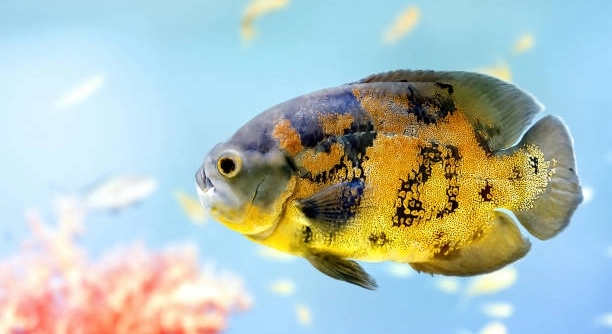
Oscar fish are known for their vibrant personalities and unique behavior, but sometimes, you may notice them flicking their bodies. This odd behavior can be concerning for fish owners, especially when it seems unusual.
Oscars flick their bodies for various reasons, including irritation, stress, or health issues such as parasites or skin problems. The flicking motion can be a response to discomfort, signaling a need for attention or changes in their environment.
Understanding the cause of your Oscar’s flicking will help you address the problem effectively. Identifying potential triggers early on is key to ensuring your fish remains happy and healthy in its tank environment.
Possible Causes of Flicking in Oscar Fish
Oscar fish may flick their bodies due to several reasons. Stress and poor water quality are two common causes. When the tank’s conditions are not ideal, Oscars may become agitated, leading to unusual behaviors like flicking. Sometimes, the flicking could be a sign of a skin or gill infection. Parasites can also trigger this response, as they irritate the fish’s skin. Another possible cause is the presence of sharp objects or decorations in the tank that could scratch the fish, leading to discomfort.
Water temperature fluctuations might also play a role in this behavior, causing your Oscar to flick to adjust. Poor water circulation, where areas of low oxygen are present, can make the fish feel uneasy. If your Oscar is showing signs of flicking, it’s important to carefully check these factors in the tank to identify and correct the issue.
Oscar fish are sensitive creatures. It’s essential to maintain clean, stable water conditions and make sure your tank is properly set up to prevent any physical or environmental stress.
How Stress Affects Oscars
Stress is one of the main triggers for body flicking in Oscar fish.
A stressed Oscar may flick its body as a way to express its discomfort. The fish might also display other signs like hiding, loss of appetite, or unusual swimming patterns. Stressors such as sudden changes in water parameters or overcrowding in the tank should be addressed quickly to prevent further issues.
Stress weakens the immune system of the fish, making it more susceptible to infections. If the flicking behavior continues, it may develop into a more serious problem like skin lesions or fungal growth. A stressed fish can also be more aggressive or start interacting negatively with tank mates. Therefore, identifying and reducing stressors in the aquarium setup is crucial.
In addition to stress, Oscar fish may also flick if they are being bothered by other fish or feel territorial. Aggression between tank mates can lead to anxiety and cause your Oscar to display flicking behavior as a response.
Water Quality Issues and Their Impact on Flicking
Oscar fish are particularly sensitive to water quality. Poor water conditions can cause irritation, leading to body flicking. High levels of ammonia, nitrites, or nitrates can harm their skin, causing discomfort. Dirty water also affects their gills, making it harder to breathe. To avoid this, it’s essential to regularly check the water’s pH, hardness, and temperature.
Water quality is a direct reflection of how healthy your fish will be. If the tank water is not regularly cleaned, it can accumulate harmful toxins that irritate your Oscar. Even minor changes in water temperature or levels can stress the fish, triggering behavior like flicking. A good filtration system and frequent water changes are necessary to maintain healthy conditions.
Oscars are more likely to exhibit body flicking when they are exposed to poor water conditions for an extended period. The irritation caused by these conditions can lead to further health problems. Ensuring stable and clean water is the first step in making sure your Oscar fish thrives in its environment.
Signs of Parasites
Parasites are another common cause of body flicking. External parasites, such as Ich or velvet, can cause severe irritation to your Oscar fish. These parasites can attach to the skin or gills, causing discomfort and triggering flicking movements as the fish attempts to get rid of them.
If parasites are the cause of flicking, you may notice other signs like white spots on the body (for Ich) or a dusty appearance (for velvet). The fish may also become more lethargic or refuse to eat. If you suspect a parasitic infection, it’s important to isolate the affected fish and start treatment immediately.
Treating the tank with appropriate medications can help eliminate the parasites. Be sure to follow the instructions carefully to avoid harming the fish or the tank environment. Regularly cleaning the tank and maintaining proper water conditions can help prevent future outbreaks.
Tank Environment and Decor
The tank environment plays a crucial role in the behavior of your Oscar fish. Sharp decorations or rough surfaces can cause irritation, leading to body flicking. It’s essential to check if there are any items that could potentially scratch or harm your Oscar.
If your tank has decorations with sharp edges, your Oscar may rub against them in an attempt to relieve irritation, causing flicking. Smooth surfaces are preferable to avoid damage to the fish’s skin. Make sure the tank is well-decorated but free from harmful objects. Properly placing plants and decorations can help reduce the risk of injury.
Creating a comfortable environment is key to your Oscar’s overall well-being. Removing any potential hazards and ensuring there is enough space to swim freely will help reduce flicking behavior. Keep the tank clean, with no rough surfaces or sharp objects.
Overcrowding in the Tank
Overcrowding can cause stress and discomfort for your Oscar, often resulting in body flicking. When Oscars feel crowded, they may become more aggressive or anxious, which triggers flicking as a sign of distress.
The number of fish in the tank directly affects the health of each one. If your tank is too small or packed with too many fish, Oscars may experience stress from limited space. This can lead to not only flicking but other behaviors like hiding or aggression towards tank mates. Proper stocking is essential for a peaceful aquarium.
Making sure your tank is not overcrowded will help reduce stress and allow your Oscar fish to thrive.
Treatment for Skin and Gills Infections
If flicking is caused by skin or gill infections, proper treatment is necessary. The infection may be bacterial or fungal and can worsen without attention. Using the right medication for your Oscar is important to ensure quick recovery.
You should isolate the infected fish to prevent the spread of infection to other tank mates. For skin infections, antibacterial or antifungal treatments can be added to the tank. Make sure to follow the dosage instructions carefully. Treating the water and providing a stress-free environment will help your Oscar heal faster. Regular monitoring is key to ensuring the infection is under control.
FAQ
Why is my Oscar fish flicking its body?
Oscar fish may flick their body for several reasons, most commonly due to irritation or discomfort. Flicking is often a sign of skin or gill issues, stress, or environmental factors. Poor water quality, parasites, or sharp decorations could also trigger this behavior. In some cases, flicking can indicate an infection. If your Oscar has been flicking for an extended period, it’s important to address these possible causes and ensure the fish’s tank is healthy and comfortable. Keep an eye on any other signs of illness like changes in behavior, appetite loss, or visible spots on the skin.
How can I tell if my Oscar has a parasite?
Parasites like Ich or velvet are common in Oscar fish and can cause body flicking. Look for signs such as white spots on the skin or fins (Ich) or a dusty appearance (velvet). Your fish may also appear lethargic or have difficulty breathing. If parasites are suspected, treat the tank with the appropriate medication. Be sure to quarantine the affected fish to prevent the spread of the parasite to other tank mates. Early detection and treatment are crucial to avoid a serious outbreak.
What should I do if my Oscar’s flicking is caused by stress?
Stress is a significant factor in body flicking. To reduce stress, ensure that your Oscar has a clean and stable environment. Check the water quality and temperature regularly, as fluctuations can cause discomfort. If you have multiple fish, ensure the tank isn’t overcrowded and that tank mates aren’t causing aggression. Providing enough hiding spots and plants can also help your Oscar feel secure. Reducing stress can often stop the flicking behavior and improve the overall health of your fish.
Can poor water quality make my Oscar flick?
Yes, poor water quality is one of the main reasons Oscars may flick their bodies. High levels of ammonia, nitrites, or nitrates in the water can irritate their skin and gills, causing discomfort. Regular water changes and proper filtration are essential in keeping your Oscar healthy. Testing the water regularly will help you identify any harmful imbalances and correct them before they cause any issues. If your fish is flicking, check the water parameters and ensure they are within the ideal range for Oscars to prevent any further problems.
How do I fix the flicking if it’s caused by a skin infection?
If your Oscar’s flicking is due to a skin infection, it’s important to treat the issue promptly. The infection could be bacterial, fungal, or caused by parasites. You can treat the water with the correct medications based on the type of infection. If you’re unsure, consult a professional for the right treatment. Isolate the infected fish to avoid spreading the infection. Along with medication, improving water quality and reducing stress can aid in the recovery process. Ensuring your Oscar has enough space to swim and remains free from further irritants will also speed up healing.
Could sharp decorations cause my Oscar to flick its body?
Yes, sharp decorations in the tank can cause your Oscar to flick its body. If your fish is rubbing against objects in the tank, it could be trying to relieve irritation caused by scratching. Check the tank for any rough or sharp-edged items, and consider replacing them with smoother decorations. The fish may also flick if it’s trying to dislodge debris or particles that have become stuck in its skin. Keeping the tank clean and ensuring the decorations are safe will help prevent this issue.
Is it safe to treat Oscar fish for flicking with over-the-counter medications?
Over-the-counter medications can be helpful in treating body flicking caused by infections or parasites, but it’s important to choose the right one based on the symptoms. Always follow the dosage instructions carefully and avoid overdosing, as this could harm your fish. Before treating your Oscar, try to identify the cause of the flicking, as unnecessary medication may not be effective and can harm the fish. If you’re unsure which treatment to use, consult a veterinarian or fish expert for advice to ensure you are using the correct product.
How often should I clean my Oscar’s tank to prevent flicking?
Cleaning your Oscar’s tank regularly is essential in preventing body flicking. Perform partial water changes every 1-2 weeks, depending on the size of the tank. This helps maintain the water quality and removes excess waste or toxins. Clean the filter regularly and remove any debris or uneaten food to prevent ammonia buildup. A clean tank reduces stress and irritation, which can cause your Oscar to flick. Keeping the tank clean also helps prevent infections and parasites from taking hold in the first place.
Can overcrowding lead to Oscar fish flicking?
Yes, overcrowding can lead to stress, which is a common cause of flicking behavior. Oscars need ample space to swim and establish their territory. When the tank is overcrowded, the fish may feel threatened, leading to anxiety and flicking. If there are too many tank mates, they may also cause aggressive interactions, further increasing stress. Make sure your tank is the right size for the number of fish you have and avoid adding too many tank mates. Properly managing the tank population will reduce stress and help prevent flicking.
How do I know if my Oscar is flicking due to an injury?
Injuries can also lead to flicking behavior if your Oscar has accidentally scraped its body or fins against sharp objects in the tank. If your fish has visible wounds, bruising, or torn fins, the flicking is likely an attempt to ease the discomfort. Check the decorations and tank setup to ensure there are no sharp edges that could cause injury. Providing a stress-free environment and improving water quality will also support healing. If the injury doesn’t improve or becomes infected, consult a veterinarian for advice on treatment.
Final Thoughts
Oscar fish are beautiful, lively creatures, but like all pets, they can show signs of stress or discomfort. Flicking their bodies is a common behavior that can signal various issues, from poor water quality to possible infections or parasites. As a pet owner, it’s important to understand what could be causing this behavior and take action quickly. Identifying the problem early on will not only make your Oscar feel better, but it will also improve its overall health and well-being in the long term.
Maintaining a clean and healthy tank is essential for keeping your Oscar fish happy. Regular water changes, proper filtration, and monitoring of water parameters like pH, ammonia, and nitrate levels are all key factors in preventing issues. Be sure to also pay attention to your fish’s behavior and any changes, such as flicking. This could help you catch any potential health concerns early, whether it’s a skin infection, parasites, or environmental stress. Creating a stable, stress-free environment can make a significant difference in how your Oscar behaves.
If you’re unable to resolve the flicking on your own, don’t hesitate to seek professional advice. Veterinarians who specialize in fish health can help diagnose the problem and suggest the right treatment. Sometimes, the issue may be complex, and a professional can offer a solution you might not have considered. In the end, taking good care of your Oscar fish and making sure they are comfortable in their environment will ensure they stay healthy and happy for years to come.

Hello,
If you enjoy the content that we create, please consider saying a "Thank You!" by leaving a tip.
Every little bit helps us continue crafting quality advice that supports the health, happiness, and well-being of pets around the world, for pets of all shapes, sizes, and species.
We really appreciate the kindness and support that you show us!