
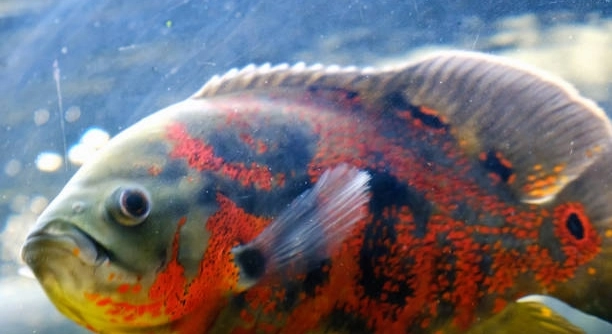
Oscar fish are beautiful and fascinating creatures, but their behavior can sometimes be puzzling. One common concern among owners is when their Oscar fish starts flashing on objects in the tank.
Flashing behavior in Oscar fish is typically a sign of irritation or discomfort, often caused by parasites, skin irritation, or poor water quality. The fish rubs against objects to alleviate these issues, signaling a potential health concern.
Addressing the cause of flashing is important to maintain your fish’s well-being. In the following sections, we will explore potential reasons for this behavior and ways to ensure your Oscar fish stays healthy.
Understanding Flashing Behavior
Flashing behavior in Oscar fish can be a sign that something is off in their environment. When these fish start rubbing against objects, rocks, or tank decorations, it’s typically a response to irritation. This can happen for several reasons, such as an imbalance in the water or external parasites irritating their skin. It’s important to recognize flashing as a potential warning sign. While it might seem harmless, ignoring it can lead to more serious health issues, especially if the cause is a parasitic infection or poor water quality.
Flashing is not always caused by a major issue. In some cases, Oscar fish may rub against objects simply to scratch an itch or relieve minor discomfort. However, continuous flashing is a sign that further investigation is needed.
If your Oscar fish displays frequent flashing, it’s crucial to check water conditions. Poor water quality, including high ammonia levels, low oxygen, or incorrect pH, is a common trigger. Proper tank maintenance can help eliminate this issue, ensuring a comfortable environment for your fish.
Identifying Possible Causes of Flashing
Water quality is one of the most common reasons Oscar fish flash. A sudden change in temperature, oxygen levels, or pH can stress the fish, leading to rubbing behavior. High levels of ammonia or nitrites are particularly harmful. These toxins can irritate the fish’s skin, causing it to rub against objects for relief. Maintaining a stable environment by regularly testing and adjusting water parameters is key to preventing flashing.
Another major cause of flashing in Oscar fish is skin parasites. These tiny organisms can attach to the fish’s skin, gills, or fins, causing itching and discomfort. The fish’s instinct is to scratch against tank decorations to dislodge these parasites. Common parasites include Ich and velvet. Treatment often requires adding medications specifically designed to target these parasites while also improving water quality to promote recovery.
Poor Water Quality and Its Impact
Oscar fish are sensitive to changes in water quality. Elevated levels of toxins like ammonia, nitrites, and nitrates can irritate their skin, leading to flashing behavior. Regular water changes and proper filtration are essential to maintaining a healthy environment for your fish.
When water quality is compromised, it can cause more than just flashing. Poor water conditions stress the fish, lowering their immune system and making them more susceptible to infections. Monitoring the tank’s ammonia, nitrite, and nitrate levels ensures that the water is safe and free from harmful chemicals. Always test the water regularly to spot any issues early.
Oscars also require stable water temperature and pH levels. Fluctuations in temperature or pH can cause stress, resulting in flashing behavior. Ensure that your aquarium’s temperature stays within the recommended range, and invest in a reliable heater and water stabilizer to maintain consistent conditions.
Skin Parasites and External Irritations
Parasites like Ich and velvet are common causes of flashing behavior. These organisms attach to the skin of your Oscar fish, leading to itching and discomfort. When the fish rubs against objects in the tank, it’s trying to dislodge the parasites.
The most noticeable symptom of parasitic infestations is flashing. Oscars may scrape their bodies on rocks, gravel, or other decorations to get relief. If left untreated, parasites can spread rapidly and cause further damage to the fish’s skin and gills. It is essential to act quickly if parasites are suspected.
Treatment for skin parasites involves the use of medicated baths or chemicals designed for the specific parasite. Quarantining affected fish can also prevent the spread of parasites to other tank inhabitants. Regular tank maintenance and careful monitoring of the fish’s behavior can help in identifying and treating skin parasites promptly.
Stress and Its Effect on Oscars
Stress is another common cause of flashing in Oscar fish. Changes in their environment, like adding new tank mates or rearranging decorations, can make them feel threatened. This behavior can become frequent if the fish feels uncomfortable.
Oscars are territorial fish, and any perceived threat can lead to stress. When stressed, they often rub against objects as a way to alleviate discomfort. To minimize stress, maintain a consistent environment and avoid frequent changes that could unsettle the fish. Keeping the tank calm and peaceful will help reduce unnecessary stress.
Tank Mates and Compatibility
Tank mates can play a significant role in Oscar fish behavior. If there are aggressive or incompatible species in the tank, your Oscar may feel threatened, leading to flashing. It’s important to research which fish are compatible with Oscars to avoid stress and territorial disputes.
Choosing peaceful or similarly sized fish for your Oscar tank can minimize conflicts. Territorial aggression is common in Oscar fish, and having tank mates that respect each other’s space can prevent your Oscar from flashing due to anxiety. Always monitor interactions closely and adjust the tank setup as needed.
FAQ
Why is my Oscar fish rubbing against the glass?
Rubbing against the glass can indicate that your Oscar fish is feeling irritated or stressed. This could be due to poor water quality, skin parasites, or physical discomfort. It’s important to check the water parameters, such as ammonia, nitrite, and pH levels. If the water is clear, consider checking for external parasites like Ich, which may cause itching. Rubbing against the glass could also be a response to environmental stressors, such as tank changes or aggression from tank mates.
What should I do if my Oscar fish is flashing a lot?
If your Oscar is flashing frequently, it’s a sign that something is wrong. First, check the water quality to ensure it is within the appropriate range for your fish. Perform water changes if necessary and check for any parasites or skin irritations. If parasites are suspected, using a medicated bath or chemical treatment can help eliminate them. Reducing stress in the tank environment is also crucial, so ensure that the fish has enough space and that tank mates are compatible.
Can poor water quality cause Oscar fish to flash?
Yes, poor water quality is one of the most common causes of flashing. High ammonia or nitrite levels can irritate the skin of your Oscar fish, leading it to rub against objects in the tank. It’s essential to maintain a regular cleaning routine, perform frequent water changes, and ensure proper filtration. Keeping the water clean and stable will help keep your Oscar fish healthy and prevent flashing caused by water quality issues.
How can I treat skin parasites in my Oscar fish?
To treat skin parasites, you’ll need to use a medication designed to target the specific parasite affecting your Oscar fish. Common treatments for parasites like Ich or velvet include copper-based medications or formalin baths. It’s also important to quarantine infected fish to prevent the spread of parasites to other tank inhabitants. Regularly monitor your fish’s behavior, and if symptoms persist, consult an aquatic veterinarian for further advice.
Could my Oscar fish be flashing because of its tank mates?
Yes, if your Oscar fish feels threatened by its tank mates, it may display flashing behavior. Oscars are territorial, and aggression from other fish can cause stress. If this is the case, consider re-evaluating your tank setup. You may need to remove overly aggressive tank mates or rearrange the decorations to create more space for your Oscar. Ensuring that tank mates are compatible with Oscars is crucial to reducing stress and preventing flashing.
How often should I perform water changes to prevent flashing?
To prevent flashing, perform water changes at least once a week, or more frequently if necessary, especially if you have a high fish load. This helps maintain a clean and stable environment for your Oscar. During water changes, test the water for ammonia, nitrite, and nitrate levels to ensure that they are within safe ranges. Regular water changes will help reduce the likelihood of flashing caused by poor water quality or excess waste buildup.
Can flashing behavior be a sign of stress in my Oscar fish?
Yes, flashing behavior is often a sign of stress in Oscar fish. Stress can arise from various factors, including poor water quality, aggression from tank mates, or sudden changes in the environment. Stress weakens the fish’s immune system, making it more vulnerable to infections and parasites. It’s important to identify and address the stressors in your tank, such as adjusting the water quality or adding peaceful tank mates.
What are the most common parasites that cause flashing in Oscar fish?
The most common parasites that cause flashing in Oscar fish include Ich (white spot disease) and velvet. Ich is a protozoan parasite that causes small white spots on the fish’s skin, leading to irritation and itching. Velvet, caused by a different protozoan, results in a gold dust-like appearance on the fish and causes discomfort. Both parasites require specific treatments, such as copper-based medications, formalin baths, or raising the tank temperature to accelerate the parasite’s life cycle.
Can flashing be caused by an injury?
Flashing can sometimes be caused by an injury. If your Oscar has recently been in a fight or scraped itself against a sharp object, the fish may rub against surfaces to alleviate the pain. In this case, the flashing should subside once the injury heals. Keep an eye on the injured area to ensure it is healing properly and not becoming infected. If the flashing persists or worsens, it may be due to a more serious underlying issue, such as infection or parasites.
How do I know if my Oscar has a skin infection?
If your Oscar fish has a skin infection, you may notice signs such as discoloration, lesions, sores, or excessive slime. Infected areas may appear swollen or inflamed. If the infection is severe, your fish may also exhibit lethargy or loss of appetite. To treat a skin infection, you can use antibiotics or antifungal treatments. However, it’s important to first identify whether the infection is caused by bacteria, fungi, or parasites, as different treatments are required for each type.
Is flashing behavior in Oscar fish ever normal?
Occasional flashing behavior may occur in Oscar fish, especially if they are adjusting to a new environment or experiencing minor irritation. However, frequent or persistent flashing is a sign that something is wrong and should be addressed. If flashing behavior continues for more than a few days, it’s essential to check the water quality, assess the tank’s inhabitants, and look for signs of parasites or other issues. Ignoring this behavior can lead to more serious health problems for your fish.
Final Thoughts
Oscar fish flashing on objects is a behavior that often signals an underlying issue, and it is essential to pay attention to these signs. Whether caused by poor water quality, parasites, stress, or tank mate compatibility, this behavior is a call for action. If your Oscar is flashing, it’s important to first rule out common issues such as water quality. Monitoring ammonia, nitrite, and nitrate levels, as well as maintaining a consistent temperature, can go a long way in preventing such behavior. Regular water changes and a reliable filtration system are essential for a healthy aquarium environment.
In addition to water quality, flashing can sometimes be attributed to parasites like Ich or velvet. These skin parasites irritate the fish and cause them to rub against objects to relieve discomfort. Identifying and treating these parasites early can help avoid further harm to your fish. Using medicated treatments or quarantining affected fish is a necessary step to ensure the well-being of your Oscar. However, it’s also important to remember that flashing could be due to external stressors. Changes in the tank’s layout or introducing new tank mates can unsettle your Oscar and lead to behavioral changes.
Lastly, the overall health of your Oscar relies on minimizing stress and promoting a stable and peaceful environment. Understanding your fish’s behavior and addressing any issues promptly is key to ensuring their long-term well-being. If flashing continues despite addressing water quality, potential parasites, and stress, it may be worthwhile to consult an aquatic vet for a more thorough diagnosis. Proper care, patience, and regular maintenance will keep your Oscar fish healthy and thriving for years to come.

Hello,
If you enjoy the content that we create, please consider saying a "Thank You!" by leaving a tip.
Every little bit helps us continue crafting quality advice that supports the health, happiness, and well-being of pets around the world, for pets of all shapes, sizes, and species.
We really appreciate the kindness and support that you show us!