
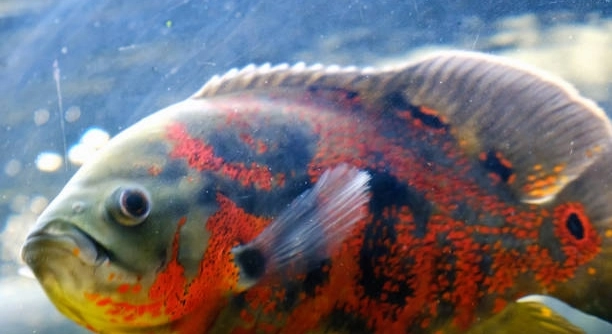
Oscar fish are known for their fascinating behavior, and one such action is the flaring of their gills. If you’ve noticed this happening repeatedly, it could be a sign of something significant in their environment or health.
Flaring gills in Oscar fish is often a sign of territorial aggression, stress, or a response to other fish. It’s a natural behavior that can indicate the need for more space, a shift in water conditions, or an emotional trigger.
Understanding the causes of this behavior will help you identify what may be affecting your Oscar fish. Addressing the issue early can lead to a healthier, more comfortable environment for your fish.
Common Causes of Oscar Fish Flaring Their Gills
Oscar fish flare their gills for a variety of reasons, most commonly due to stress, aggression, or environmental changes. If there is another fish in the tank, the Oscar may display this behavior to show dominance or defend its territory. It could also happen if the tank feels overcrowded or if there are abrupt changes in water quality or temperature. Stress can also arise from sudden movements or loud noises around the tank. In these situations, the flaring is an attempt to ward off perceived threats.
Inadequate tank size is another common reason for gill flaring. When an Oscar feels cramped, it may act aggressively.
Ensuring that the tank has enough space for the fish to swim freely can help reduce this behavior. A large, well-maintained tank with minimal disturbances is key to keeping Oscars calm and healthy.
Stress and Aggression from Other Fish
Aggression between Oscar fish and other tank mates is another leading cause of gill flaring. Oscars are territorial and can become very defensive, especially when there are competing fish in the tank. This aggressive behavior can be triggered by the presence of other species or even other Oscars. The best solution is to provide a spacious tank with enough room for all fish to maintain their space.
When selecting tank mates for your Oscar, consider species that are not too small, as Oscars may see them as potential food. Having similar-sized, non-aggressive fish can help reduce the likelihood of territorial disputes.
Providing your Oscar with appropriate tank mates and ample space can create a more harmonious environment. Flaring should subside once the fish feel their territory is secure.
Tank Conditions and Water Quality
Poor water quality is a major factor in Oscar fish stress and gill flaring. Oscars are sensitive to water changes, and fluctuations in temperature, pH, and ammonia levels can cause discomfort. Regular water changes and filtration are essential for maintaining a healthy environment.
Ammonia buildup from fish waste or uneaten food can lead to stress. Oscars may react to this by flaring their gills in an attempt to signal distress. Maintaining clean water helps keep Oscars calm, reducing aggression and territorial behavior.
Oscars prefer stable water conditions, ideally between 75°F and 80°F. Keeping an eye on water quality is crucial for their well-being. If problems persist, water testing kits can help monitor pH, ammonia, and nitrite levels.
Tank Size and Space
Oscar fish grow quite large and need plenty of space to thrive. If the tank is too small, they may feel crowded, leading to stress and gill flaring. It’s important to provide them with enough room to swim freely.
A tank of at least 55 gallons is recommended for a single Oscar fish. This allows the fish to establish its territory without feeling threatened by the surroundings. Overcrowding can lead to continuous stress, aggression, and even physical harm.
The more space you offer, the less likely your Oscar will flare its gills due to territorial behavior. A spacious tank also gives you the opportunity to include suitable tank mates, creating a healthier environment overall.
Tank Lighting and Disturbances
Improper lighting can lead to stress in Oscar fish. Bright lights that are too intense or lights that are on for too long can make Oscars feel uncomfortable, causing them to flare their gills. It’s best to use moderate lighting for a consistent, natural day-night cycle.
Oscars are also sensitive to sudden changes in lighting or the presence of bright lights. Keeping the tank in a calm, low-light area can help reduce stress. This will allow your Oscar to feel secure in its environment, ultimately minimizing aggressive behaviors like gill flaring.
Overfeeding and Uneaten Food
Overfeeding can contribute to gill flaring in Oscar fish. When too much food is added, it can decompose in the water, raising ammonia levels and creating poor water quality. This leads to stress and potential health issues for your fish.
To prevent this, only feed your Oscar the amount it can consume within a few minutes. This not only keeps the water clean but also reduces the chance of gill flaring. Regularly remove any uneaten food to maintain water quality and prevent overcrowding in the tank.
Temperature Changes
Oscars are sensitive to rapid changes in water temperature, and even small fluctuations can cause them stress. A sudden drop or increase in temperature can lead to physical discomfort, making the fish flare its gills. Keeping the water temperature stable is crucial.
Investing in a reliable aquarium heater and thermometer ensures that the temperature remains within the ideal range for your Oscar. This stability helps prevent unnecessary stress and keeps your fish comfortable. If temperature swings continue, it could lead to more serious health problems for your Oscar.
FAQ
Why is my Oscar fish flaring its gills at other fish?
Oscar fish are territorial by nature. If another fish enters their perceived space, they may flare their gills to show aggression or dominance. This is a natural behavior and serves as a warning to other fish. To reduce this, ensure your tank is large enough for the Oscar to establish its own territory. If tank mates are present, choose species that can coexist peacefully with Oscars to prevent constant aggression.
Is gill flaring a sign of illness in my Oscar?
While gill flaring can be a sign of aggression or stress, it can also indicate discomfort or a health issue. If your Oscar’s gill flaring is accompanied by other symptoms, such as lethargy, discoloration, or abnormal swimming behavior, it might be ill. Poor water quality, parasites, or infections could be causing the stress. A water test and a closer examination of the fish are necessary to rule out health problems.
Can water quality affect my Oscar’s behavior?
Yes, poor water quality can cause Oscar fish to become stressed, leading to behaviors like gill flaring. High ammonia, nitrites, or a poor pH balance can irritate your fish, making them feel threatened or uncomfortable. Regular water changes, filtration, and testing for toxins are essential for keeping your fish healthy. Clean water not only reduces stress but also prevents potential diseases.
How can I tell if my Oscar is stressed or just being aggressive?
Distinguishing between aggression and stress in Oscar fish can be tricky, but several factors can help. If the flaring occurs when other fish approach or invade the Oscar’s territory, it’s likely aggression. If the flaring happens when the fish is alone, it may indicate stress due to poor water quality, tank disturbances, or inadequate space. Watching for other signs of distress, like erratic swimming or hiding, can also help identify stress.
What tank size is best for my Oscar fish?
Oscar fish grow large and require ample space. A tank size of at least 55 gallons is recommended for one Oscar. This provides enough space for the fish to swim freely and helps reduce territorial aggression. For each additional Oscar, increase the tank size by at least 30 gallons to prevent overcrowding. A spacious tank reduces stress and aggression and allows your Oscar to live more comfortably.
How can I reduce gill flaring in my Oscar fish?
To reduce gill flaring, focus on eliminating the factors that could be causing stress. Ensure your Oscar has enough space to swim freely, especially if you have multiple fish. Maintain a stable environment with proper water quality, temperature, and lighting. Providing proper tank mates and keeping the tank free from disturbances will also help calm your Oscar.
Is it normal for Oscars to flare their gills at their reflection?
Yes, it’s normal for Oscars to flare their gills when they see their reflection in the tank glass. This is a response to the perceived threat, as they view their reflection as another fish. To prevent this, use tank dividers or background decorations that block the reflection. You could also reduce the lighting around the tank to minimize reflections, allowing your Oscar to feel more at ease.
Do Oscars get along with other fish?
Oscars can live peacefully with other fish, but they tend to be territorial and aggressive, especially if other fish are smaller or more passive. It’s important to choose tank mates that are similarly sized and have compatible temperaments. Large, non-aggressive fish like plecos or large cichlids can be good tank mates for an Oscar. However, smaller fish or those that are too similar in appearance to the Oscar may become targets of aggression.
What temperature should I keep my Oscar tank at?
Oscars thrive in water temperatures between 75°F and 80°F. This range mimics their natural habitat and helps keep them active and healthy. Fluctuations outside this range can cause stress and make your Oscar more susceptible to diseases. A stable temperature is crucial for maintaining a peaceful and healthy environment for your fish.
Can overfeeding cause gill flaring in Oscar fish?
Yes, overfeeding can lead to poor water quality, which may stress your Oscar and result in gill flaring. When too much food is left uneaten, it decomposes and raises ammonia levels in the water. This creates an unhealthy environment for your fish, which can trigger aggression or discomfort. Feed your Oscar only what it can consume in a few minutes, and remove any uneaten food promptly to maintain water quality.
Should I separate my Oscar if it’s constantly flaring its gills?
If your Oscar is constantly flaring its gills, it’s important to first identify the cause. If it’s due to territorial aggression toward other fish, separating the aggressor may be necessary, especially in an overcrowded tank. However, if the issue is stress or poor water conditions, improving the tank setup might be enough to resolve the problem. Always ensure that the tank is large enough for your Oscar and that water quality is well-maintained.
How do I know if my Oscar fish is feeling threatened?
Oscar fish may display a variety of signs when feeling threatened. In addition to flaring their gills, they may swim rapidly, chase other fish, or hide. If an Oscar feels cornered, it may also attempt to break out of the tank or show more aggression. Pay attention to their overall behavior and ensure there are no immediate threats or disruptions in their environment.
Final Thoughts
Oscar fish are fascinating creatures with distinct personalities and behaviors. Understanding why your Oscar flares its gills can help you create a more peaceful environment for both your fish and other tank inhabitants. While occasional gill flaring is normal, continuous or excessive flaring can indicate stress or discomfort, which requires attention. It’s essential to pay close attention to your Oscar’s environment, as things like water quality, tank size, temperature, and tank mates all play a significant role in its well-being.
To reduce stress, ensure your Oscar has a proper-sized tank with ample space to establish its territory. Overcrowding can lead to constant aggression and territorial disputes. Keeping the tank clean with regular water changes and maintaining an ideal temperature range will also prevent unwanted behaviors like gill flaring. If your Oscar continues to flare its gills despite maintaining a suitable environment, it’s a good idea to assess the other factors, such as the presence of other fish, lighting, or disturbances in the tank.
By understanding the causes of gill flaring and making necessary adjustments, you can improve your Oscar’s overall health and happiness. A calm, stable environment allows your Oscar to thrive and minimizes aggressive or stressed behaviors. Monitoring your fish’s behavior and responding quickly to signs of distress is key. With the right care, your Oscar fish can live a long, healthy life, free from unnecessary stress.

Hello,
If you enjoy the content that we create, please consider saying a "Thank You!" by leaving a tip.
Every little bit helps us continue crafting quality advice that supports the health, happiness, and well-being of pets around the world, for pets of all shapes, sizes, and species.
We really appreciate the kindness and support that you show us!