
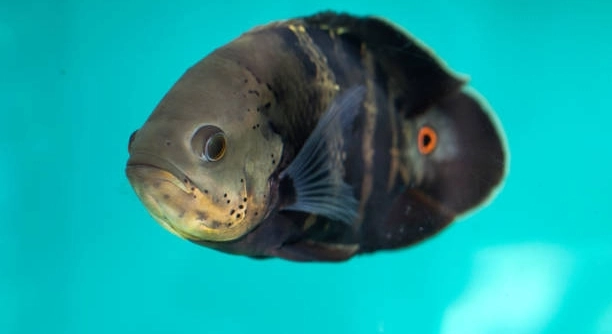
Oscar fish are known for their unique behaviors, and one of the most puzzling actions is when they constantly flash or dart around their tank. Understanding the reason behind this behavior can help improve their well-being.
Flashing in Oscar fish is often a sign of stress, irritation, or an underlying health issue. This behavior may be linked to poor water quality, the presence of parasites, or even physical injury. Proper tank conditions are essential for their health.
Identifying the cause of the flashing can help you address the issue and ensure your Oscar fish stays healthy and comfortable in its environment.
Possible Causes of Flashing Behavior in Oscar Fish
Flashing in Oscar fish is commonly caused by water quality issues. If the tank is not properly maintained, poor water conditions can lead to stress, triggering the fish to swim erratically or rub against surfaces. It is important to regularly test the water for ammonia, nitrite, nitrate, and pH levels. Any abnormalities in these levels can irritate the fish, causing them to flash. Additionally, changes in the water temperature or sudden shifts in the tank environment can also create discomfort, leading to this behavior. Ensuring a stable and clean environment will help reduce stress for your Oscar fish.
Water changes are essential in maintaining proper water quality. It’s recommended to change about 25% of the water weekly. This will help reduce toxins and ensure your fish remain healthy.
If water conditions are consistently maintained, other factors like injury or parasite infestations might be the cause. Rubbing against objects could indicate a wound or discomfort from something external, requiring closer inspection. Regularly monitoring your fish for physical signs is crucial.
Parasites and Infections in Oscar Fish
Flashing could also be a sign of a parasite infection. External parasites, such as Ich or gill flukes, can irritate the fish’s skin and gills. These parasites cause discomfort, prompting the fish to rub against objects to try to relieve the irritation. It is essential to closely examine your Oscar fish for any visible signs of parasites, such as white spots on the body or excessive mucus around the gills. In severe cases, parasites can affect the fish’s ability to breathe properly, leading to more distress.
If parasites are detected, it’s important to treat your tank with the appropriate medication. Follow the instructions carefully to avoid harming your fish. Quarantining any affected fish can also prevent the spread of infection to others in the tank. Monitoring the fish for improvement after treatment will help confirm whether the parasites are fully eliminated.
The presence of parasites is one of the main reasons why Oscar fish will flash frequently. Infections can worsen if not treated promptly, leading to further health complications. If you suspect a parasite issue, it’s best to act quickly to resolve the problem.
Tank Mates and Aggression
Oscar fish are known to be territorial, and their flashing behavior may stem from aggression toward tank mates. If other fish invade their space, Oscars may feel threatened and respond by darting or flashing around the tank. This behavior is often seen when other fish swim too close to their territory or challenge their dominance. Ensuring enough space and hiding spots for all fish in the tank can help reduce stress and conflict.
Aggressive behavior can escalate quickly, especially if an Oscar feels its space is being invaded. Adding plenty of decorations, plants, and caves for fish to hide can help establish clear territories. Additionally, choosing compatible tank mates is essential for reducing aggression. Fish that can hold their own and aren’t overly aggressive will allow Oscars to feel secure.
If aggression persists, separating the aggressive Oscar from the others may be necessary. In cases where they are constantly harassing other fish, providing a separate tank for the Oscar could be the best solution. Managing aggression and ensuring proper tank setup will help keep your fish calm.
Stress from Improper Tank Conditions
Flashing can be a response to stress from poor tank conditions. Inadequate filtration, overcrowded tanks, or unstable water parameters can all contribute to this behavior. Oscars, like all fish, are sensitive to changes in their environment, and stress can lead to erratic movements. Overcrowding especially limits the space your Oscar has to move, making them feel cornered.
Maintaining a clean tank and ensuring proper filtration will help keep your Oscar fish calm. A filter system that suits the tank size and removes waste effectively is essential for long-term health. Overcrowding can also create additional stress by limiting each fish’s space. Keeping the fish population within the tank’s capacity will help maintain a stress-free environment.
In addition to physical space, stability is crucial for Oscars. Rapid changes in temperature, lighting, or water chemistry can trigger stress and result in flashing. It’s important to gradually adjust any changes in the tank to avoid shocking the fish. Regular checks and a routine maintenance schedule will help create a more stable environment for your Oscar fish.
Water Temperature Fluctuations
Oscar fish are sensitive to temperature changes. Rapid fluctuations in water temperature can cause stress and lead to flashing behavior. They prefer a stable environment with temperatures between 74°F and 81°F. Sudden drops or spikes can disturb their natural rhythm, causing discomfort.
Using a reliable aquarium heater will help maintain a consistent temperature. Additionally, placing the tank away from drafty areas or direct sunlight will prevent temperature shifts. A stable water temperature supports their overall well-being and reduces stress-related behaviors, such as flashing. Monitoring the tank’s temperature regularly ensures it remains within the ideal range.
Physical Injury or Trauma
Flashing may also be caused by injury or trauma. If your Oscar fish has been nipped, scraped, or is suffering from a wound, they might swim erratically to avoid pain. It’s important to inspect the fish for any visible signs of injury or abnormal growths.
In cases of injury, water quality plays a critical role in healing. Make sure the tank remains clean to avoid infections that could complicate recovery. Also, consider reducing stress by providing the fish with a calmer environment, ensuring there are enough hiding spots for it to rest.
Parasites Revisited
If parasites remain a concern, additional treatment may be needed. External parasites like Ich or gill flukes can cause extreme irritation, and initial treatments may not always be effective. When symptoms persist, it’s important to consult a specialist. Correctly identifying the specific parasite is key to choosing the right medication.
FAQ
Why is my Oscar fish constantly rubbing against objects?
Oscar fish often rub against objects in the tank due to irritation caused by parasites or poor water conditions. External parasites like Ich or gill flukes irritate the fish’s skin, causing them to scrape or flash against surfaces in an attempt to relieve the discomfort. Another reason for this behavior could be physical injury or wounds, which might also cause them to rub or dart around to avoid pain. It’s essential to monitor the water quality and temperature and look for any visible signs of parasites or injuries. Regular water changes and proper filtration are key to preventing and resolving these issues.
Is flashing in Oscar fish a sign of disease?
Yes, flashing can be a sign of disease, especially when associated with parasites. Diseases such as Ich or external fungal infections often cause Oscar fish to display erratic behavior, including rubbing or flashing against tank surfaces. Other possible causes include internal parasites, bacterial infections, or stress-induced behaviors from poor water quality. If the flashing is persistent, a thorough inspection of the fish’s body and fins is necessary to check for signs of infection or parasites. Consulting with a veterinarian or aquatic specialist for proper diagnosis and treatment is highly recommended.
How can I stop my Oscar fish from flashing?
To stop flashing, first ensure the water quality in your tank is optimal. Poor water conditions are one of the main reasons Oscars will flash. Perform regular water changes, test the water for ammonia, nitrate, nitrite, and pH levels, and make sure the tank has a proper filtration system. If parasites are suspected, treat the tank with the appropriate medication for external parasites, following the instructions carefully. Providing a stress-free environment, including ample hiding spaces and compatible tank mates, can also help reduce flashing. Monitoring your fish closely for any signs of injury or disease is important for early intervention.
Can poor water quality cause flashing in Oscar fish?
Yes, poor water quality is one of the primary causes of flashing in Oscar fish. Ammonia spikes, high nitrite levels, or incorrect pH can all irritate the fish’s skin and gills, leading to abnormal swimming behavior like flashing. Overcrowding in the tank can also increase stress, which may contribute to flashing. Ensuring that the tank is well-maintained, with regular water changes and proper filtration, will help maintain stable water conditions. Regular testing of the water parameters will allow you to make adjustments as needed to keep your Oscar fish healthy.
Can flashing be a sign of aggression?
Flashing can sometimes be a sign of aggression in Oscar fish, particularly when they feel threatened by tank mates. Oscars are territorial by nature and may flash or swim erratically if other fish invade their space. This behavior is more common if the fish is in an overcrowded tank or if there are incompatible species present. Providing adequate space, hiding spots, and compatible tank mates can reduce aggressive behaviors. Additionally, ensuring each fish has its own territory and room to swim will help minimize stress and aggression.
What should I do if my Oscar fish is flashing and has white spots?
If your Oscar fish is flashing and has white spots on its body, it is likely suffering from Ich, a common parasitic infection. Ich is characterized by small, white cysts on the skin, fins, and gills of the fish. If this is the case, you should begin treatment with a medication specifically designed for Ich. Increase the water temperature to speed up the life cycle of the parasite, but ensure that the temperature does not exceed the safe range for your Oscar fish (74°F to 81°F). Treat the tank for at least one week, even if symptoms begin to subside, to ensure the parasites are completely eradicated.
How do I know if my Oscar fish is stressed?
Oscar fish exhibit various signs of stress, including flashing, erratic swimming, hiding, loss of appetite, or clamped fins. Stress can be caused by poor water quality, overcrowding, sudden temperature changes, or incompatible tank mates. If your fish is constantly hiding or swimming in circles, it could be a sign of stress. You should check the water conditions and ensure the tank is not overcrowded. Reducing noise and handling around the tank can also help decrease stress. Proper tank setup with hiding spaces and compatible tank mates will provide your Oscar fish with a more comfortable environment.
Is flashing related to water temperature?
Yes, flashing can be related to water temperature, as Oscar fish are sensitive to temperature fluctuations. Rapid changes in temperature or water that is too hot or cold can stress your fish, leading to flashing or erratic swimming. Oscars prefer a stable water temperature between 74°F and 81°F. If the water temperature fluctuates beyond this range, your Oscar may become stressed. To prevent this, use a reliable aquarium heater to maintain a consistent temperature. Also, avoid placing the tank near windows or vents where temperature changes can occur quickly.
Can flashing in Oscar fish be a sign of a skin infection?
Flashing can sometimes indicate a skin infection, especially if combined with other symptoms like redness, swelling, or sores. Skin infections can be caused by poor water quality, injury, or parasites. Bacterial infections, in particular, can cause lesions or ulcers on the skin, making the fish more prone to irritation. If you suspect an infection, inspect your Oscar fish closely for any visible signs of injury or abnormal skin conditions. Treatment with the appropriate antibiotics or antifungal medication may be necessary. Keeping the tank clean and maintaining water quality will help prevent skin infections.
What is the best way to treat flashing caused by parasites?
The best way to treat flashing caused by parasites is to identify the type of parasite affecting your Oscar fish. For parasites like Ich, you should use a medication specifically designed to target that parasite. Follow the instructions carefully and treat the entire tank to ensure that all infected fish are treated. Increasing the water temperature within the safe range can help speed up the life cycle of the parasite, allowing the treatment to be more effective. Quarantining any infected fish can help prevent the spread of parasites to other tank mates. Regular water changes and maintaining proper filtration are essential during the treatment process.
Final Thoughts
Flashing in Oscar fish is a behavior that can stem from various factors, including poor water quality, parasites, injury, or stress. Identifying the cause of the flashing is key to addressing the issue. If the behavior is persistent, it’s important to check the water parameters, as poor water conditions are one of the most common reasons for stress in Oscar fish. Regular water changes, proper filtration, and maintaining a stable temperature can help create a healthier environment for the fish, preventing the need for excessive flashing.
In cases where flashing is caused by parasites, such as Ich, treating the tank with the appropriate medication can often resolve the issue. Be sure to follow the treatment instructions closely and monitor the fish for signs of improvement. Additionally, isolating any infected fish in a quarantine tank can help prevent the spread of the parasite to other tank mates. It’s also important to maintain a stress-free environment for your Oscar fish by avoiding overcrowding, providing hiding spots, and ensuring they have compatible tank mates.
By understanding the causes behind flashing, Oscar fish owners can take steps to improve the health and well-being of their fish. Regular maintenance, proper care, and close observation will go a long way in preventing flashing behaviors from becoming a recurring issue. Keeping the tank clean, providing a balanced diet, and monitoring the overall health of the fish are essential to ensuring a long and healthy life for your Oscar fish.

Hello,
If you enjoy the content that we create, please consider saying a "Thank You!" by leaving a tip.
Every little bit helps us continue crafting quality advice that supports the health, happiness, and well-being of pets around the world, for pets of all shapes, sizes, and species.
We really appreciate the kindness and support that you show us!