
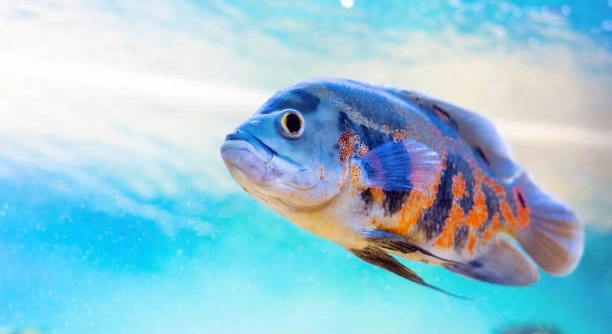
Oscar fish are known for their vibrant personalities, but when they begin breathing rapidly, it can cause concern for their owners. Understanding the potential causes is important to ensure their health and well-being.
Rapid breathing in Oscar fish is often a sign of stress, water quality issues, or a health problem such as an infection. Poor oxygen levels or an overcrowded tank can also contribute to this behavior, affecting their breathing patterns.
Addressing these concerns promptly will help improve your fish’s condition and prevent further complications in the future.
Common Causes of Rapid Breathing in Oscar Fish
Rapid breathing in Oscar fish can be triggered by several environmental factors. Poor water quality is one of the most common reasons. High levels of ammonia, nitrites, or low oxygen can cause fish to struggle to breathe, leading to rapid gill movements. A tank with overcrowded fish can worsen the issue, as limited space and resources increase stress levels. It’s important to regularly test the water to ensure that these elements are within a safe range. Additionally, Oscar fish are highly sensitive to temperature changes. Fluctuating water temperatures can stress them out, prompting faster breathing. The presence of other aggressive fish or sudden disturbances may also contribute to heightened stress.
Maintaining a stable, clean, and well-maintained tank is essential for the health of your Oscar fish. Regular water changes, proper filtration, and avoiding overcrowding will help prevent rapid breathing caused by water quality issues.
One less obvious cause of rapid breathing is a health issue such as a parasitic infection or gill damage. These problems can interfere with the fish’s ability to efficiently exchange oxygen, leading to labored breathing. If the breathing persists despite water quality improvements, it’s essential to check for any signs of infection. Regularly inspecting your fish for unusual behavior, skin lesions, or lethargy can help you spot health problems early. If you’re unsure, consulting a veterinarian specializing in aquatic species is always a good idea.
How to Improve Your Oscar Fish’s Environment
The first step is testing the water for ammonia, nitrites, nitrates, and pH levels. Water changes should be done regularly, especially if you notice the levels are too high. Invest in a reliable filtration system to help maintain clean water. A good filtration system can handle waste from the fish and reduce the need for frequent water changes. Ensure the tank is the correct size for your fish and any other tank mates. Overcrowding not only stresses the fish but also compromises water quality, creating an unhealthy environment.
Oscar fish thrive in warm water, typically between 74°F and 81°F (23°C to 27°C). Keep the temperature stable and avoid sudden fluctuations, as these can stress the fish and affect their breathing. Investing in a quality aquarium heater with a thermometer can help maintain a consistent temperature.
Adding plants or rocks to the tank can provide your Oscar fish with hiding spots and create a less stressful environment. Avoid sharp decorations that could harm the fish. Always ensure that the setup reflects the needs of your Oscar fish for both health and comfort.
Checking for Signs of Stress or Illness
Oscar fish often breathe rapidly when stressed or sick. Stress may result from improper tank conditions, including overcrowding or sudden changes in the water. Illness, such as parasites or gill infections, can also lead to rapid breathing. If your Oscar continues to breathe heavily despite good water conditions, it’s time to inspect them for other signs of distress.
Observe the fish closely for abnormal behavior. Look for signs such as lethargy, loss of appetite, or unusual swimming patterns. Examine the gills for redness or excess mucus, which may indicate infection. Any change in behavior, such as rubbing against objects or erratic movement, should not be ignored. If these symptoms persist, it’s time for an immediate water change and a trip to the vet if needed.
Often, stress and illness can go hand in hand. Poor water quality or aggression from tank mates may lower the fish’s immunity, leaving them vulnerable to infections. If your Oscar fish is constantly exposed to stress, it’s harder for them to fight off diseases. Maintaining a stable, healthy environment will boost their resistance to illness, reducing the chances of rapid breathing caused by infections. Make sure to offer a calm and consistent environment for your fish.
Improving Oxygen Flow in Your Tank
Poor oxygen levels in the tank can lead to rapid breathing. Ensure your filtration system is effective and able to circulate water properly. A powerful filter and air pump will help maintain a steady oxygen level in the tank. Also, check the tank for dead spots where water may not flow efficiently, as stagnant water can lack oxygen.
Consider adding aquarium plants to boost oxygen levels naturally. Plants produce oxygen during the day and absorb carbon dioxide at night, balancing the water’s oxygen content. Additionally, make sure your Oscar fish’s tank is not overcrowded. When too many fish share a space, the oxygen levels can quickly decrease. By balancing the number of fish in the tank, you can ensure that each one receives enough oxygen for healthy breathing.
Lastly, observe the water temperature. Water that’s too warm will hold less oxygen. Keeping the tank at a stable, appropriate temperature for your Oscar fish is essential for both comfort and proper oxygenation. Investing in a reliable heater can help prevent any temperature fluctuations that could affect the oxygen levels and the overall health of your fish.
Dealing with Poor Water Quality
Poor water quality is one of the main reasons for rapid breathing in Oscar fish. Ammonia, nitrites, or high nitrate levels can cause significant stress, affecting their gill function. Regularly testing the water ensures these levels stay in a safe range for your fish’s health.
Inadequate filtration worsens the problem by allowing waste and toxins to build up. A strong filtration system helps keep the water clean and clear. Make sure to replace filter media as needed and perform routine water changes to maintain optimal water quality for your Oscar fish.
The Importance of Tank Size
Tank size is crucial for maintaining healthy Oscar fish. They grow large and require ample space to thrive. A 75-gallon tank or larger is recommended for a single Oscar fish. A cramped tank increases stress and limits their ability to swim comfortably, contributing to rapid breathing.
The larger the tank, the more stable the water conditions. A bigger tank allows for better filtration and easier maintenance. It also provides more oxygen and minimizes overcrowding, reducing the chances of stress-related breathing issues. Investing in a larger tank can vastly improve the health of your Oscar fish.
Temperature and Its Effect on Breathing
Oscar fish are sensitive to temperature changes. If the water is too warm or too cold, it can cause stress and rapid breathing. Keeping the water temperature stable between 74°F and 81°F is essential. Fluctuating temperatures increase the stress on your fish, making breathing more labored.
Use a reliable aquarium heater and thermometer to maintain a consistent temperature. Avoid placing the tank near heaters or windows where sudden temperature shifts can occur. Keeping the water temperature within the ideal range ensures your fish stay healthy and comfortable, helping reduce excessive breathing.
FAQ
What are the signs of rapid breathing in Oscar fish?
Rapid breathing in Oscar fish is often noticeable by quick and frequent movements of the gills. You may see them struggling to get enough air, or they might swim near the surface. If this happens continuously, it’s a clear sign they are having difficulty breathing.
What causes Oscar fish to breathe rapidly?
Oscar fish may breathe rapidly due to poor water quality, low oxygen levels, stress, or illness. Water issues like ammonia, nitrites, and high nitrates can all affect breathing. Environmental stressors, such as sudden changes in water temperature or overcrowding, also lead to rapid breathing.
Can rapid breathing be a sign of a health issue?
Yes, rapid breathing can be a sign of health issues, such as infections or gill damage. Parasitic infections, bacterial infections, or physical injuries affecting the gills can lead to breathing difficulties. If rapid breathing persists, it’s important to check for other symptoms of illness, like lethargy or loss of appetite.
How can I improve oxygen levels in my tank?
To improve oxygen levels, ensure your tank has an efficient filtration system and an air pump. Regular water changes are also crucial, as they help refresh the water and prevent oxygen depletion. Adding live plants to the tank can naturally increase oxygen during the day.
What water parameters should I check for my Oscar fish?
Ammonia, nitrites, nitrates, and pH levels should all be monitored regularly. Oscar fish thrive in a pH range between 6.5 and 7.5. Ammonia and nitrites should be at 0 ppm, while nitrates should stay below 20 ppm for optimal health. Test the water regularly to avoid any sudden changes.
Can temperature fluctuations cause rapid breathing in Oscar fish?
Yes, sudden changes in temperature can cause stress and lead to rapid breathing. Oscar fish are sensitive to temperature shifts, so it’s important to maintain a stable water temperature between 74°F and 81°F. Avoid placing the tank near heat sources or in drafty areas.
Is overcrowding a problem for Oscar fish?
Yes, overcrowding increases stress levels in Oscar fish, leading to rapid breathing. It also worsens water quality and reduces the available oxygen. Ensure you have enough space in your tank for your Oscar to swim comfortably. A 75-gallon tank is ideal for a single Oscar fish.
Can stress from tank mates cause rapid breathing?
Aggressive tank mates or constant disturbances can stress your Oscar fish, causing them to breathe more rapidly. It’s important to choose compatible tank mates and avoid placing overly aggressive fish in the same tank. Providing hiding spots can help reduce stress.
How can I tell if my Oscar fish is stressed?
Signs of stress in Oscar fish include rapid breathing, erratic swimming, hiding, loss of appetite, and rubbing against objects in the tank. If your fish displays these behaviors, check the water conditions, tank setup, and tank mates to determine the cause.
What should I do if my Oscar fish continues to breathe rapidly?
If rapid breathing persists despite good water conditions, check for signs of illness, such as abnormal skin color, lesions, or unusual swimming behavior. You may need to consult a vet who specializes in fish health. Immediate action can prevent further complications.
Can I treat a sick Oscar fish with medication?
If you notice signs of illness, such as lesions, faded colors, or difficulty breathing, medication may be necessary. Always use medications specifically designed for aquarium fish and follow the dosage instructions carefully. Consult with an aquatic veterinarian before using any medication to ensure it is appropriate.
How often should I change the water in my Oscar fish tank?
Water changes should be done regularly to maintain a healthy environment for your Oscar fish. A 25% water change every 1-2 weeks is recommended for a tank with good filtration. If the tank is overstocked or has high ammonia levels, more frequent water changes may be needed.
Can live plants help reduce rapid breathing in Oscar fish?
Yes, live plants can help maintain healthy water conditions by absorbing carbon dioxide and releasing oxygen. This natural process improves oxygen levels in the tank, which can help alleviate rapid breathing caused by low oxygen. Ensure the plants are suitable for your tank size and lighting conditions.
Are there any natural remedies for rapid breathing in Oscar fish?
While improving water quality and reducing stress are key, there are no direct natural remedies for rapid breathing. The best course of action is to maintain a stable tank environment with proper filtration, temperature control, and water changes. If illness is suspected, consult a veterinarian.
What’s the best way to handle rapid breathing caused by poor water quality?
If rapid breathing is caused by poor water quality, start by testing the water for ammonia, nitrites, and nitrates. Perform a water change and improve filtration. Make sure the tank has proper aeration, and remove any waste or uneaten food that could be affecting the water.
Can rapid breathing be a sign that my Oscar fish is about to die?
Rapid breathing alone is not necessarily a death sentence for your Oscar fish. However, if left untreated, it can be a sign of a serious issue. Addressing poor water quality, stress, or illness as soon as possible can help prevent further complications and improve their chances of recovery.
How can I tell if my Oscar fish has an infection?
Look for signs such as lesions, swollen gills, unusual swimming behavior, or changes in skin color. Infections may also cause a loss of appetite, lethargy, and visible damage to the gills or fins. If you notice these signs, consult a veterinarian for treatment options.
What should I do if my Oscar fish stops eating?
If your Oscar fish stops eating, it could be a sign of stress, illness, or poor water quality. Check the tank conditions and make sure the water is clean and the temperature is stable. If the problem persists, consider seeking professional help to address any potential health issues.
Can temperature changes affect Oscar fish’s appetite?
Yes, sudden temperature changes can reduce your Oscar fish’s appetite and cause stress. It’s important to maintain a consistent water temperature within the ideal range of 74°F to 81°F. Extreme fluctuations can lead to a lack of appetite and other health problems.
Final Thoughts
Understanding why your Oscar fish is breathing rapidly is key to maintaining their health. Rapid breathing can often be attributed to water quality issues, stress, or temperature fluctuations. Keeping the tank clean and maintaining stable water conditions will help minimize these problems. Regular water changes and proper filtration are essential. Monitoring ammonia, nitrite, and nitrate levels ensures that the water stays within the safe range for your fish. A strong filtration system will also help improve oxygen levels, which is important for the overall health of your Oscar fish.
Stress is another major factor that can cause rapid breathing in Oscar fish. This stress can come from various sources, such as poor tank mates, overcrowding, or sudden environmental changes. It’s important to ensure that your Oscar has enough space to swim and that tank mates are compatible. Providing hiding spots can also help reduce stress levels. Remember that Oscar fish are territorial and can become agitated if they feel threatened. Maintaining a calm and stable environment will go a long way in preventing rapid breathing caused by stress.
Temperature control is crucial when caring for your Oscar fish. These fish thrive in stable water temperatures between 74°F and 81°F. Sudden temperature fluctuations can cause significant stress and lead to rapid breathing. Using a reliable aquarium heater and thermometer to monitor the temperature can help prevent these fluctuations. Make sure to avoid placing the tank near heaters, windows, or air conditioners where temperature changes are common. Keeping the environment consistent will help ensure your Oscar fish remains healthy and reduce any respiratory distress.

Hello,
If you enjoy the content that we create, please consider saying a "Thank You!" by leaving a tip.
Every little bit helps us continue crafting quality advice that supports the health, happiness, and well-being of pets around the world, for pets of all shapes, sizes, and species.
We really appreciate the kindness and support that you show us!