
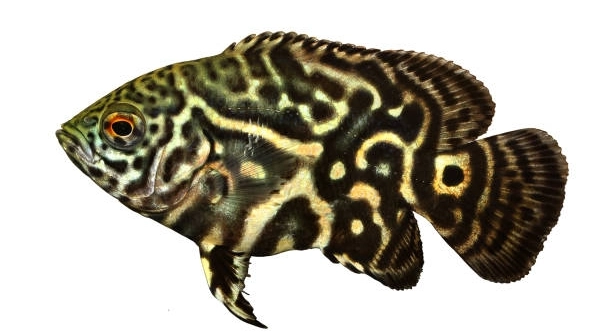
Is your Oscar fish spending more time in the corners of its tank, backing in quietly instead of swimming freely around? This behavior can be confusing, especially when everything else seems normal in your aquarium setup.
Oscar fish may back into corners due to stress, illness, poor water conditions, or changes in their environment. This behavior is often a sign of discomfort or insecurity, and it should not be ignored or dismissed.
Recognizing these subtle changes early can help improve your Oscar’s health and restore its usual active behavior in the tank.
Common Reasons Behind Corner-Backing Behavior
Oscar fish often react to stress by backing into corners. This can happen when there are sudden changes in their environment, such as fluctuations in water temperature, pH imbalance, or the introduction of new tank mates. Loud noises or frequent movement outside the tank may also contribute to this behavior. Health issues like internal parasites or infections can make them feel vulnerable, leading them to seek shelter. If your Oscar is not eating well, showing clamped fins, or displaying dull colors, illness may be a factor. Another possibility is territorial stress. Oscars are naturally territorial and can feel threatened by other fish, even if there’s no direct aggression. Watching for signs of dominance, fin nipping, or hovering near one section of the tank can provide clues. Insecure or sparse tank setups without enough hiding spots might also encourage your Oscar to find a corner as a safe retreat.
Look closely at your tank setup, water quality, and any recent changes that may have triggered this behavior.
Understanding why your Oscar is acting differently helps you address the cause quickly and make your fish feel comfortable again.
How to Respond and Support Your Oscar
Start by checking your water parameters to make sure everything is within the ideal range for Oscars.
If ammonia or nitrate levels are too high, this can cause irritation and distress, leading to abnormal behavior. Perform a partial water change and test your water regularly using reliable kits. Make sure the water temperature remains stable between 74°F and 81°F. Add hiding spots like driftwood, rocks, or large plants to reduce stress. Avoid overcrowding the tank, and monitor interactions between tank mates. If your Oscar is being harassed or feels cornered, consider moving or rehoming the other fish. Keep external disturbances minimal—avoid tapping on the glass and place the tank away from loud areas. If your Oscar shows signs of illness, such as swelling, white patches, or stringy feces, isolate it and consult a veterinarian or aquatics expert. Feeding high-quality food and maintaining a consistent routine also support better health and behavior over time. A calm, well-maintained environment can encourage your Oscar to swim more confidently again.
When to Be Concerned
If your Oscar fish stays in the corner for several days, ignores food, or shows visible signs of illness, it’s time to act. Prolonged behavior changes often mean something more serious is happening inside or around your tank.
Start by watching how your Oscar swims and behaves during feeding. If it avoids food or moves sluggishly, something might be wrong. Also, check for visual symptoms—clamped fins, faded color, or unusual spots. These signs can suggest illness or poor water quality. Test the water and ensure everything is within range. Ammonia and nitrite should be zero, and nitrate should be under 40 ppm. If the parameters are fine and symptoms continue, consult a specialist or visit a pet store with aquatic support. Waiting too long may lead to worsening health or stress, which makes recovery harder. Acting early increases the chance of your Oscar returning to its normal routine.
Oscars may also show corner behavior after a sudden shock, like a large water change or tank rearrangement. If this happens, dim the tank lights and let the fish settle for a day. Avoid frequent disruptions during this time. Provide a stable routine with consistent lighting, feeding, and quiet surroundings. Simple changes can help your Oscar feel secure again.
Creating a Comfortable Tank Environment
A well-arranged tank makes a difference in how secure your Oscar feels. Start by providing enough space—at least 55 gallons for one adult Oscar. Add decor like caves, rocks, and plants that allow it to hide when it wants to.
Use smooth decorations without sharp edges to avoid injury. Maintain consistent lighting that mimics a natural day-night cycle. Avoid placing the tank near televisions or speakers, and reduce outside noise and sudden light changes. Oscars prefer calm surroundings. Keeping a clean tank with weekly water changes and regular filter checks also reduces stress. Strong water flow should be avoided, as it can make your Oscar feel unsettled. Tank mates should be chosen carefully; avoid smaller fish or overly aggressive species. A peaceful and clean environment allows your Oscar to feel safe, reducing the need to hide or back into corners. Stability in the tank setup builds long-term trust and comfort.
Diet and Feeding Habits
Poor nutrition can affect your Oscar’s mood and energy. A diet lacking variety or essential nutrients may cause stress, leading to hiding or withdrawn behavior. Feed a balanced mix of quality pellets, frozen foods, and occasional fresh options like chopped shrimp.
Avoid overfeeding, as it can cause digestive issues and foul the water. Feed small portions once or twice daily, and remove uneaten food quickly. Watching your Oscar eat is also a good way to monitor its overall health and detect early changes in behavior or appetite.
Observing Subtle Changes
Behavioral shifts often happen slowly. Pay attention to small details like the way your Oscar moves, how it reacts to you, or whether it stays near the surface or bottom longer than usual. Even minor changes can signal discomfort, so early attention helps prevent bigger problems.
Keeping Things Consistent
Oscars respond well to a predictable routine. Keep tank maintenance, feeding times, and lighting consistent each day. Avoid moving decor or rearranging the tank too often. A calm and steady environment helps reduce stress and builds trust over time.
FAQ
Why is my Oscar fish suddenly hiding all the time?
Sudden hiding can be caused by stress, environmental changes, or illness. Check if you’ve recently cleaned the tank, changed the water too quickly, or added new decorations. Sudden movements or noise in the room can also make Oscars uncomfortable. Look for signs of illness such as cloudy eyes, bloating, or loss of appetite. If water parameters are off or the tank is overcrowded, that may also be the cause. Restoring stable conditions, reducing external stressors, and maintaining routine feeding can help your Oscar feel safer and come out more often.
Can tank mates cause my Oscar to hide in corners?
Yes, aggressive or overly active tank mates can stress your Oscar and make it retreat to corners. Oscars do best either alone or with other large, peaceful cichlids in a spacious tank. Small fish may be seen as food, while highly territorial or fast-moving fish can create a threatening environment. If you’ve recently introduced a new fish and noticed a behavior change, observe interactions closely. Removing the aggressive tank mate or rearranging the tank layout may help restore balance.
Is backing into corners a sign of sickness?
It can be. While occasional corner-sitting is normal, especially after changes, consistent corner-hiding can be a warning sign. Common illnesses like ich, fin rot, or internal parasites often cause behavior changes. Look for visible symptoms—white spots, ragged fins, swelling, or rapid breathing. Even if there are no external signs, poor water quality can affect health. Regular water testing and routine cleaning are essential. If health concerns persist, consider contacting an aquatic specialist for further guidance or starting treatment based on the observed symptoms.
Does poor water quality cause Oscars to act this way?
Absolutely. Oscars are sensitive to ammonia, nitrite, and even high nitrate levels. If water isn’t changed often or the filter isn’t working properly, it can quickly create a stressful environment. Poor water quality affects oxygen levels and can burn the fish’s gills or skin, leading to discomfort and withdrawn behavior. Use a test kit weekly and aim to keep ammonia and nitrite at 0 ppm. Keep nitrate levels below 40 ppm. Perform partial water changes regularly and clean the substrate to remove waste buildup.
How can I tell if my Oscar is just shy or something is wrong?
Shy Oscars may hide sometimes but still eat well, come out when you approach, and show curiosity. If your Oscar completely avoids interaction, loses appetite, or stays in the same spot without movement, something more serious may be happening. Watch for gradual changes in behavior, especially if paired with signs like discoloration, bloating, or clamped fins. Keeping a log of feeding, behavior, and tank conditions can help you notice patterns and make better decisions about when to act.
What lighting conditions do Oscars prefer?
Oscars prefer dim to moderate lighting. Bright lights can stress them, especially if they don’t have shaded spots to retreat to. Use floating plants or decorations to create shaded areas. Maintain a consistent light cycle—around 10–12 hours of light per day—to avoid confusing their internal rhythms. Avoid placing the tank in direct sunlight, as it can cause temperature swings and algae growth. Use a timer to automate the lighting schedule. A calm lighting setup helps your Oscar feel secure.
How long does it take for an Oscar to adjust to a new tank?
It can take a few days to a couple of weeks, depending on the fish’s temperament and the tank setup. During this time, it’s normal for your Oscar to hide or act nervous. Provide a stable environment, avoid tapping on the glass, and limit any sudden movement near the tank. Gradually introduce routine feeding and allow your Oscar to adjust at its own pace. Avoid adding tank mates until your Oscar appears fully settled.
Is it normal for Oscars to act strange after a water change?
Yes, especially if the water change was large or the temperature differed significantly. Oscars may act confused, hide, or breathe heavily after a big change. To reduce stress, match the new water temperature closely with the tank’s, and never change more than 25–30% of the water at once unless there’s an emergency. Always use a water conditioner to remove chlorine and chloramine. Regular small changes are better than occasional large ones, helping your Oscar stay stable and relaxed.
Final Thoughts
Watching your Oscar fish back into corners can feel concerning, especially when the behavior seems sudden or unusual. In most cases, this type of behavior is caused by stress, poor water conditions, or a change in their surroundings. Sometimes it happens when tank mates are too aggressive or when the lighting is too bright. It can also be a response to being introduced to a new environment or after a major tank cleaning. While this behavior may not always mean something serious is wrong, it’s a signal worth paying attention to. Making small adjustments to their environment and monitoring their behavior closely can help prevent larger issues from developing.
Oscars are sensitive to changes, both inside and outside their tank. Even a shift in room noise, tank placement, or the introduction of new decorations can influence their actions. Keeping things consistent and predictable will help your Oscar feel safe. A calm, clean tank with good water quality is essential. Checking water parameters regularly, feeding a balanced diet, and avoiding overcrowding will go a long way in keeping your Oscar healthy and happy. If your Oscar starts hiding in corners more than usual and the tank conditions are fine, it’s helpful to look for signs of illness or irritation. Early detection often makes treatment easier and more effective.
It’s important to remember that each Oscar has its own personality. Some fish are naturally more shy or reactive to change than others. Paying attention to what is normal for your specific fish helps you notice when something isn’t right. Be patient, make changes slowly, and give your Oscar time to adjust when needed. If you’ve addressed the basics—like water quality, tank mates, and environmental stability—but your Oscar still shows unusual behavior, consider reaching out to an aquatic specialist. Simple steps like routine tank maintenance and gentle observation can help your Oscar thrive. Staying consistent and aware will not only improve your fish’s health but also make keeping Oscars more rewarding and stress-free.

Hello,
If you enjoy the content that we create, please consider saying a "Thank You!" by leaving a tip.
Every little bit helps us continue crafting quality advice that supports the health, happiness, and well-being of pets around the world, for pets of all shapes, sizes, and species.
We really appreciate the kindness and support that you show us!