
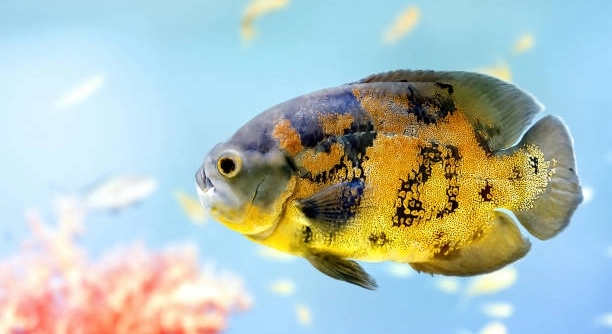
Oscar fish are known for their strong personalities and specific preferences. If your Oscar fish is avoiding its favorite area, it could be a sign of something in its environment that needs attention. This behavior may indicate stress or discomfort.
Oscar fish may avoid certain areas due to factors like water quality, changes in tank setup, illness, or environmental stress. Issues like poor water conditions or territorial disputes can make your Oscar fish hesitant to approach certain areas.
Understanding the reasons behind your Oscar fish’s behavior can help improve its environment and well-being. By addressing the potential causes, you can ensure your fish feels comfortable and safe in its habitat.
Water Quality Issues
One of the main reasons your Oscar fish might be avoiding its favorite area is poor water quality. Oscar fish are sensitive to water conditions, and even slight changes in pH, ammonia, or nitrate levels can cause them to retreat to a less familiar part of the tank. If the water isn’t properly filtered or cleaned regularly, toxins can build up and make the fish feel uncomfortable or stressed. A dirty tank can also cause a lack of oxygen, which might drive your Oscar to stay in the less affected areas.
Check the water parameters regularly and perform partial water changes to maintain a healthy environment. If your Oscar fish is avoiding its favorite area, test for ammonia, nitrate, and pH imbalances, as these could be the reason for its behavior. Clean the tank thoroughly and make sure the filtration system is working properly.
An easy fix for this is using a water testing kit to check all the key parameters and adjusting the filtration system or water changes accordingly. The stress caused by poor water quality may cause your Oscar to feel uneasy in its usual area, so taking immediate action can make a difference.
Illness or Injury
Another possible reason why your Oscar fish is avoiding its favorite spot could be due to an underlying health issue. Fish can be good at hiding their symptoms, so subtle signs of illness or injury may go unnoticed at first. If your fish is in pain or feeling unwell, it might avoid areas of the tank where it would normally be active.
Injuries or illnesses like parasites or internal infections can make your Oscar feel weak and vulnerable. If it’s not eating properly, swimming erratically, or showing any physical signs like swollen areas or faded coloration, it could be suffering from an underlying issue. A visit to an experienced fish vet can help you figure out the best treatment.
Be sure to observe your fish closely for any changes in behavior or physical appearance. Isolate the sick fish to reduce stress and provide a treatment plan that targets the potential illness. Timely intervention can help your Oscar recover and return to its favorite area.
Tank Setup Changes
Any recent changes to the tank setup can cause stress to your Oscar fish. Fish thrive in familiar environments, and rearranging decorations, adding new items, or even changing the substrate can disrupt their sense of security. If your Oscar fish is avoiding its favorite area, it could be reacting to these alterations.
Oscar fish are creatures of habit, and changes in their habitat can lead to confusion or anxiety. They may avoid previously loved spots because they feel less comfortable in them after the setup shift. Try returning the tank to its previous layout and see if the behavior improves. Keep in mind that large, sudden changes can have a bigger impact than smaller adjustments.
When adjusting a tank, it’s helpful to make gradual changes and observe your Oscar’s reactions. If you need to change the setup, consider doing it in phases so your fish can slowly adapt. Avoid rearranging decorations too frequently to minimize stress on your Oscar.
Territorial Disputes
Oscar fish are territorial by nature, and if there are other tank mates, territorial disputes could be the reason your fish is avoiding its favorite area. If another fish is encroaching on its space, your Oscar may feel threatened and seek refuge elsewhere in the tank. This is especially common in tanks with multiple fish or those that share the space with aggressive species.
The problem is that Oscar fish are not always quick to back down in a confrontation. If one fish is establishing dominance, your Oscar may feel cornered and prefer to stay in other areas to avoid unnecessary fights. Consider adding more hiding spots or rearranging the tank to help ease tension between the fish.
If your Oscar continues to avoid its favorite area despite tank changes, look for signs of bullying or aggression. If you notice any behavior like chasing or fin nipping, it may be time to separate the fish to reduce stress. Territorial issues can be solved by rethinking tank mates and giving your Oscar more space.
Stress from Overcrowding
If your Oscar fish shares its tank with too many other fish, it could be experiencing stress from overcrowding. Too many fish in a tank lead to territorial issues and less space to swim freely. This can make your Oscar avoid certain areas where it feels crowded or uncomfortable.
Overcrowding can also cause a buildup of toxins in the water, making the environment even more stressful for your fish. To resolve this issue, consider removing some fish or upgrading to a larger tank. Providing more space for your Oscar will help reduce its stress and encourage it to feel secure again.
Water Temperature Fluctuations
Oscars are sensitive to temperature changes. If your tank’s water temperature fluctuates too much, your Oscar may seek out different areas of the tank to find a more comfortable spot. Fish become stressed when temperatures are inconsistent, which can affect their overall health and behavior.
To maintain a stable environment, invest in a good-quality heater and thermometer. The ideal temperature for an Oscar is around 75-80°F (24-27°C). Avoid sudden temperature shifts by monitoring the tank closely and adjusting the heater as needed. Keeping the water temperature consistent will help your Oscar stay comfortable and prevent it from avoiding its favorite spot.
Lighting Issues
Lighting can also affect your Oscar’s behavior. If the lights in the tank are too bright or too dim, it can cause stress, making your fish avoid certain areas. Fish prefer a certain level of light, and if it’s too harsh, they may retreat to the darker corners.
To find the right lighting, aim for a balance. You don’t want the tank to be too bright, as it can overwhelm your Oscar. Use a timer to regulate light cycles and ensure your fish gets a proper day-night rhythm. Proper lighting creates a more natural environment for your Oscar, making it feel more secure in the tank.
FAQ
Why is my Oscar fish hiding all the time?
Hiding can be a sign of stress, illness, or discomfort in your Oscar fish. If your fish is spending too much time hiding, check the water quality, temperature, and tank environment. Poor water conditions or overcrowding can make your Oscar feel unsafe. Additionally, if there’s a new tank mate or a recent tank rearrangement, it might cause stress, prompting the fish to hide. Illness, injury, or bullying from other fish can also be reasons for hiding. It’s important to observe your Oscar closely to identify the underlying cause.
Can Oscar fish become depressed?
Yes, Oscar fish can experience stress or even depression. A lack of stimulation, poor water quality, or being in a tank with aggressive tank mates can affect their mental well-being. Oscar fish thrive in environments where they have enough space, proper hiding spots, and a good balance of tank mates. Stressors like constant changes in the tank setup, territorial disputes, or lack of interaction with other fish can lead to behavior changes like staying hidden or avoiding favorite areas. Keeping the tank environment stable and comfortable can help prevent stress-related depression.
How do I know if my Oscar fish is sick?
If your Oscar fish is behaving differently, such as swimming erratically, avoiding food, or staying in one spot, it might be sick. Look for physical signs such as discoloration, white spots, swollen areas, or frayed fins. Unusual swimming patterns like darting, floating at the surface, or staying at the bottom could indicate a health issue. Changes in appetite or lethargy are also common symptoms of illness. It’s essential to monitor the water conditions and consult a vet who specializes in fish if you notice any of these signs.
Can Oscar fish get along with other fish?
Oscar fish can be kept with other fish, but they tend to be territorial and may not get along with smaller or more timid species. Oscars do best with larger, more robust tank mates that won’t be seen as prey. Avoid placing them with smaller fish that they might attack or eat. In some cases, they can live peacefully with other large cichlids, but this depends on the individual fish’s temperament. It’s important to keep the tank large enough and provide hiding spots for all inhabitants to reduce aggression.
Why is my Oscar fish swimming in circles?
If your Oscar fish is swimming in circles, it could be a sign of stress, illness, or poor water conditions. Fish that swim in circles may be disoriented due to bad water quality, parasites, or other health issues. It can also indicate that the fish is feeling trapped or unable to escape from other fish or obstacles. Check the tank for signs of water parameter imbalances like high ammonia, nitrate levels, or incorrect temperature. Additionally, ensure the tank provides enough space for your Oscar to swim freely. If the behavior persists, it’s best to consult with a fish expert or veterinarian.
How often should I feed my Oscar fish?
Oscar fish are hearty eaters, and feeding them two to three times a day is generally recommended. It’s essential to give them a balanced diet of pellets, live or frozen foods like shrimp, and occasionally vegetables. Overfeeding can lead to health issues like obesity and water quality problems, so it’s important not to overfeed. A general rule is to feed them as much as they can eat in about 5 minutes. Adjust the feeding schedule based on your fish’s needs, and always remove any uneaten food to prevent it from polluting the water.
What is the best tank size for an Oscar fish?
Oscar fish grow to be quite large, reaching up to 12-14 inches (30-35 cm). A minimum tank size for one Oscar fish is 55 gallons, but a 75-gallon tank or larger is preferable for long-term health. A larger tank provides the necessary space for your Oscar to swim freely and comfortably. It also helps maintain better water quality, reducing stress. If you plan to keep multiple Oscars or other large fish, you’ll need a tank that is even bigger to provide ample space for everyone.
Can Oscar fish live with plecos?
Yes, Oscars and plecos can generally live together in the same tank, provided there is enough space and both species have sufficient hiding spots. Plecos are peaceful bottom dwellers, and their large size typically prevents them from being seen as prey by Oscar fish. However, make sure the pleco is large enough and doesn’t have any aggressive tendencies. Keep an eye on the tank dynamics, as Oscars can be territorial and may display aggression if they feel their space is being invaded.
Why is my Oscar fish not eating?
If your Oscar fish is not eating, it could be due to several factors. Poor water quality is one of the most common reasons, as it can cause stress and discomfort, leading to a loss of appetite. Illness, injury, or stress from tank mate aggression are other potential causes. Additionally, a sudden change in diet, water temperature, or tank environment can cause your Oscar to stop eating. If the behavior persists for more than a few days, check the water conditions and consult a fish veterinarian to rule out health issues.
How long do Oscar fish live?
Oscar fish typically live 10-15 years with proper care. Their lifespan depends on factors like water quality, tank size, and diet. Keeping your Oscar in a clean, spacious tank with a well-balanced diet can help ensure a long, healthy life. Regular water changes and monitoring the tank for stressors like aggressive tank mates or disease are also essential for their well-being. In ideal conditions, your Oscar can be a long-term companion, providing enjoyment for years to come.
Final Thoughts
Oscar fish are fascinating and resilient creatures, but they can sometimes exhibit behaviors that leave owners wondering what’s wrong. If your Oscar is avoiding its favorite areas, it’s crucial to understand that several factors could be at play. Stress from overcrowding, changes in water conditions, or even minor environmental disruptions can affect your fish’s behavior. By observing your Oscar closely and adjusting the tank setup or water quality, you can address the issue and help it feel more comfortable.
Maintaining a healthy tank environment is essential for your Oscar’s well-being. Regular water changes, proper filtration, and consistent water temperature are necessary to keep your fish happy. Keep an eye on the tank’s overall condition, including the behavior of any other fish, as they may impact your Oscar’s comfort. Making small adjustments like adding more space, reducing stressors, or ensuring the right temperature can have a significant impact on your fish’s health and behavior.
Ultimately, understanding your Oscar’s needs and being proactive in managing its environment will help maintain its happiness and health. Whether it’s adjusting the tank setup, addressing health issues, or ensuring the right balance of tank mates, taking a thoughtful approach to care will lead to a more enjoyable experience for both you and your fish.

Hello,
If you enjoy the content that we create, please consider saying a "Thank You!" by leaving a tip.
Every little bit helps us continue crafting quality advice that supports the health, happiness, and well-being of pets around the world, for pets of all shapes, sizes, and species.
We really appreciate the kindness and support that you show us!