
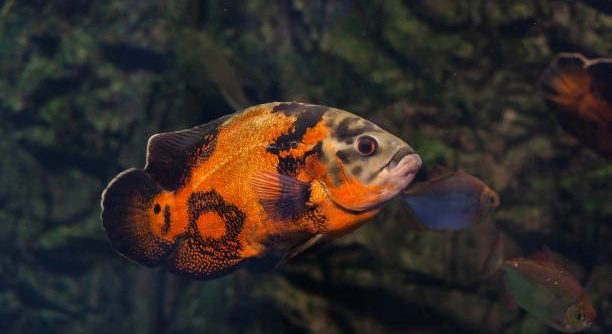
Oscar fish are known for their bold personalities, but when they start avoiding a certain spot in their tank, it can leave you wondering why. Understanding their behavior can help you provide a better environment for your fish.
The main reason your Oscar fish may be avoiding a specific area in the tank is stress, discomfort, or illness. Factors like water quality, tank mates, and even environmental changes can cause them to shy away from certain spots.
There are several reasons your Oscar fish could be avoiding a spot, and understanding these factors will help you keep your fish healthy and comfortable. Keep reading to find out more.
Stress and Anxiety in Oscar Fish
Oscar fish are sensitive creatures and can easily become stressed by changes in their environment. If your fish is avoiding a particular spot, stress might be the cause. Stress can come from many sources, including poor water conditions, loud noises, or even tank mates. Fish are particularly sensitive to shifts in their surroundings, which can cause them to retreat to a less active area in their tank. A stressed Oscar might also lose its appetite or exhibit unusual swimming patterns. It’s important to maintain stable water conditions and avoid sudden changes to the tank.
Stress is one of the main reasons your Oscar fish may avoid certain spots in the tank. Keeping the environment calm and consistent can help alleviate this.
To manage stress in your Oscar fish, start by testing the water for ammonia, nitrites, and pH levels. Maintaining a clean tank is essential for their well-being. Additionally, consider reducing tank traffic, as Oscar fish don’t always enjoy a lot of movement around their space. Make sure that no aggressive tank mates are stressing your fish out either. If the environment is quiet and peaceful, your fish will be more likely to feel safe in all areas of the tank.
Illness or Injury
If your Oscar fish seems to avoid a particular spot and shows other signs of illness, such as unusual swimming patterns or discoloration, it might be due to an injury or disease. Fish often try to hide when they don’t feel well, seeking out a secluded area where they feel more secure. These spots might be darker corners or places with less traffic. It’s crucial to keep an eye on your fish for any additional symptoms and act quickly if necessary.
In some cases, a physical injury or infection may cause the fish to avoid a specific area of the tank. Look for visible signs of injury, such as cuts, swelling, or lesions, which may cause discomfort.
Tank Layout and Decorations
Sometimes, the layout of your tank can cause an Oscar fish to avoid a certain area. If there are too many decorations or the tank feels cramped, your fish might feel trapped and uncomfortable. Oscars like space to swim around.
If the decorations in the tank create tight spaces or obstruct the fish’s movement, it may avoid those areas. Overcrowding can lead to a lack of swimming room, which may stress your fish. It’s important to ensure that the tank has open areas for your Oscar to explore freely. In addition, some ornaments or sharp objects can injure the fish or make it uneasy.
Try rearranging the decorations in your tank, leaving more open space. You can also opt for decorations that don’t have sharp edges or large, heavy structures. If your fish is avoiding one specific area, it could be due to an obstacle or something in the environment that it finds uncomfortable or threatening. Keep the tank spacious and safe to help your Oscar feel more secure.
Water Quality
Oscar fish are highly sensitive to water quality. Poor water conditions can lead to stress and even illness. If your Oscar is avoiding a certain area, it may be reacting to water issues like improper pH, temperature, or high toxin levels.
Test the water frequently to ensure that ammonia and nitrite levels are low, and that the pH and temperature are within the ideal range for your Oscar. Oscars thrive in water that is slightly acidic to neutral, with temperatures ranging from 75°F to 80°F (24°C to 27°C). Any deviation from these conditions can cause your fish to avoid areas of the tank, especially if the water is too harsh. Keep your tank clean, perform regular water changes, and make adjustments as needed to maintain a healthy environment.
Aggressive Tank Mates
Oscar fish are known to be territorial and may avoid certain spots if there are aggressive tank mates nearby. If a tank mate is constantly harassing your Oscar, it may retreat to avoid conflict. Fish can sense when a space is unsafe.
If your Oscar is being bullied or feels threatened by another fish, it might hide in a corner or at the back of the tank. Watch for signs of aggression, such as chasing, fin nipping, or constant guarding of certain areas. Oscars may also react by becoming more reclusive, avoiding spaces where they feel vulnerable.
Consider adding tank mates that are peaceful and avoid overcrowding. If necessary, you may need to rearrange the tank to create new territories for each fish. This will help your Oscar feel safer and more confident to use all areas of the tank without fear.
Tank Lighting
Oscars can be sensitive to the lighting in their environment. Too much light, especially bright, harsh lighting, can cause them to avoid certain spots in the tank. They may seek out shaded areas to escape the light.
Oscars prefer to have a natural light cycle. If your tank lighting is too bright, try adjusting the light or providing dark spots where your fish can retreat. Fish need areas to hide or rest away from the light to feel secure. Make sure to turn the tank lights off at night to mimic a natural environment.
FAQ
Why is my Oscar fish hiding?
Oscar fish often hide when they’re feeling stressed, threatened, or unwell. They might retreat to a corner or a dark spot in the tank to feel safer. Stress can come from changes in their environment, like water quality issues, aggressive tank mates, or sudden changes in their habitat. Illness can also cause Oscars to hide, as they naturally seek out areas where they feel less exposed when feeling unwell. If your Oscar is hiding more than usual, it’s important to check the water quality, the temperature, and the condition of its tank mates.
How can I tell if my Oscar fish is sick?
Sick Oscar fish may exhibit changes in behavior and appearance. Common signs of illness include faded colors, swimming erratically, rubbing against objects, or not eating. You may also notice swelling, lesions, or other visible abnormalities on their body. If your Oscar is avoiding a certain area and showing other signs like loss of appetite or lethargy, it could indicate illness. A visit to an aquatic vet might be necessary if symptoms persist.
Can Oscars live with other fish?
Oscar fish can live with other fish, but they are territorial and may become aggressive. It’s important to choose tank mates that can handle the Oscar’s bold personality. Larger, more peaceful fish, like plecos or catfish, are generally good companions. Avoid smaller fish that may be seen as prey or overly passive fish that could trigger aggression. In some cases, it may be necessary to keep Oscars in a species-only tank if aggression levels are high.
How much space does an Oscar fish need?
Oscar fish require a lot of space due to their large size and active nature. A tank of at least 55 gallons is the minimum recommended for one adult Oscar. A larger tank will provide more room for swimming and reduce the risk of territorial disputes. If you plan on keeping more than one Oscar, aim for an even bigger tank to give them adequate space to live comfortably.
Why is my Oscar fish losing its color?
If your Oscar is losing its color, it could be a sign of stress, poor water quality, or illness. Poor water conditions, like incorrect pH levels, high ammonia, or nitrites, can affect the fish’s coloration. Stressful conditions, such as overcrowding or aggressive tank mates, can also cause fading. Illnesses like skin parasites or bacterial infections may also cause loss of color. Monitor your Oscar’s water conditions and overall health to determine the cause of color loss.
How often should I feed my Oscar fish?
Oscar fish should be fed once or twice a day, depending on their age and activity level. Adults typically need one feeding per day, while younger fish may require two smaller feedings. Overfeeding can lead to poor water quality and health issues, so it’s important to only give them as much food as they can consume in about five minutes. Ensure that their diet is balanced with high-quality pellets, live or frozen foods, and occasional vegetables.
Can Oscars eat live food?
Yes, Oscar fish can eat live food, and they often enjoy it. Live food, such as feeder fish, worms, or insects, can provide variety in their diet and mimic their natural hunting instincts. However, it’s important to ensure that any live food is free of parasites or diseases that could harm your fish. Over-reliance on live food can also cause nutritional imbalances, so it’s best to use it sparingly and supplement with a balanced diet of pellets and frozen foods.
Why is my Oscar fish aggressive?
Oscar fish are known for their territorial behavior and can be quite aggressive, especially when they are protecting their space or during mating. Aggression can also stem from stress, such as overcrowding, poor water quality, or incompatible tank mates. They may chase or nip at other fish, particularly smaller ones. If aggression is severe, it might be necessary to separate aggressive Oscars or provide more hiding spots and space in the tank.
What temperature should I keep my Oscar tank?
Oscar fish thrive in warm water, with an ideal temperature range of 75°F to 80°F (24°C to 27°C). Keeping the water within this range ensures your fish stays healthy and active. Water that is too cold or too hot can cause stress and weaken the immune system, leading to illnesses. Use a reliable heater and thermometer to maintain a consistent temperature in the tank.
How can I prevent my Oscar from becoming sick?
To prevent your Oscar from getting sick, it’s essential to maintain a clean tank, provide a balanced diet, and regularly monitor water quality. Perform regular water changes and keep the filtration system in good condition to remove toxins. Avoid overcrowding the tank, and be careful when introducing new fish to ensure they’re disease-free. Keeping the environment calm and stable will help prevent stress, which is often a precursor to illness.
Is it normal for an Oscar fish to be aggressive toward me?
Oscar fish can be territorial and may display aggression if they feel threatened. However, aggression towards you is usually not a concern unless it becomes extreme. Oscars are intelligent and may even recognize their owner, but they can get defensive, especially if they feel their space is being invaded. Avoid tapping on the glass or putting your hands in the tank too frequently to reduce stress. If your Oscar becomes more aggressive, consider making changes to the tank layout or water conditions to help calm it down.
Final Thoughts
When an Oscar fish starts avoiding a certain spot in the tank, it can be concerning, but it’s often a sign that something in their environment needs attention. Oscars are sensitive creatures, and they rely on their surroundings to feel safe and comfortable. If they’re not happy with the water quality, feel stressed by their tank mates, or have any health issues, they may retreat to an area they feel more secure in. Understanding the cause behind this behavior is the first step toward improving their environment and making them feel better.
It’s essential to regularly check water parameters like temperature, pH, and ammonia levels to keep your Oscar healthy. Poor water quality can lead to stress and illness, which might cause your fish to avoid certain spots. In addition to that, you should consider the tank layout and any potential aggressive behavior from other fish. Oscars prefer space to swim, and overcrowding or sharp decorations can make them feel trapped. Ensuring that your tank has enough room and peaceful tank mates can make a significant difference in your Oscar’s behavior.
Lastly, always be observant of your Oscar’s overall health. If your fish is avoiding a certain spot and showing other signs of illness, it may be time to act quickly. Keep an eye out for symptoms like loss of color, not eating, or odd swimming patterns. In some cases, a trip to an aquarium vet may be necessary to diagnose any underlying health issues. With the right care and attention, your Oscar fish can continue to thrive in a safe, comfortable environment, ensuring it’s happy and healthy for years to come.

Hello,
If you enjoy the content that we create, please consider saying a "Thank You!" by leaving a tip.
Every little bit helps us continue crafting quality advice that supports the health, happiness, and well-being of pets around the world, for pets of all shapes, sizes, and species.
We really appreciate the kindness and support that you show us!