
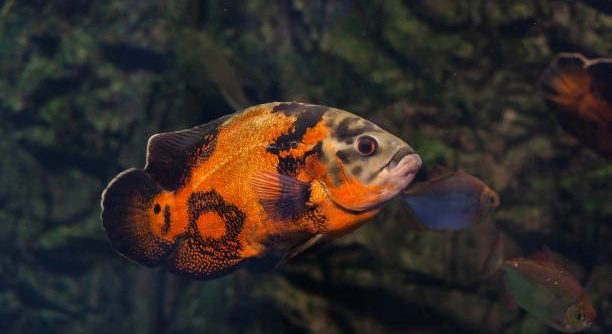
Is your Oscar fish constantly sticking to one side of the tank, leaving you confused about its unusual swimming behavior and habits?
Oscar fish that stay on one side of the tank often do so due to stress, poor water quality, illness, or territorial behavior. Identifying the underlying cause requires monitoring tank conditions, examining physical symptoms, and observing any changes in behavior.
Identifying patterns and subtle changes in your fish’s environment can reveal a lot about its condition and overall well-being.
Common Reasons Your Oscar Fish Stays on One Side
Oscar fish may spend extended time on one side of the tank due to stress, illness, or water quality issues. Stress can come from sudden changes in their environment, such as temperature shifts or new tank mates. Poor water conditions, including high ammonia or nitrite levels, often lead to lethargy and unusual positioning. Illnesses like swim bladder disorder, internal parasites, or bacterial infections can also make movement difficult. Additionally, Oscars are territorial and may favor one area, especially if they feel more secure there. Always observe their behavior closely and check for signs like loss of appetite or color changes.
Sometimes, your Oscar fish may simply be resting or avoiding strong current.
If the fish remains on one side for long periods, test your water parameters right away. Ammonia, nitrite, nitrate, and pH levels should stay within safe ranges. Clean the tank regularly and maintain a stable temperature to keep your Oscar healthy.
How to Respond to This Behavior
Start by observing your Oscar’s movements and checking for signs of illness.
Use a reliable test kit to check the tank’s water quality. Poor water conditions are one of the most common causes of stress in Oscar fish. Keep the water temperature between 74–81°F and make sure the filter is running properly. If the results show any imbalance, perform a partial water change and monitor the results. Avoid adding new fish or making sudden changes in the tank while your Oscar is stressed. If you see physical signs like bloating or clamped fins, consult an aquatic veterinarian or visit a reputable aquarium store for advice. They can help you identify if the issue is disease-related or behavioral. Some Oscars prefer quieter corners of the tank, especially if they’re overwhelmed. Adding plants or decorations can help provide cover and a sense of security. Keeping the environment stable and peaceful often helps resolve the issue without needing medication.
Other Signs Something Might Be Wrong
Watch for signs like clamped fins, loss of appetite, or labored breathing. These often appear before or alongside the behavior of staying in one area. Any sudden change in swimming patterns should not be ignored for too long.
If your Oscar stops eating, floats oddly, or lies on its side for hours, these may be signs of illness. Cloudy eyes, white spots, or unusual bloating could point to specific diseases like ich or bacterial infections. A drop in activity, especially if paired with hiding or darkened color, often means the fish is unwell. These signs usually show up when water quality has dropped or the fish is under ongoing stress. Early detection gives you the best chance of correcting the problem quickly. Regular tank maintenance and consistent observation are key to keeping Oscars healthy and active.
A healthy Oscar swims smoothly, eats regularly, and reacts to movement outside the tank. If yours stays still, seems sluggish, or shows signs of discomfort, take action early. It helps to keep a log of changes in feeding, movement, and tank maintenance. This makes it easier to notice patterns or triggers over time. Some issues may require professional help, especially if you’ve ruled out water quality problems.
Simple Changes That Can Help
Make small adjustments instead of big ones. Start by cleaning the filter, performing a 25% water change, and checking tank temperature. These changes alone often help reduce stress and restore normal behavior without causing shock.
Add hiding spots using rocks or aquarium-safe decorations to give your Oscar a more secure space. If the tank lighting is too bright, reduce it slightly to create a calmer environment. Check for aggressive tank mates or any source of sudden noise or vibration near the aquarium. Use a heater to keep temperature steady, especially during seasonal changes. Feed a varied diet in small amounts and avoid overfeeding, which can affect water quality. Observe your Oscar after each adjustment to see if behavior improves. Taking slow, steady steps helps your fish feel safe and prevents further stress. Making these changes gradually will support your Oscar’s recovery and promote long-term health.
When to Seek Help
If your Oscar fish shows no improvement after a few days of changes, it’s time to ask for help. A professional can examine symptoms more closely and recommend proper treatment before things get worse.
Seek help sooner if you notice visible injuries, parasites, or severe bloating. Waiting too long may reduce treatment success.
Preventing Future Issues
Keep your Oscar’s tank clean with regular water changes and routine filter maintenance. Avoid overcrowding the tank and make sure your Oscar has enough space to move around. A consistent feeding schedule, clean environment, and steady water temperature go a long way in preventing stress.
What Not to Do
Don’t use random medications without knowing the exact problem. This can make things worse and stress your fish more.
FAQ
Why is my Oscar fish always on one side of the tank?
Oscars may stay on one side of the tank due to stress, illness, or poor water quality. Stress can stem from changes in the environment, such as fluctuating water temperatures or the introduction of new tank mates. Poor water quality, especially high levels of ammonia or nitrites, can cause discomfort and make the fish stay in one area. If the fish is sick, it may not have the strength to swim around.
How can I tell if my Oscar fish is sick?
Signs of illness include clamped fins, lethargy, loss of appetite, bloating, or unusual swimming patterns. If your Oscar stops eating or struggles to swim, these are red flags. Look for physical symptoms such as cloudy eyes, white spots, or wounds on its body. Early detection is key to successful treatment.
What water conditions are best for my Oscar fish?
Oscar fish prefer water temperatures between 74°F and 81°F, with a pH level of 6.5 to 7.5. The water should be clean with no ammonia or nitrite present. Nitrate levels should be kept below 40 ppm, and regular water changes are important to maintain a healthy tank. A good filtration system helps keep the water clean and reduces the likelihood of health problems.
Can I add new fish to the tank while my Oscar is stressed?
It’s best to wait until your Oscar is feeling better before introducing new fish. Adding tank mates during a stressful period can increase aggression and further stress your Oscar. It’s important to address the underlying issue, whether it’s poor water conditions, illness, or environmental factors, before making any changes to the tank.
How often should I change the water in my Oscar’s tank?
For an Oscar fish, you should aim to change 20-25% of the water every two weeks. However, if your tank has a lot of waste or high stocking levels, more frequent changes may be necessary. Always monitor the water quality to ensure it stays within safe parameters.
Why is my Oscar fish not eating?
Loss of appetite can be a sign of stress, illness, or poor water quality. Check the water conditions and make sure the temperature and pH are within the correct range. If the water is clean and stable, but your Oscar is still not eating, it may have an underlying health issue like a parasite or infection.
Can poor water quality affect my Oscar’s behavior?
Yes, poor water quality is a major cause of stress for Oscar fish. High ammonia or nitrite levels can irritate their gills, making it difficult for them to swim properly. If your Oscar is spending a lot of time on one side of the tank, it could be a sign that the water conditions are harming its health. Regular water testing and maintenance are essential.
How can I reduce stress for my Oscar fish?
To reduce stress, ensure that your Oscar’s tank is kept clean, with stable water parameters. Avoid sudden changes in the environment and give your fish plenty of space to swim. Providing hiding spots, such as plants or decorations, can help the fish feel more secure. Keeping the tank in a quiet area with minimal disturbances is also important.
What should I do if my Oscar’s fins are clamped?
Clamped fins are often a sign of stress or illness. Check the water quality first to make sure the conditions aren’t contributing to the issue. If the water is fine, the clamped fins may be due to illness, such as a bacterial infection or parasites. In such cases, treatment may be required.
Is it normal for my Oscar fish to be territorial?
Yes, Oscars are known for being territorial, especially as they mature. They may claim a particular spot in the tank and become aggressive toward other fish. If this behavior is causing issues, consider rearranging decorations to break the territory or providing more space.
What do I do if my Oscar fish is swimming upside down?
Swimming upside down is often a sign of a swim bladder issue, which can be caused by poor water quality, overfeeding, or injury. To help, ensure that the water conditions are ideal and reduce feeding amounts. If the behavior persists, consult with an aquatic vet for treatment options.
Can I keep my Oscar with other fish?
Oscar fish can be kept with other large, non-aggressive fish, but they are known to be territorial and sometimes aggressive. Avoid smaller fish that may become prey. Also, ensure the tank is large enough to provide each fish with its own space. Adding decorations or plants can help break up the territory.
How do I know if my Oscar fish is comfortable in its tank?
A comfortable Oscar fish will swim actively around the tank, exploring all areas. It should show interest in its surroundings and respond to feeding times. If it hides or stays in one spot for long periods, it could be a sign of stress, illness, or an issue with its environment.
Why is my Oscar fish scratching against objects?
Scratching against objects can be a sign of external parasites or skin irritation. Common issues include ich or velvet disease, which cause itching as the fish tries to remove the parasites. If your Oscar is scratching, it’s important to test the water and monitor for other signs of illness.
How can I prevent my Oscar fish from getting sick?
Prevention is key in maintaining a healthy Oscar. Keep the water clean and stable, avoid overcrowding, and ensure proper filtration. Provide a balanced diet and avoid overfeeding, as excess food can affect water quality. Regularly observe your fish for any signs of illness or stress.
How long do Oscar fish live?
Oscar fish typically live between 10 to 15 years when properly cared for. Providing the right water conditions, diet, and tank environment will help ensure your Oscar’s long-term health and well-being. Regular tank maintenance and monitoring for any signs of illness can extend their lifespan.
Final Thoughts
Oscar fish are resilient creatures, but they can also be sensitive to changes in their environment. If your Oscar fish is constantly on one side of the tank, it’s important to understand that it could be a sign of stress, poor water quality, or illness. By paying attention to the tank conditions, behavior, and overall health of the fish, you can address the issue before it becomes more serious. Regular maintenance of the tank, including water changes and ensuring proper filtration, can go a long way in preventing these types of problems.
It’s crucial to create a stable and safe environment for your Oscar fish to thrive. Maintaining proper water parameters, such as temperature, pH, and nitrate levels, is key to their well-being. In addition, offering enough space for them to move around freely can reduce stress. Oscars can be territorial, but they still need room to swim and explore. Monitor their behavior and make adjustments as needed to create a peaceful and supportive atmosphere in the tank.
If the issue persists or worsens, it’s best to seek professional help. A vet or experienced aquarium specialist can offer advice and help diagnose the problem more accurately. Whether it’s a medical condition, environmental stressor, or something else, prompt attention can lead to better outcomes. Remember, the well-being of your Oscar fish depends on the care and attention you provide. With the right knowledge and steps, your Oscar can live a healthy and happy life in its aquatic home.

Hello,
If you enjoy the content that we create, please consider saying a "Thank You!" by leaving a tip.
Every little bit helps us continue crafting quality advice that supports the health, happiness, and well-being of pets around the world, for pets of all shapes, sizes, and species.
We really appreciate the kindness and support that you show us!