
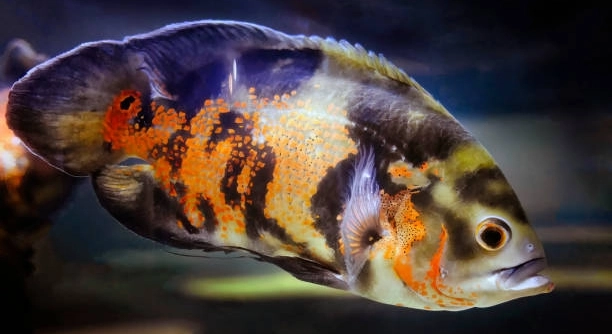
Oscar fish are known for their large appetites, and it can be puzzling when they seem constantly hungry. Understanding their feeding habits can help ensure your fish stays healthy and content in its environment.
The most common reason an Oscar fish appears always hungry is due to its natural, high metabolism. These fish require a lot of food to maintain their energy levels, especially in a well-maintained aquarium environment.
In this article, we’ll explore the factors that contribute to your Oscar’s hunger and how you can adjust its feeding routine to keep it happy and healthy.
Understanding Your Oscar Fish’s Natural Appetite
Oscar fish are naturally voracious eaters, and their hunger is often linked to their high metabolism. Unlike some fish species, Oscars grow quickly and require a significant amount of food to fuel their growth and daily activities. They also tend to be more active, which increases their energy needs. Oscars are opportunistic feeders, meaning they will eat whenever food is available, sometimes making them appear as though they are always hungry. This behavior can sometimes cause concern for owners, especially if the fish seems to always be searching for food. However, this is entirely normal for the species.
Oscar fish are also quite intelligent, which can play a role in their constant search for food. They can quickly learn the routine of their feeding times, and their anticipation can make them appear even hungrier. It’s important to remember that while they may seem to be always hungry, they generally know when it’s feeding time and may be simply excited or anticipating their next meal.
Oscar fish thrive in an environment where they are fed consistently and appropriately. With their natural appetite in mind, understanding their nutritional needs is key to ensuring they remain healthy.
Feeding Routines and Overfeeding Risks
Feeding your Oscar fish correctly is essential to avoid health problems. Overfeeding can lead to obesity, water quality issues, and digestive problems.
Oscars are opportunistic feeders, which means they will consume whatever food is available to them. It’s crucial to establish a consistent feeding schedule to prevent overfeeding. Ideally, adult Oscars should be fed once or twice a day, offering just enough food that they can consume in 2-3 minutes. This routine helps maintain their weight and keeps water quality stable. Overfeeding leads to uneaten food that decays in the tank, polluting the water and potentially harming the fish.
Feeding your Oscar too much can also cause stress and disrupt its natural eating behavior. If food is constantly available, the fish may lose its appetite regulation. Maintaining a healthy feeding routine ensures your fish stays active, nourished, and in optimal health.
Tank Size and Its Impact on Hunger
The size of your tank can affect your Oscar’s hunger. In smaller tanks, the fish might feel confined and more anxious, which can make them appear hungrier. They may also be less active due to limited swimming space, leading to the impression that they’re constantly looking for food.
Larger tanks provide more room for Oscars to swim and explore, offering them a more comfortable environment. With more space, they are less likely to experience stress, which can sometimes reduce excessive food-seeking behavior. A spacious tank helps them stay healthy, active, and less focused on food, as they can engage in other behaviors like exploring or interacting with tank mates.
Additionally, water quality in larger tanks is often easier to maintain, reducing the risk of health issues that can affect their appetite. Proper filtration and regular tank maintenance are just as crucial as tank size in keeping your Oscar fish happy and not always searching for food.
Diet and Nutrition
A proper diet plays a major role in managing your Oscar’s hunger. While they have large appetites, feeding them the right foods ensures they receive the nutrients they need without overfeeding.
Oscars thrive on a variety of foods, such as pellets, live foods, and frozen options. A well-balanced diet should include protein, fat, and essential vitamins to maintain their health. Offering them a mix of foods not only satisfies their appetite but also supports their natural instincts. If fed too many high-protein foods, however, your fish may gain excess weight, so balance is key.
Feeding them too much of one type of food can lead to health problems. It’s best to provide a range of food options, ensuring that each meal is nutritionally balanced. While they might appear always hungry, feeding them appropriately will prevent overfeeding and encourage healthy eating habits.
Environmental Factors
Oscars are sensitive to changes in their environment, which can influence their hunger. Poor water quality or sudden temperature shifts may cause stress, leading to increased food-seeking behavior. Maintaining stable water conditions can help reduce unnecessary hunger cues.
When Oscars are stressed, they may act out by constantly looking for food or displaying aggressive behavior. Stressors like improper tank conditions, overcrowding, or incompatible tank mates can make them more anxious. Keeping their environment clean and stable helps keep their appetite regulated and minimizes hunger-related behaviors.
Tank Mates and Social Behavior
Oscar fish can be territorial, and the presence of other fish can impact their eating habits. Oscars may become more aggressive if they feel threatened by their tank mates, which could lead to them eating more than necessary to assert dominance or maintain control over their space.
Introducing peaceful tank mates or providing enough hiding spots can reduce stress and give your Oscar the confidence it needs to eat without feeling pressured. Also, make sure the size of your tank is large enough to accommodate everyone comfortably. Stress-free Oscars tend to eat more steadily, leading to a healthier feeding routine.
Illness or Health Issues
Sometimes, constant hunger can signal a health problem in your Oscar fish. Common issues like internal parasites or digestive problems can increase their appetite, as they try to compensate for lost nutrients. A sudden increase in hunger could be a sign of something wrong.
FAQ
Why does my Oscar fish always seem to beg for food?
Oscar fish are known for being quite vocal and persistent when they’re hungry. This behavior is often a result of their high metabolism and constant need for nourishment. When Oscars see or sense food, they get excited and may begin to beg, even if they’re not truly hungry. They’re opportunistic feeders, so they’ll eagerly take whatever is offered to them, whether or not they need it at that moment. Their intelligence and ability to associate feeding time with food can also make them seem even more demanding.
How much should I feed my Oscar fish?
Adult Oscars should be fed once or twice a day, with portions that they can finish in 2-3 minutes. It’s important not to overfeed them, as this can lead to health problems like obesity and poor water quality. The amount you feed should be based on their size and activity level. Start with a small portion and adjust if necessary. If your Oscar has leftovers in the tank, you’ve given too much. Feeding them varied food types, like pellets, live, or frozen foods, ensures they get a balanced diet.
Can I feed my Oscar fish only pellets?
While pellets can be a good staple food for Oscars, they should not be their sole source of nutrition. Oscars need a varied diet to ensure they get all the essential nutrients, including protein, vitamins, and minerals. Feeding them only pellets may lead to deficiencies over time. It’s a good idea to offer a mix of pellets, frozen or live food, such as worms or shrimp. This variation mimics their natural diet and helps keep them healthy.
How do I know if my Oscar is overfed?
Signs of overfeeding in Oscars include uneaten food in the tank, which can pollute the water, leading to cloudy conditions and poor water quality. If your Oscar fish appears lethargic, bloated, or is swimming sluggishly, these may also be signs of overfeeding. Another indicator is when your Oscar’s waste becomes excessive or changes in appearance. Keep an eye on their body condition as well – if they appear overweight, it’s a sign they’re getting more than enough food.
Is it normal for my Oscar to eat plants or decorations?
Oscars are primarily carnivores, but some may nibble on plants or decorations in the tank, especially if they’re feeling bored or stressed. While it’s not ideal, occasional nibbling is common. To prevent this behavior, make sure your Oscar’s diet is well-balanced, and try adding a variety of tank mates or enriching the environment with more hiding spots and toys. If the problem persists, removing any vulnerable plants or decorations may be necessary to protect your tank’s setup.
Why is my Oscar fish constantly chasing its reflection?
Oscar fish are known to be territorial, and they may chase their reflection in the glass because they perceive it as another fish entering their space. This behavior can cause them to seem more aggressive or restless. To reduce this, try adding more decorations or hiding spots in the tank to help your Oscar feel more secure. If the reflection problem continues, consider using a tank background to block the view, preventing your Oscar from seeing its own reflection.
Can Oscar fish go without food for a few days?
Oscar fish can survive for a few days without food, but it’s not ideal. Like most fish, they can go without food for a short period, especially if they are healthy. However, long periods of fasting can cause stress and weaken their immune system. If you plan to be away for a few days, make sure to arrange an automatic feeder or ask someone to feed your fish to maintain its regular feeding schedule.
Why is my Oscar fish so aggressive toward other tank mates?
Oscars are territorial fish, and aggression towards tank mates is a common behavior. They may become aggressive if they feel their space is being invaded, especially if there aren’t enough hiding places. The size of the tank and the types of other fish also play a role in aggression. Larger Oscars tend to be more aggressive. It’s essential to choose tank mates carefully. Avoid small fish or slow-moving fish that might get harassed. Providing plenty of hiding spaces or decorations can help reduce aggression by giving your Oscar a sense of security.
How can I reduce my Oscar’s constant hunger without overfeeding?
The best way to manage your Oscar’s hunger without overfeeding is to establish a routine with a set feeding schedule. Offer them smaller portions multiple times a day, rather than overfeeding in one sitting. Using a variety of foods, such as pellets, worms, and shrimp, ensures they’re getting a balanced diet. Make sure to monitor their body condition regularly and adjust the feeding amounts if they appear to be gaining weight. By feeding them enough to satisfy their natural appetite, you can keep them healthy and happy.
Final Thoughts
Understanding why your Oscar fish seems always hungry can be helpful in ensuring its health and well-being. Oscars are naturally voracious eaters with high metabolisms, meaning they require a lot of food to maintain their energy levels. Their constant hunger is often linked to their growth rate, activity level, and even their intelligence, as they can quickly learn feeding routines. While this can make them seem like they’re always begging for food, it’s essential to remember that this behavior is normal for the species. A healthy, consistent feeding routine is key to managing their hunger and ensuring they get the right amount of nutrition without overfeeding.
In addition to feeding routines, several factors can impact your Oscar’s hunger. Tank size and water quality play significant roles in your fish’s behavior. A small or poorly maintained tank may lead to stress, which can cause an Oscar to act hungrier than it actually is. On the other hand, providing a spacious and clean environment can help reduce stress and allow your Oscar to behave more naturally. Furthermore, it’s important to pay attention to their diet. While Oscars can seem to eat anything, feeding them a balanced variety of foods ensures they’re getting the right nutrients without excessive fats or proteins that could cause health problems.
Finally, while Oscars are generally easy to care for, it’s important to stay alert for any signs of illness that might be affecting their appetite. Issues like internal parasites or digestive problems can cause them to eat more to compensate for nutritional loss. If your Oscar’s hunger seems out of the ordinary or if it’s exhibiting other signs of distress, it might be worth consulting a vet. By understanding your Oscar’s natural needs, providing the right food, and maintaining a healthy tank environment, you’ll help ensure that your fish remains happy, healthy, and well-fed.

Hello,
If you enjoy the content that we create, please consider saying a "Thank You!" by leaving a tip.
Every little bit helps us continue crafting quality advice that supports the health, happiness, and well-being of pets around the world, for pets of all shapes, sizes, and species.
We really appreciate the kindness and support that you show us!