
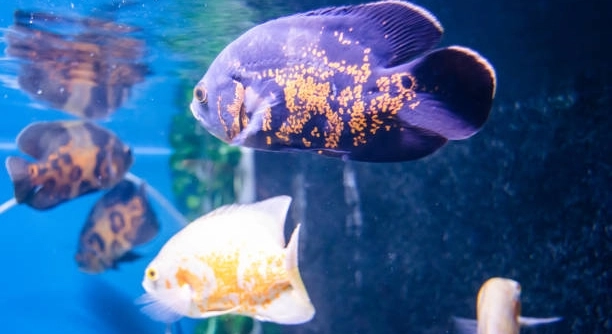
Oscar fish are known for their bold personalities, but sometimes they may start acting skittish for reasons you might not immediately understand. This can be concerning, especially for owners who are used to their fish’s usual behavior.
The main reason your Oscar fish might act skittish is due to changes in its environment, stress, or potential health issues. Sudden changes in water quality, lighting, or tank mates can also trigger nervous behavior.
Understanding what could be causing the shift in behavior will help you provide the best care for your fish. Identifying the cause is the first step toward resolving it and restoring their calm.
Stress and Environmental Changes
Oscar fish are particularly sensitive to changes in their environment. If you’ve recently made any adjustments to their tank, like adding new decorations, changing the water, or moving things around, your fish might feel uneasy. These changes can disrupt their sense of security and cause them to act skittish. Oscars are creatures of habit and don’t always adapt well to sudden shifts.
When the water temperature, pH, or overall quality shifts even slightly, it can stress your fish. Inconsistent filtration, poor water conditions, or changes in lighting can have a similar effect. If your Oscar is reacting nervously or swimming erratically, it’s often a sign that something in the tank environment isn’t quite right.
To avoid this, ensure you maintain stable water conditions, and if possible, make changes gradually. Oscars need a calm, consistent environment to thrive, and keeping the tank clean is essential. If you’ve recently made changes, try to minimize them for a while, allowing your fish to adjust.
Tankmates and Social Stress
The behavior of other fish can also influence your Oscar. If you’ve introduced new tankmates recently, they could be causing stress. Oscars are territorial and may not get along well with certain species, which can lead to increased anxiety.
If you suspect tankmates might be the issue, observe closely to see if your Oscar is showing signs of aggression or fear toward others. If the stress becomes too much, it might be time to reconsider your tank setup. Oscars do best when they feel in control of their space. They might also become skittish if they feel threatened by larger or more aggressive fish.
Being mindful of compatibility is key. Try to keep peaceful, similarly-sized fish with your Oscar, and always observe how they interact. If tensions are high, separating aggressive or overly territorial species can help calm things down.
Health Issues
If your Oscar fish is suddenly skittish, health problems might be the cause. Common issues like parasites, injuries, or infections can make your fish feel unwell and more cautious. Oscars may also hide or act differently if they are experiencing pain or discomfort.
A quick check for physical signs such as unusual spots, swelling, or discoloration can help determine if illness is a factor. Sometimes, internal parasites may not be visible, but their effects on behavior are noticeable. If you notice these signs, consider isolating your Oscar to prevent spreading any potential diseases and consult a vet for proper treatment.
Regular water changes, proper filtration, and a balanced diet can help prevent many common health issues. Oscars need a nutritious diet to stay healthy, so ensure you’re feeding them high-quality food and maintaining a clean tank. If health issues persist, a visit to an aquatic vet could be necessary.
Water Quality and Filtration
Poor water quality is one of the most common reasons Oscars act skittish. They need clean, stable water to stay healthy and calm. When ammonia, nitrite, or nitrate levels are too high, fish can become stressed and show nervous behavior.
Proper filtration helps maintain a safe environment, and regular water testing ensures that your Oscar isn’t swimming in harmful conditions. If the water is too dirty or the tank is overstocked, it can quickly lead to stress and poor health. Be sure to do frequent water changes to keep everything balanced. A high-quality filter will also make a noticeable difference in your fish’s behavior.
Over time, a consistent cleaning routine helps prevent the build-up of harmful substances in the tank. Always check the water parameters regularly and keep an eye out for any signs that the filter may need to be replaced or cleaned. This will help your Oscar feel more at ease in its home.
Overfeeding or Underfeeding
Feeding your Oscar the wrong amount of food can cause stress. Overfeeding can lead to water pollution, while underfeeding might make your fish feel weak or anxious. Both can affect their behavior in negative ways.
To avoid this, provide only the amount your Oscar can eat in a few minutes. If you notice leftover food sinking to the bottom, you’re likely overfeeding. On the other hand, if your Oscar is constantly searching for food, it might not be getting enough.
Consistency is important when it comes to feeding. Oscars usually need to be fed once or twice a day, depending on their size and age. Stick to a regular feeding schedule to keep their routine stable and stress levels low.
Tank Size
Oscar fish need space to swim comfortably. A tank that is too small can create stress and lead to skittish behavior. Ideally, Oscars should have a tank that’s at least 75 gallons or more, especially as they grow.
A cramped environment limits their ability to swim and explore, which can make them anxious. Without enough room, they may start acting aggressively or hide more often. It’s important to ensure the tank is large enough for them to feel secure. A spacious tank also helps maintain better water quality, which reduces stress.
The size of your tank can impact your Oscar’s behavior in a big way, so don’t underestimate the importance of providing enough room.
Lighting
Lighting plays a significant role in your Oscar’s comfort. If the tank is too bright or has sudden shifts in lighting, your fish may react nervously. Oscars prefer moderate lighting, which mimics natural conditions.
Too much light can be overwhelming for them, while too little light can make them feel unsafe. A dimmer light or natural daylight is often best. Try to avoid harsh artificial lighting or sudden changes in the light schedule, as this can stress your fish out and cause them to hide or act skittish.
FAQ
Why is my Oscar fish hiding all of a sudden?
Oscars tend to hide when they feel threatened, stressed, or unwell. If your Oscar is hiding more than usual, it could be because of changes in their environment or because they’re feeling sick. It could also be related to aggressive tankmates or sudden changes in water conditions. Stress from these factors often makes Oscars retreat to a safe spot in the tank.
If the hiding is accompanied by other unusual behavior, such as a lack of appetite or erratic swimming, it’s a good idea to check water quality and look for any signs of illness. Make sure your Oscar has plenty of space and a place to hide, but if hiding continues, a closer look at potential health issues or environmental stressors is necessary.
What can I do if my Oscar fish keeps swimming in circles?
If your Oscar is swimming in circles, it might be a sign of stress, poor water conditions, or an injury. Circle swimming is sometimes a result of a lack of space in the tank, causing your fish to swim repetitively due to frustration. Poor water quality can also lead to erratic swimming patterns.
To address this, check the water parameters (ammonia, nitrites, nitrates, and pH) and make sure they’re within the ideal range. If the tank is overcrowded, reducing the number of fish or providing more space can help. If water quality and space are good, and the behavior continues, your Oscar may be suffering from a health issue, and it would be best to consult a vet.
Why is my Oscar fish so aggressive all of a sudden?
Oscar fish can become more aggressive due to several factors, including changes in their environment, tank mates, or health. If your Oscar has recently been introduced to new tank mates, it may be displaying territorial behavior, especially if it feels its space is being invaded.
Aggression can also result from stress caused by poor water conditions or overcrowding. In some cases, it’s a normal behavior, especially during breeding season. Ensure your Oscar has enough space and that tank mates are compatible. If aggression continues, it might help to separate aggressive fish to avoid harm.
How can I tell if my Oscar fish is stressed?
Signs of stress in Oscar fish include erratic swimming, hiding, frequent surface breathing, loss of appetite, or unusual behavior such as glass surfing (swimming back and forth against the glass). Stress can be caused by several things, including poor water quality, changes in their environment, or aggression from other tank mates.
To reduce stress, maintain stable water conditions, ensure a peaceful tank environment, and avoid sudden changes in their habitat. If stress persists, it may be due to an underlying health issue, and a visit to the vet might be necessary.
Can Oscar fish get lonely?
While Oscar fish are solitary by nature, they can still experience stress or changes in behavior if they’re isolated for too long. Oscars can become bored or agitated if there are no other fish to interact with, especially if they are housed in a tank that’s too small or lacking enrichment.
Adding compatible tank mates can help, but always consider the size of the tank and the personalities of other fish. Some Oscars are perfectly fine living alone, while others may benefit from having a companion. However, it’s important to remember that they are territorial, so be cautious about introducing new fish.
What should I do if my Oscar fish isn’t eating?
If your Oscar isn’t eating, it’s often a sign of stress, poor water quality, or illness. Check the water conditions immediately to ensure the pH, temperature, and ammonia levels are within the right range. Oscars are also sensitive to drastic changes in temperature or water quality, so make sure their environment is stable.
If the water is fine, observe your fish for other signs of illness, such as lethargy or abnormal behavior. Sometimes, Oscars refuse to eat when stressed or not feeling well. If the issue persists for more than a few days, it may be necessary to consult a vet for further examination.
How can I keep my Oscar fish from getting skittish again?
To keep your Oscar calm and prevent skittish behavior, maintain a stable and peaceful tank environment. Ensure the water is regularly tested and kept within the ideal range for temperature, pH, and cleanliness. Make gradual changes to the tank rather than sudden shifts to avoid stressing your fish.
It’s also helpful to minimize handling or disturbances in the tank. Adding hiding spots or decorations can give your Oscar a sense of security. Additionally, ensure that the tank is large enough to allow your fish to swim freely without feeling cramped. If you notice stress signs, check for health issues promptly and consult an expert if needed.
Why is my Oscar fish swimming near the surface of the water?
If your Oscar is swimming near the surface, it could be a sign of water quality issues, such as low oxygen levels or high ammonia levels. Oscars may move to the surface if they are struggling to breathe or if the water isn’t properly oxygenated.
Check the oxygen levels and ensure your filter is working correctly. If your tank is overcrowded, consider reducing the number of fish to improve water flow and oxygen distribution. If the issue persists despite good water conditions, it’s important to examine your Oscar for any signs of illness that could be affecting their behavior.
What are the signs that my Oscar fish is not feeling well?
When an Oscar fish isn’t feeling well, it might display several signs. These include lethargy, loss of appetite, changes in swimming patterns (such as erratic or slow movements), or the appearance of spots, lesions, or swelling on its body. If your fish is rubbing against objects in the tank, it could indicate an external parasite or irritation.
Changes in breathing, such as rapid or labored breathing, could also signal health issues, as could bloating or abnormal bowel movements. If any of these symptoms appear, it’s important to check the water conditions and isolate the fish if necessary while you determine the cause of the problem.
Final Thoughts
If your Oscar fish is acting skittish, there are many possible reasons behind the change in behavior. It’s important to first consider any recent changes in the tank, such as new decorations, tank mates, or even a shift in water quality. Oscars are creatures of habit and can be sensitive to any alterations in their environment. Stress is a common cause of skittish behavior, and it can be triggered by something as simple as a small change in lighting or temperature. Understanding what might have changed in the tank recently can help you pinpoint the cause of their unease.
Another factor to keep in mind is the overall health of your Oscar. If they’re not feeling well, they may retreat into hiding, swim erratically, or act more cautiously than usual. Illness or injury can often cause a fish to behave differently. It’s essential to keep an eye out for any physical signs of distress, such as unusual spots or swelling, and ensure the water quality is optimal. Poor water conditions can stress your Oscar and make them feel uncomfortable in their environment. Regular water testing and maintenance will help avoid issues and keep your fish feeling secure.
In many cases, with a little patience and observation, you can identify the cause of your Oscar’s skittishness and make the necessary adjustments. Whether it’s improving water quality, changing the tank setup, or addressing potential health concerns, most issues can be resolved with care. Keeping your Oscar’s environment stable and consistent is key to ensuring they feel safe and comfortable. If the behavior continues despite your efforts, it may be worth consulting a professional to rule out any serious health issues. With the right care, your Oscar will likely return to its normal, confident self.

Hello,
If you enjoy the content that we create, please consider saying a "Thank You!" by leaving a tip.
Every little bit helps us continue crafting quality advice that supports the health, happiness, and well-being of pets around the world, for pets of all shapes, sizes, and species.
We really appreciate the kindness and support that you show us!