
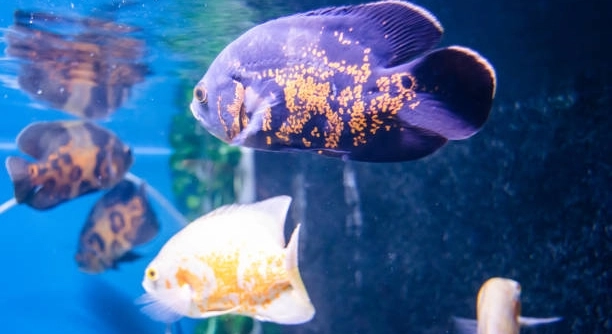
Oscar fish are known for their vibrant personalities, but when they act scared, it can be a concerning sight for any aquarium owner. Their sudden behavior change may leave you wondering what’s happening in their environment.
Oscar fish may display signs of fear or stress due to various factors, including changes in water quality, tank mates, or environmental conditions. Ensuring a stable environment, appropriate tank size, and compatible companions can help alleviate this issue.
Understanding these factors will help you address the cause of your Oscar fish’s behavior and restore peace to its habitat.
Possible Causes of Stress in Oscar Fish
When your Oscar fish starts acting scared, the first thing to consider is its environment. Sudden changes in water quality or temperature can stress the fish, making it behave erratically. Oscars are sensitive to poor water conditions, which can include high ammonia or nitrite levels. Even slight shifts in temperature can trigger signs of fear, such as hiding or rapid swimming. Keep the tank’s water parameters in check to ensure your fish feels comfortable. If there are any sudden changes, such as cleaning the tank too thoroughly or introducing new equipment, your Oscar may become anxious.
The addition of new tank mates is another factor that can cause stress. Oscars are territorial fish, and they may act defensively or display fear if they feel threatened. This behavior can lead to hiding or a lack of appetite, signs of a stressed fish.
Maintaining a peaceful environment for your Oscar involves careful attention to water quality, tank mates, and avoiding sudden changes. It’s crucial to monitor these factors regularly to prevent unnecessary stress and ensure your fish’s well-being.
Improper Tank Size and Conditions
An overcrowded tank can lead to your Oscar feeling cramped, which causes stress. Oscars need plenty of space to swim freely. If the tank is too small or lacks proper filtration, the fish may feel anxious or trapped. Without enough room to move, Oscars may retreat to corners, become more aggressive, or show signs of fear.
A tank that is too small also limits the quality of life for your Oscar. These fish can grow quite large, up to 18 inches, and require at least a 75-gallon tank to thrive. Without enough space, they are more likely to feel threatened or overwhelmed, which can lead to fear-based behaviors. A larger tank will allow the fish to swim and explore, reducing the chance of stress and fear.
Ensuring your Oscar fish has a properly sized tank is vital. If you notice your fish hiding or acting fearful, consider upgrading its tank to one that provides adequate space.
Water Quality and Its Effect on Oscars
Water quality plays a significant role in your Oscar fish’s behavior. Poor water conditions can lead to stress, making the fish act fearfully or defensively. Oscars are especially sensitive to toxins like ammonia and nitrites. Regular water changes are necessary to maintain clean, healthy water.
Oscars need stable water parameters to feel safe. Inadequate filtration can cause the water to become toxic, leading to stress and fear. A water test kit can help ensure the ammonia, nitrite, and nitrate levels are within acceptable ranges. Water temperature is also crucial, as extreme fluctuations can make the fish uneasy. Keeping the water clean and stable will help your Oscar feel comfortable.
Regular water changes and proper filtration are essential for your Oscar’s well-being. If your fish is acting scared, it may be time to test the water quality and make adjustments. A stable, clean environment will allow your Oscar to thrive without fear.
Tank Mates and Social Dynamics
The presence of other fish can greatly impact your Oscar’s behavior. Oscars are known to be territorial, and new tank mates can create tension. Adding aggressive or overly active fish can trigger defensive reactions in your Oscar, causing it to become fearful.
When introducing new fish, it’s important to choose compatible species. Oscars generally do best with other large, peaceful fish. Smaller or more aggressive tank mates can stress your Oscar, leading to fearful or erratic behavior. Even fish that seem peaceful may cause stress if they invade your Oscar’s territory. It’s important to observe how your fish responds to others in the tank.
Creating a peaceful social environment is key to reducing stress in your Oscar. If you notice that your Oscar is acting scared due to tank mates, try rearranging the tank or removing incompatible fish. A harmonious tank environment can reduce stress and help your Oscar feel more secure.
Tank Environment and Hiding Spots
Your Oscar may act scared due to a lack of hiding spots in its tank. Fish need places to retreat when they feel threatened. Without these spaces, your Oscar may become more anxious, hiding in corners or constantly swimming in search of safety.
A well-decorated tank with plenty of hiding places can reduce your Oscar’s stress. Adding plants, rocks, or caves allows the fish to feel secure. Oscars may prefer to hide during certain times of the day or when they are startled by movement outside the tank. Providing these hiding spots encourages natural behavior and less fear.
Creating a comfortable, secure space for your Oscar will allow it to feel less threatened. The presence of hiding spots in the tank helps reduce anxiety, allowing your fish to adjust to its environment and feel safer.
Overfeeding and Health Impacts
Overfeeding your Oscar can lead to digestive issues, which might cause stress or discomfort. Oscars may act scared or lethargic if they are unable to process the excess food in their system. It is important to monitor feeding amounts.
Excess food in the tank can also degrade water quality, leading to stress. Uneaten food can pollute the water, triggering behavioral changes in your fish. Sticking to a feeding schedule with appropriate portions will help prevent overfeeding. Oscars typically require less food than many owners realize. Too much food can also contribute to weight gain, making the fish feel sluggish and uneasy.
Lighting and Noise
Oscars are sensitive to light and noise. Too much exposure to bright lights or loud sounds can cause fear, making the fish act timid or agitated. It’s important to ensure that the tank is in a quiet, calm area.
Excessive noise from nearby appliances or loud movements around the tank can stress your Oscar. High-intensity lighting may also be unsettling, as Oscars prefer softer, dimmer lights in their environment. Ensuring a peaceful, low-stress setting around the tank will help your Oscar remain calm and reduce signs of fear.
FAQ
Why is my Oscar fish hiding all the time?
Oscar fish are known to hide when they feel stressed, threatened, or unsafe. If your fish is constantly hiding, it could be a sign of poor water quality, changes in the tank environment, or incompatible tank mates. Oscars are territorial and may seek refuge when they feel their space is being invaded. Providing hiding spots such as caves or plants can help reduce this behavior. Additionally, ensure your water parameters are stable and that the tank mates are non-threatening to the Oscar. Stress can also stem from sudden changes in the tank, such as changes in lighting or water temperature.
How can I stop my Oscar fish from being scared?
To reduce fear in your Oscar fish, first focus on maintaining a stable tank environment. Ensure the water quality is optimal by regularly checking for ammonia, nitrite, and nitrate levels. Oscars are sensitive to fluctuations in water temperature, so aim for a consistent temperature between 75-80°F. Providing plenty of space and hiding spots can also help your fish feel more secure. Avoid overfeeding and ensure your tank mates are compatible with your Oscar to prevent aggression. Lastly, reduce noise and bright lighting, as these factors can stress the fish.
Is it normal for my Oscar fish to swim frantically?
Frantic swimming in Oscar fish is often a sign of stress. This can be caused by poor water quality, overcrowding, or aggressive tank mates. Oscars are large, active fish that require enough space to swim freely. If they feel trapped or threatened, they may swim erratically as a way to escape perceived danger. Ensure that your tank is appropriately sized and has good filtration to maintain water quality. It’s also important to avoid adding aggressive fish or too many tank mates that could cause stress.
What should I do if my Oscar fish is not eating?
Loss of appetite in Oscar fish can be caused by a variety of factors, including poor water quality, stress, illness, or inappropriate tank mates. Start by checking the water parameters to ensure that they are within safe ranges. If the water is too dirty, it can affect your fish’s appetite. Make sure your Oscar is not feeling threatened by other fish in the tank. If there are no issues with the environment, your fish may be sick, and it might be worth consulting a vet for further guidance.
How can I help my Oscar fish feel more comfortable in its tank?
To make your Oscar fish feel more comfortable, create a secure and stable environment. Start with a well-maintained tank that is large enough for the Oscar to swim freely. Keep the water clean by performing regular water changes and maintaining the proper temperature. Add hiding spots like caves, plants, or rocks where the fish can retreat if it feels threatened. Ensure that any tank mates are compatible with Oscars and won’t cause aggression. Reducing bright lights and noise will also help your fish feel more at ease.
Why is my Oscar fish showing signs of aggression?
Oscar fish are naturally territorial and may display aggression, especially if they feel their space is being invaded. This behavior is more common when they are kept with smaller or less dominant fish. However, aggression can also be triggered by stress factors such as poor water quality, overcrowding, or changes in the environment. If your Oscar is acting aggressively, consider increasing the tank size, improving water quality, or removing aggressive tank mates. Adding more hiding spots can also provide your Oscar with a place to retreat and reduce tension.
Can a tank size too small cause stress for my Oscar fish?
Yes, a tank that is too small can cause significant stress for your Oscar fish. Oscars are large fish and need plenty of space to swim and establish their territory. A tank that is too small will make the Oscar feel cramped, leading to stress behaviors such as hiding, swimming frantically, or aggression. For a single Oscar, a tank size of at least 75 gallons is recommended. Larger tanks are always better, as they allow for more space to swim and provide more room for adding compatible tank mates.
What kind of tank mates are suitable for Oscar fish?
Oscar fish generally do best with other large, peaceful fish that won’t intimidate them. Suitable tank mates include other large cichlids, such as Jack Dempseys or Green Terrors, as well as some types of catfish and large tetras. Avoid smaller fish, as they may become prey to your Oscar. Also, steer clear of aggressive fish that may compete with your Oscar for space and food. It’s important to introduce new tank mates gradually and monitor the interactions between the fish to ensure compatibility.
How do I know if my Oscar fish is stressed?
Stressed Oscar fish may show several signs, including hiding, swimming erratically, refusal to eat, or displaying aggressive behavior. If your Oscar appears to be frightened, constantly hiding, or acting lethargic, it could be a sign that something is wrong with its environment or health. Changes in water quality, temperature fluctuations, and incompatible tank mates are common stress triggers. Observe your fish closely and check its surroundings to pinpoint any potential issues. A stressed fish may also develop visible signs of illness, such as faded color or sores, which may require medical attention.
Can lighting affect my Oscar fish’s behavior?
Yes, lighting can significantly affect your Oscar fish’s behavior. Oscars are sensitive to bright lights and may become stressed or disoriented if the tank is too brightly lit. Too much light can also cause them to become more skittish, leading to erratic swimming or hiding. To reduce stress, provide softer, dimmer lighting in the tank. You may also want to limit the amount of time the lights are on each day, mimicking a more natural day-night cycle. Reducing lighting intensity can help your Oscar feel more comfortable and relaxed in its environment.
Final Thoughts
When your Oscar fish starts acting scared, it’s often a sign that something in its environment is causing stress. It could be anything from water quality issues to inappropriate tank mates or even the lighting around the tank. Understanding what’s bothering your Oscar is key to resolving the problem and helping your fish feel safe again. Observing your fish closely and paying attention to any changes in behavior will give you the insight needed to address the issue. Making adjustments to the tank environment, such as providing hiding spots or improving water quality, can go a long way in reducing stress.
Creating a stable and secure environment is crucial for the well-being of your Oscar. This includes maintaining the right water temperature, ensuring the tank is large enough, and providing adequate filtration to keep the water clean. Additionally, considering the size and temperament of tank mates is essential. Oscars are territorial fish and may become stressed if they feel their space is being invaded by smaller or more aggressive fish. Providing hiding places like plants or caves can help your Oscar feel more comfortable and reduce its fear. Keeping the environment calm and consistent will help your Oscar thrive.
Ultimately, understanding the needs of your Oscar fish and addressing stressors in its environment will lead to a healthier and happier fish. With the right care, your Oscar can live a long, peaceful life in your aquarium. Regularly monitoring the water quality, feeding appropriately, and reducing potential stressors will ensure your fish remains active and content. If your Oscar’s behavior doesn’t improve despite your efforts, it may be worth consulting a professional to rule out any underlying health issues.

Hello,
If you enjoy the content that we create, please consider saying a "Thank You!" by leaving a tip.
Every little bit helps us continue crafting quality advice that supports the health, happiness, and well-being of pets around the world, for pets of all shapes, sizes, and species.
We really appreciate the kindness and support that you show us!