
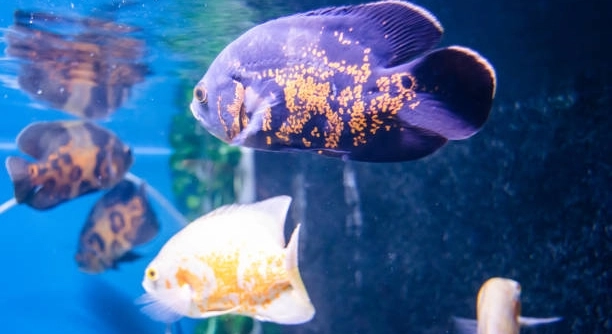
Oscar fish are known for their playful and curious behavior. However, if you notice your Oscar acting disoriented, it might indicate an underlying issue. It’s important to understand the reasons behind such behavior to ensure their health and well-being.
Oscar fish may exhibit lost or disoriented behavior due to stress, water quality issues, or changes in their environment. Additionally, they could be reacting to tank mates, or health problems such as parasites or illness that need attention.
Addressing these concerns will help maintain your Oscar’s health and prevent further issues. Identifying the root cause can ensure a happy and thriving fish in your aquarium.
Stress and Changes in the Environment
Oscar fish are sensitive to changes in their surroundings. Any sudden shift in water temperature, lighting, or decorations can trigger stress. A common reaction to stress is unusual or erratic swimming patterns, which may make your Oscar appear lost. These fish thrive in stable environments, so providing consistency is crucial for their well-being.
To help reduce stress, consider maintaining a regular tank routine. Avoid frequent changes in the tank, such as moving plants or decorations, which could disturb your fish. Keeping the water temperature and pH at the optimal level will also prevent stress-related behavior. Stress can also cause Oscar fish to become more aggressive, leading to further disruptions in their behavior.
Sometimes, the presence of new tank mates can contribute to your Oscar’s disorientation. Fish are territorial, and the introduction of a new fish may cause your Oscar to feel threatened. In such cases, it’s best to monitor interactions closely and ensure the tank has enough space for everyone.
Poor Water Quality
Water quality plays a significant role in your Oscar’s health. Poor water conditions are often a hidden cause behind abnormal behavior. If the water is too dirty or lacks proper filtration, it can stress the fish, leading to signs of confusion or erratic swimming.
Test the water regularly for ammonia, nitrites, and nitrates. A water change may be necessary if levels are off. Additionally, ensuring the tank is adequately filtered can prevent toxins from accumulating, which will help keep your Oscar fish healthy and calm.
Illness or Parasites
Oscar fish can act strangely if they’re dealing with illness or parasites. Signs like disorientation, lethargy, or abnormal swimming may indicate a health issue. These fish are vulnerable to several common diseases, including fungal infections, internal parasites, or external parasites like ich.
If you notice your Oscar behaving oddly, it’s essential to examine its skin for any visible signs of disease, such as spots or lesions. You should also check for bloating, clamped fins, or reduced appetite. A proper diagnosis from a vet or experienced aquarist is important for determining the next steps. In some cases, medication or a separate quarantine tank may be needed for treatment.
Many illnesses and parasites can be treated with over-the-counter solutions, but early detection is key. Maintain a clean tank to prevent the spread of disease. Regular water changes and proper feeding practices also promote your Oscar’s overall health, helping to avoid illness in the future.
Inadequate Tank Size or Overcrowding
Oscar fish are large and require plenty of space. A tank that is too small can lead to stress and erratic behavior. They need room to swim freely, so a tank that’s under 75 gallons may not be suitable for adult Oscars.
Overcrowding is another issue. Too many fish in the tank can create competition for space, oxygen, and food, leading to increased stress for your Oscar. Aggression may increase, and your fish might display strange behavior. To avoid overcrowding, ensure you have a properly sized tank that provides enough room for all your fish.
If you notice any signs of aggression or discomfort in your Oscar, consider reducing the number of fish in the tank. It’s important to give each fish the space it needs to thrive and reduce the chances of stress-related behavior.
Improper Diet
Oscar fish can act oddly if they’re not getting the proper nutrition. A lack of variety in their diet may cause them to feel sluggish or disoriented. Make sure your fish is eating high-quality food suitable for their species, like pellets, frozen, or live foods.
Feeding them a balanced diet is crucial for their health. Oscars are carnivorous and need proteins from fish, shrimp, and insects. Inadequate or imbalanced food can lead to nutrient deficiencies, affecting their energy and behavior. Consider rotating their meals to provide a broader range of nutrients and keep them healthy.
Tank Mates
Tank mates can significantly affect your Oscar’s behavior. Oscars are territorial, and adding fish that challenge their space may stress them out. They might act lost or withdrawn if they’re constantly confronted by other fish.
It’s important to select peaceful, compatible species when stocking your tank. Avoid overcrowding or placing aggressive fish with Oscars, as it will only lead to anxiety. Monitor their interactions carefully and ensure each fish has its space to avoid unnecessary stress.
FAQ
Why is my Oscar fish swimming in circles?
Swimming in circles can be a sign of stress, boredom, or a health issue. If your Oscar is continuously swimming in circles, check the water quality and temperature to ensure they’re within the right range. Poor water conditions or a lack of hiding spaces could be contributing to this behavior. Additionally, if your Oscar is alone or lacks mental stimulation, it may begin swimming in repetitive patterns out of boredom. Adding more décor or tank mates may help alleviate this.
Is it normal for my Oscar fish to stay at the bottom of the tank?
It’s not uncommon for Oscars to rest at the bottom of the tank, but excessive bottom dwelling may signal a health problem. It could be a sign of stress, poor water quality, or illness. If your fish is lethargic, breathing heavily, or has faded coloration, a visit to a veterinarian may be necessary. Also, check the water temperature and oxygen levels to ensure they’re ideal for your Oscar. Sometimes, tank mates or changes in the environment can also lead to this behavior.
How do I know if my Oscar fish is stressed?
Signs of stress in Oscar fish include erratic swimming, hiding, aggression, or a loss of appetite. Stress can stem from a variety of factors such as water quality, overcrowding, or inappropriate tank mates. If your fish is rubbing against objects in the tank, it may be trying to relieve irritation caused by poor water conditions. Maintaining a stable environment, monitoring water parameters, and reducing aggressive tank mates can help alleviate stress.
Can Oscars get along with other fish?
Oscar fish can get along with other fish, but only if they’re compatible. They are known to be territorial, so it’s important to choose tank mates carefully. Oscars are best housed with larger, robust fish that won’t challenge their space. Avoid small or timid fish, as they might be intimidated or eaten. Always monitor interactions, as Oscars may show aggression toward other fish if they feel threatened or overcrowded.
Why is my Oscar fish turning pale?
Paleness can be an indication of stress, illness, or poor water conditions. Oscars may lose their vibrant colors when they’re stressed, especially if the water is too dirty or not properly maintained. Illnesses such as parasites or internal infections can also cause color changes. If your Oscar is pale and showing other signs of illness like loss of appetite or lethargy, it’s essential to check water parameters and consult a veterinarian for treatment.
How often should I feed my Oscar fish?
Oscar fish should be fed 2-3 times a day, depending on their age and size. Juvenile Oscars need more frequent feedings, while adults can be fed once or twice daily. Overfeeding can lead to water quality issues and obesity, so it’s important to provide appropriate portion sizes. Make sure to feed a varied diet, including pellets, live food, and frozen options to ensure your Oscar receives all the necessary nutrients.
Can I keep an Oscar fish in a smaller tank?
Oscar fish require a lot of space due to their size. A tank that is too small can cause stress and lead to poor health. A minimum of 75 gallons is recommended for one adult Oscar fish, with an additional 50 gallons for each additional fish. A larger tank allows your Oscar to swim freely and provides space for proper filtration and water circulation. Avoid cramping your Oscar into a tank that’s too small, as this can lead to aggressive behavior and health problems.
Why is my Oscar fish not eating?
If your Oscar is not eating, it could be a sign of stress, illness, or poor water conditions. Oscars can lose their appetite if they’re feeling threatened, uncomfortable, or unwell. Check water quality and make sure there are no other issues like aggressive tank mates. If the problem persists, your Oscar may be dealing with parasites, internal infections, or other health issues that require veterinary attention.
How do I treat a sick Oscar fish?
To treat a sick Oscar, start by isolating it in a quarantine tank to prevent the spread of disease. Ensure that the quarantine tank has the proper water conditions and is free from stressors. You can treat many common diseases with over-the-counter medications, but it’s important to first identify the issue. If you’re unsure, consulting a vet experienced with fish is the best option. Always follow the recommended dosage for medications and continue monitoring the fish’s condition.
What is the best filtration system for an Oscar tank?
Oscars produce a lot of waste, so a high-quality filtration system is essential. A canister filter or a large, powerful internal filter is often recommended for Oscar tanks. The filter should be capable of turning over the water volume at least 3-5 times per hour. This helps maintain clean water and ensures proper oxygenation. Make sure the filter is well-maintained to prevent clogging and keep the water parameters stable.
Why does my Oscar fish keep hiding?
Hiding can be a sign that your Oscar is stressed, unwell, or trying to avoid a perceived threat. It may be reacting to aggressive tank mates or feeling insecure due to changes in its environment. Ensure that your Oscar has enough hiding spots in the tank, such as caves or plants, to make it feel safe. If hiding continues, check for signs of illness or deteriorating water quality.
Final Thoughts
Oscar fish are beautiful and fascinating creatures, but they can display unusual behavior when something in their environment isn’t quite right. It’s important to pay attention to their habits and look for any signs of distress, such as swimming in circles, staying at the bottom of the tank, or acting lethargic. These behaviors are often signals that something needs to be addressed, whether it’s the water quality, diet, or tank mates. By observing your Oscar and acting promptly when you notice changes, you can help ensure that it stays healthy and happy.
A major factor in maintaining a healthy Oscar is providing the right environment. This includes having a large enough tank, proper filtration, and maintaining consistent water conditions. Oscars are territorial and require space to swim freely, so overcrowding can lead to stress and aggressive behavior. Along with this, providing a varied diet of live, frozen, and pellet foods will keep your Oscar well-nourished. By giving them a clean, spacious tank and a balanced diet, you’ll be creating an environment where they can thrive.
Lastly, remember that understanding and addressing your Oscar’s needs requires patience and ongoing attention. It’s essential to monitor water quality regularly, ensure that they’re getting the proper nutrients, and be mindful of the social dynamics within the tank. If your Oscar’s behavior seems unusual or it appears unwell, don’t hesitate to consult a professional. A veterinarian or an experienced aquarist can help diagnose and treat any issues. With the right care and a little attention to detail, your Oscar can remain a healthy, vibrant companion for years to come.

Hello,
If you enjoy the content that we create, please consider saying a "Thank You!" by leaving a tip.
Every little bit helps us continue crafting quality advice that supports the health, happiness, and well-being of pets around the world, for pets of all shapes, sizes, and species.
We really appreciate the kindness and support that you show us!