
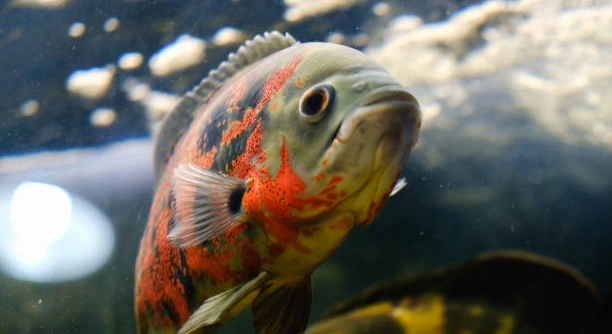
Oscar fish are known for their vibrant personalities, but if your Oscar is acting lethargic, it can be concerning. Understanding the possible causes behind their behavior is crucial for maintaining their health and well-being.
Oscar fish may show signs of lethargy due to factors like water quality issues, stress, or illness. Poor water conditions, especially high ammonia levels, can lead to lethargy. Additionally, changes in the environment or improper diet may contribute to this behavior.
Knowing the reasons behind your Oscar’s lethargy will help you take appropriate action. Monitoring their environment and diet is essential for restoring their energy and overall health.
Water Quality Issues
Poor water quality is one of the main reasons your Oscar fish may become lethargic. Ammonia, nitrites, and nitrates can build up in the tank if the water isn’t properly filtered or changed regularly. High ammonia levels are particularly harmful and can cause your fish to lose energy. Oscars are sensitive to their environment, so maintaining clean water is crucial for their health. Regular water testing can help you monitor these levels and keep your Oscar in a comfortable, stress-free habitat. Without proper filtration or regular water changes, your fish may experience prolonged stress, leading to sluggish behavior.
Maintaining the correct water conditions is vital to keeping your Oscar fish active. Regular water changes, along with proper filtration, will help maintain clean water.
Testing your water every few days will keep harmful substances in check. The pH levels, hardness, and temperature should also be monitored to ensure your Oscar is comfortable. When water quality is compromised, the fish’s immune system weakens, making them more susceptible to illness.
Stress Factors
Stress is another major factor that can cause lethargy in Oscar fish. Rapid changes in the tank environment, like sudden shifts in water temperature or new tank mates, can overwhelm them. Oscars are territorial and may feel threatened by other fish, leading to stress and inactivity. Also, loud noises and vibrations near the tank can disturb their peace, making them feel unsafe. Even overfeeding or poor tank conditions can increase stress levels.
Addressing stress involves creating a stable, quiet environment for your Oscar fish. Avoid sudden changes to their surroundings.
Proper tank setup, with plenty of hiding spaces, can reduce stress. Ensuring they have enough space to swim comfortably will help keep them active and engaged. Oscars are naturally energetic, and stress-free conditions will allow them to thrive.
Illness and Disease
Illness or disease can make an Oscar fish appear lethargic. Common conditions like bacterial infections, parasites, or internal worms can drain their energy. Infected Oscars may also show signs like unusual spots, redness, or loss of appetite. If your fish is acting unusually slow or unresponsive, checking for these signs is important. Early intervention can prevent the illness from worsening.
Consulting a vet or aquatic specialist can help identify the issue. Treating diseases often involves medication or adjusting the tank environment to promote recovery.
For Oscars, ensuring they have a healthy immune system can prevent illness. A well-balanced diet, stable water conditions, and regular observation will help you catch problems early. Don’t ignore changes in behavior, as early detection can make a big difference in your fish’s recovery.
Poor Diet
A poor diet can contribute to lethargy in your Oscar. Oscars need a varied diet rich in proteins, such as pellets, live foods, or frozen options. Without the right nutrients, they may lack the energy to stay active. Overfeeding or offering the wrong types of food can also cause digestive issues. Oscars that are underfed or fed improperly may lose weight and become sluggish.
Proper feeding involves giving your Oscar the right portion sizes and food types. Offering a variety of foods will ensure they get the necessary vitamins and minerals.
Providing high-quality food can support your Oscar’s overall health and vitality. It’s also important not to overfeed, as this can lead to obesity and other health problems. Regular feeding schedules will keep them energized and active, which will help prevent lethargy.
Tank Size and Space
An Oscar fish needs enough space to swim and explore. A cramped tank can make them feel confined and cause stress, leading to lethargy. Oscars require a tank of at least 75 gallons, with extra space if you plan to keep more fish. If they don’t have room to move around, they may become inactive.
Adding plants, rocks, or other decorations can provide hiding spots, helping them feel more secure. Oscars thrive in large, spacious environments.
A larger tank with the proper setup allows your Oscar to move freely, reducing stress and promoting active behavior.
Water Temperature
Water temperature plays a big role in your Oscar’s activity level. Oscars thrive in warmer waters between 74-80°F (23-27°C). If the water is too cold, they will become sluggish and may lose their appetite. Consistent temperature is key, as sudden drops can shock your fish and make them lethargic.
Investing in a reliable heater can help maintain the temperature within the optimal range. Fluctuating temperatures should be avoided to prevent stress.
Oscars need stable water conditions to stay healthy and active. A heater can provide consistency, ensuring they’re comfortable and energetic in their environment.
Overcrowding
Overcrowding a tank can lead to stress and lethargy in Oscars. When too many fish share a small space, they feel threatened and cannot establish territories. This stress can make them less active and more vulnerable to disease. Proper stocking is essential to keep your fish happy and healthy.
Make sure your Oscar has enough space to feel comfortable. Avoid adding too many tank mates.
FAQ
What are the signs of a sick Oscar fish?
A sick Oscar fish may show signs such as loss of appetite, unusual swimming behavior, discoloration, or visible sores on the body. Lethargy, abnormal breathing, and hiding more than usual are also red flags. If you notice any of these changes, it’s important to monitor their behavior and check their environment. Early identification of symptoms helps in treating potential health problems.
How can I improve the water quality for my Oscar?
To improve water quality, regular water changes are crucial. A 25-30% water change every week helps maintain clean and safe conditions. Ensure your tank has a good filtration system that removes toxins like ammonia, nitrites, and nitrates. Regularly testing the water for these harmful substances can help maintain balance. The pH, hardness, and temperature should also be checked regularly.
Can stress cause lethargy in Oscars?
Yes, stress can lead to lethargy in Oscars. Stress can be caused by environmental changes, poor tank mates, overcrowding, or even sudden temperature fluctuations. A stressed Oscar may hide more, swim less, or stop eating. Reducing stress by creating a stable and peaceful environment is key to keeping your fish active and healthy.
What should I feed my Oscar fish?
Oscars require a varied diet that includes protein-rich foods like pellets, frozen or live foods such as worms, shrimp, and fish. They can also benefit from occasional vegetable matter like peas or leafy greens. Feeding them a balanced diet ensures they have enough energy and nutrients to stay active. Avoid overfeeding, as this can lead to obesity and water quality issues.
How can I prevent my Oscar from getting sick?
To prevent illness, maintain clean water, feed a well-balanced diet, and ensure the tank is the correct size. Quarantining new fish before introducing them into the tank can also help prevent the spread of diseases. Regularly observe your Oscar for any signs of sickness and address any issues early. Stress management is also essential for keeping your fish healthy.
Why is my Oscar swimming erratically?
Erratic swimming can be a sign of stress, illness, or poor water conditions. If your Oscar is swimming in circles, darting around, or acting unusually, it’s important to check the water quality and temperature first. If the conditions are fine, then stress or illness could be the cause. A vet or aquatic specialist can help determine the exact issue.
Can temperature changes affect my Oscar’s health?
Yes, sudden changes in water temperature can cause stress and lethargy in your Oscar. Oscars prefer a stable temperature between 74-80°F (23-27°C). Temperatures outside this range can weaken their immune system, making them more susceptible to illness. Using a reliable heater and thermometer will help maintain consistent temperatures in the tank.
Is it normal for an Oscar to hide a lot?
Oscars are naturally curious and active, but they may hide more if they are feeling stressed or unwell. If your Oscar is hiding frequently, it could be a sign of illness or discomfort. Ensuring a stable tank environment, proper tank mates, and a balanced diet can help reduce hiding behavior. If the hiding persists, it’s a good idea to check for potential health issues.
How often should I feed my Oscar?
Oscars should be fed once or twice a day, depending on their age and size. Young Oscars may need more frequent feedings, while adults should have a consistent feeding schedule to avoid overfeeding. Be mindful of portion sizes and ensure they’re eating a balanced diet. Leftover food can affect water quality, so remove any uneaten food promptly.
How do I know if my Oscar is overweight?
An overweight Oscar may have a bloated appearance, with its stomach appearing rounder than normal. It may also swim less and become more lethargic. Overfeeding is the main cause of obesity in Oscars, so it’s important to monitor portion sizes and feed them the right amount of food. If you suspect your Oscar is overweight, reduce its food intake and provide a more balanced diet.
What can I do if my Oscar is not eating?
If your Oscar isn’t eating, it could be due to stress, water quality issues, or illness. First, check the water parameters and ensure the temperature is stable. Stress from changes in the environment or new tank mates can also affect their appetite. If the problem persists, monitor for other symptoms of illness and consider consulting an aquatic vet.
Final Thoughts
Oscar fish are energetic and captivating creatures, but they can experience lethargy for various reasons. Whether it’s due to poor water quality, an improper diet, stress, or an underlying illness, recognizing the signs early is crucial. A healthy Oscar should be active, curious, and engaged in its environment. Any change in behavior, especially persistent lethargy, should be addressed promptly to avoid worsening conditions. By maintaining a proper tank setup and providing the right care, you can help your Oscar thrive.
Regular water changes, a balanced diet, and a well-maintained tank are essential for an Oscar’s overall health. Keeping an eye on the water temperature and avoiding overcrowding will also ensure your fish remains comfortable and less prone to stress. It’s important to remember that Oscars need plenty of space to swim and explore, as confined spaces can lead to behavioral issues like lethargy. Observing your fish daily for any signs of distress will help you catch problems early and address them before they become severe.
Lastly, a consistent and stable environment will greatly benefit your Oscar. Sudden changes in water conditions or tank mates can cause unnecessary stress, leading to lethargy. Regular monitoring of the tank conditions, proper feeding schedules, and creating a stress-free environment will keep your Oscar fish active and healthy. Always be proactive when it comes to any changes in their behavior and ensure you’re providing the best care possible for their long-term well-being.

Hello,
If you enjoy the content that we create, please consider saying a "Thank You!" by leaving a tip.
Every little bit helps us continue crafting quality advice that supports the health, happiness, and well-being of pets around the world, for pets of all shapes, sizes, and species.
We really appreciate the kindness and support that you show us!