
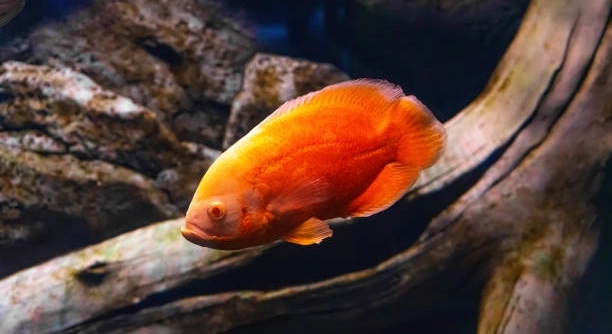
Oscar fish are known for their bold personalities, but if your Oscar fish is acting clingy, it might leave you wondering what’s going on. Their behavior can change for several reasons, and it’s important to understand why.
Clingy behavior in Oscar fish is often linked to changes in their environment or health. Stress, water quality issues, or a lack of stimulation can cause them to seek constant interaction with their owners. Observing their environment closely can help identify the cause.
Identifying the root of your Oscar’s clinginess will help you make the necessary adjustments. This article will cover common reasons behind this behavior and offer tips to help your fish feel more comfortable.
Stress from Environmental Changes
Oscar fish can be very sensitive to changes in their environment. Even small shifts in water temperature, pH, or lighting can stress them out, leading to clingy behavior. They are particularly susceptible to any major changes in their tank, like moving to a new home or changing the filtration system. When these changes happen, your Oscar might start acting clingy because it’s looking for stability and reassurance. They might swim closely to the sides of the tank or even follow you around, hoping for some sense of security.
A sudden move or water change can unsettle them.
To avoid this, try to make changes gradually. If you need to adjust the water conditions or introduce new elements, do so slowly to give your Oscar time to adapt. Stability in its environment is key for a healthy, balanced fish life. A consistent routine, including feeding and light cycles, will also help your fish feel secure and calm. Monitoring the tank’s temperature, pH, and other conditions regularly can help prevent unnecessary stress and discomfort.
Illness or Injury
Sometimes, clingy behavior is a sign that your Oscar is not feeling well. If they are dealing with illness or injury, they might seek comfort or act differently than usual. When in distress, fish often try to stay near a familiar figure, like their owner, for reassurance. If you notice your Oscar suddenly becoming more clingy, it’s essential to check for physical signs of illness, such as swollen fins or unusual swimming patterns. A sudden shift in behavior could also signal an injury from fighting with tankmates or an accident in the tank.
Keeping a close eye on the fish’s behavior is important.
If you suspect your Oscar is sick, you should immediately isolate it from other fish to prevent further spread of illness. It’s best to consult a vet or a fish specialist to ensure that your Oscar receives the correct treatment. Regular water changes and a clean tank are also necessary to maintain good health. If the clinginess persists, it’s crucial to address the issue quickly to prevent further harm to your fish.
Tankmates and Territory
Oscar fish are territorial creatures, and the presence of other fish can affect their behavior. If they feel threatened or crowded, they may become more clingy as they try to assert dominance or seek safety. In particular, Oscar fish are known to be aggressive, especially if their tankmates are too small or too similar in behavior. If there are constant territorial disputes, the Oscar may act clingy to avoid conflict or to find a place where it can feel protected.
When it comes to tankmates, space matters.
A spacious tank with plenty of hiding spots will help reduce stress for your Oscar. This way, they can retreat to a safe space when they feel overwhelmed. Also, make sure the other fish in the tank are compatible with the Oscar’s temperament. Large, peaceful fish tend to get along well with Oscars, but smaller, aggressive fish can make things more tense. Keeping tankmates that are compatible will minimize the stress caused by territorial behavior and prevent your Oscar from feeling overly clingy.
Poor Water Quality
If the water in your Oscar’s tank is dirty or out of balance, it can lead to clingy behavior. Oscar fish are sensitive to changes in water quality, and poor conditions can cause them to act in ways that signal distress. High levels of ammonia, nitrites, or low oxygen levels can stress them out, leading to behavior like swimming near the surface or following you around. Keeping the water clean is key to your Oscar’s health.
Regular water changes and filtration help maintain water quality.
Testing the water regularly for ammonia, nitrites, and pH levels can help you detect any problems early. Additionally, ensure that your tank has proper filtration to keep the water clear. A good filtration system will remove harmful toxins and improve oxygen levels, allowing your Oscar to thrive. Clean the tank, change the water weekly, and remove any uneaten food to prevent the buildup of waste. A clean and well-maintained tank creates a healthier environment for your Oscar fish and reduces clingy behavior caused by poor water quality.
Feeding Habits and Overfeeding
Overfeeding can lead to clingy behavior in Oscar fish, as they associate you with food. If your fish is constantly hungry, it may stay close to the glass or follow you around, hoping for a meal. This is especially true if you feed them too often or give large portions. When they expect food too often, it can cause them to be more active and clingy.
It’s important to establish a proper feeding routine.
Oscar fish thrive when fed a balanced diet at regular intervals. Try feeding them once or twice a day, and be mindful of the portion sizes. Overfeeding can lead to water quality issues, as excess food decays and pollutes the water. A steady feeding schedule can help prevent clingy behavior by making sure your Oscar is satisfied and doesn’t associate you with constant meals. Stick to a consistent feeding routine to maintain both your Oscar’s health and its comfort level in the tank.
Lack of Stimulation and Boredom
Oscar fish can get bored just like any other pet, and boredom can lead to clingy behavior. These fish are intelligent and need mental stimulation to stay active. If they don’t have enough enrichment in their environment, they may turn to their owners for entertainment. Without toys or challenges in the tank, your Oscar might follow you around or act more clingy in hopes of something to do.
Providing stimulation can help reduce their need for constant attention.
Adding objects like rocks, plants, or tank decorations can help keep your Oscar engaged. You can also try introducing new tankmates that are compatible with their temperament to give them some social interaction. Movement in the tank, such as a bubbler or water current, will encourage natural behaviors and keep your Oscar stimulated. Keeping the environment dynamic and interesting can make a significant difference in reducing clingy behavior.
Water Temperature
Oscars prefer stable water temperatures, and sudden changes can lead to stress. If the temperature fluctuates too much, they might stay near the surface or become more clingy. Ideal temperatures range from 74°F to 81°F (23°C to 27°C). Keeping the tank temperature consistent can help your Oscar feel more at ease.
A reliable heater can help maintain the right temperature.
Using a good aquarium heater is essential to keep the water temperature stable. A thermometer can help monitor fluctuations and prevent your Oscar from becoming stressed. A steady, comfortable environment will reduce clinginess and promote your fish’s overall well-being.
Tank Size
Oscar fish are large and need plenty of space to swim. If your tank is too small, your Oscar will feel confined and stressed, which can lead to clingy behavior. For an adult Oscar, a tank size of at least 55 gallons is recommended. Smaller tanks can lead to territorial issues and anxiety.
A larger tank provides more space for your fish to thrive.
Having a larger tank allows your Oscar to move freely and avoid feeling cramped. It also gives them more room to establish a safe territory and reduces the chances of territorial disputes. More space means a more relaxed Oscar, less clingy behavior, and better health overall.
Routine and Interaction
Oscar fish can become attached to a routine, especially when it involves feeding times and interactions. If you regularly spend time near the tank or engage with your fish, it might start following you around, seeking attention. This behavior can be cute, but it may also indicate your Oscar is relying on these routines for comfort.
Consistency in your routine helps create a secure environment for your Oscar.
Maintaining a consistent feeding and interaction schedule helps your Oscar feel secure in its routine. However, if the clinginess becomes excessive, try adjusting the timing of interactions and avoid overfeeding. A healthy balance of attention and space will keep your Oscar happy without fostering dependency.
FAQ
Why is my Oscar fish following me around?
Oscar fish may follow you around because they associate you with food or attention. These fish are intelligent and can recognize their owners, making them more likely to follow you, hoping for interaction. If your Oscar is constantly close to the tank glass or swimming in circles when you’re near, it could be a sign that it’s looking for food or wanting to engage. However, if this behavior is excessive, it may indicate stress, boredom, or environmental issues that need attention.
How can I stop my Oscar fish from being clingy?
To reduce clinginess, ensure your Oscar has a proper environment that meets its needs. This includes providing a tank with enough space, maintaining clean water, and making sure the water temperature is stable. Additionally, provide enrichment, like decorations, rocks, or plants, and keep the feeding schedule regular. Avoid overfeeding, as this can cause your Oscar to become overly reliant on your presence for food. A well-balanced tank environment and consistency will help reduce clinginess.
Is it normal for an Oscar fish to be clingy?
Occasional clinginess in an Oscar fish is normal, especially during feeding times. These fish are social and can bond with their owners. However, constant clinginess or excessive behavior could signal stress or discomfort. It’s important to observe whether this behavior is linked to any changes in the tank, such as poor water quality, territorial issues, or inadequate space. If the clinginess becomes a pattern, it’s best to address potential underlying issues.
Can Oscar fish get lonely?
While Oscar fish are not as social as some other species, they can still experience loneliness, especially if they don’t have tank mates to interact with. These fish are territorial, but if kept in a large tank with compatible species, they may form social bonds. If your Oscar is the only fish in the tank, it might become clingy as a way to seek interaction. Adding compatible tank mates or increasing interaction with your Oscar may help reduce feelings of loneliness.
What is the ideal tank size for an Oscar fish?
Oscar fish need plenty of space to swim, as they grow to be quite large. For a single adult Oscar, a minimum tank size of 55 gallons is recommended. If you plan to keep more than one Oscar or other fish in the tank, consider a tank size of at least 75 gallons. A spacious tank helps prevent stress, reduces territorial behavior, and provides more space for your Oscar to explore, which can decrease clinginess.
How often should I feed my Oscar fish?
Oscar fish should be fed once or twice a day, depending on their age and size. It’s important to avoid overfeeding, as excess food can pollute the water and lead to health problems. A balanced diet of high-quality pellets, live food, or frozen food is ideal for Oscars. Stick to a regular feeding schedule to avoid creating an expectation of constant food availability, which may encourage clingy behavior.
Can Oscar fish become stressed from water quality issues?
Yes, Oscar fish are sensitive to water quality, and poor conditions can cause significant stress, leading to clingy behavior. High ammonia or nitrite levels, low oxygen, or improper pH can cause discomfort and result in changes in behavior. Regular water changes and proper filtration are essential to maintaining a healthy tank environment. Monitoring the water regularly and making adjustments as needed will help prevent stress-related clinginess.
What are signs that my Oscar fish is sick?
Sick Oscar fish may exhibit abnormal behavior, including increased clinginess. Other signs to watch for include changes in swimming patterns, lack of appetite, discolored skin, or visible wounds. If your Oscar is acting clingy and displaying other unusual symptoms, it’s important to check for signs of illness and address the issue promptly. Consult a vet specializing in fish or do a water quality check to rule out environmental causes.
Why does my Oscar fish swim at the surface?
Oscar fish may swim at the surface of the tank for a variety of reasons. They could be seeking oxygen, especially if the oxygen levels in the tank are low. They might also be looking for food or interacting with their owners. If your Oscar is spending too much time near the surface, check the oxygen levels in the tank, as poor water quality or a lack of surface agitation can lead to this behavior. Ensure your filtration system is functioning properly and the water is oxygenated.
Can Oscar fish live with other fish?
Oscar fish are known to be aggressive, particularly with smaller fish, and they may not be ideal tank mates for all species. However, they can live with other large, peaceful fish that won’t challenge their dominance. Good tankmates for Oscars include other large cichlids, catfish, and some species of large tetras. Avoid keeping Oscars with small, slow-moving fish, as they may become prey. It’s important to choose tankmates carefully and ensure enough space for everyone.
How do I know if my Oscar fish is happy?
A happy Oscar fish will swim actively around the tank, eat regularly, and interact with its environment. They may follow you around or come to the surface to greet you, especially if they associate you with feeding time. However, if your Oscar becomes lethargic, hides frequently, or shows signs of illness, it could indicate distress or discomfort. Regular water changes, a well-maintained tank, and a stable environment contribute to your Oscar’s overall happiness.
Why does my Oscar fish keep hiding?
If your Oscar fish is hiding often, it could be a sign of stress, illness, or territorial issues. Oscar fish may retreat to hiding spots in the tank if they feel threatened or unwell. It’s essential to check the tank conditions, including water quality, temperature, and tankmates. If your Oscar hides frequently and shows other symptoms, such as loss of appetite or discolored skin, it could be a sign of an underlying problem that needs attention.
Final Thoughts
Oscar fish are known for their unique and sometimes clingy personalities, which can make them fascinating and enjoyable pets. However, if your Oscar is constantly acting clingy, it’s important to understand the reasons behind this behavior. Clinginess can be caused by several factors, including stress, illness, poor water quality, and even the lack of stimulation. Identifying the root cause of the behavior is key to ensuring your Oscar is happy and healthy.
A stable and clean environment is crucial for your Oscar’s well-being. Maintaining good water quality, providing enough space, and making sure the water temperature is consistent can prevent many common issues that lead to clinginess. If your Oscar is constantly following you around or seems overly attached, it could be trying to communicate its discomfort. Whether it’s a sign of stress from environmental changes, illness, or simply a need for more attention, understanding what your fish is trying to express will help you address the situation.
It’s also important to remember that Oscars, like any pet, require attention and care. Regular feeding, water changes, and tank maintenance are all part of keeping your Oscar healthy and content. Clinginess can sometimes be a sign of affection, but when it becomes excessive, it may be pointing to a deeper issue. Taking the time to observe your Oscar’s behavior and making any necessary adjustments to its tank or routine can make a big difference. A balanced and stable environment will not only reduce clingy behavior but also help your Oscar thrive in the long term.

Hello,
If you enjoy the content that we create, please consider saying a "Thank You!" by leaving a tip.
Every little bit helps us continue crafting quality advice that supports the health, happiness, and well-being of pets around the world, for pets of all shapes, sizes, and species.
We really appreciate the kindness and support that you show us!