
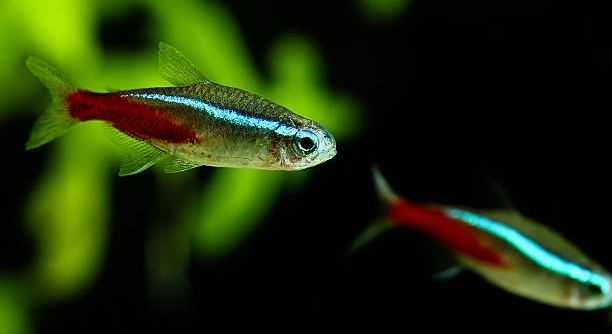
Is your neon tetra swimming around with a noticeably swollen belly, leaving you unsure about what could be causing the change? This common issue can be unsettling, especially when you’re trying to keep your fish healthy.
A swollen belly in neon tetras can result from overfeeding, constipation, swim bladder disease, dropsy, parasites, tumors, or pregnancy. Identifying the correct cause is essential for applying the appropriate care and preventing complications.
Understanding these potential causes will help you make better decisions for your fish and improve their quality of life in the tank.
Overfeeding and Constipation
Overfeeding is a common reason behind a swollen belly in neon tetras. These small fish have tiny stomachs, and even a little extra food can lead to digestive issues. Uneaten food may also sink to the bottom and affect water quality. When a tetra consumes too much or too frequently, it can experience constipation, which shows up as swelling in the abdominal area. You might also notice the fish swimming less or appearing lethargic. If your tetra has not passed waste in a while, that’s another sign of constipation. A swollen belly from overfeeding often goes away with proper care. It’s best to stop feeding for a day or two and monitor changes. You can also feed them a tiny piece of a peeled, boiled pea to encourage bowel movement. Keeping a consistent feeding schedule and offering high-quality, appropriately sized food helps prevent this issue in the future.
Feeding small amounts once or twice a day is enough. Always remove leftover food after a few minutes to keep the water clean.
If your tetra seems bloated, adjust its diet before assuming it’s sick. Simple changes can improve its condition. A cleaner tank and smaller meals help relieve swelling caused by overfeeding or constipation without needing medication or special treatment.
Swim Bladder Disorder
This issue affects buoyancy and causes visible swelling. Fish may float oddly, tilt, or struggle to maintain balance.
Swim bladder disorder in neon tetras is often linked to diet, water quality, or sudden temperature shifts. Overfeeding can compress the swim bladder, making it harder for the fish to stay upright. Poor water conditions can stress the tetra and weaken its immune system, increasing the risk of infection around the bladder. If your fish is bloated and having trouble swimming straight, this condition is likely. It’s important to act quickly. Start by not feeding for 24–48 hours, then offer easily digestible foods like cooked peas. Check and stabilize the tank temperature, ideally around 72–78°F. Maintain clean water with regular water changes and avoid sudden pH swings. In some cases, the disorder may be permanent if the organ is damaged. If no improvement is seen, isolating the fish may help reduce stress from other tankmates.
Dropsy
Dropsy causes severe swelling due to fluid buildup in the body cavity. The scales may stick out, making the fish look like a pine cone. This condition is usually a sign of internal infection or organ failure.
Treating dropsy can be difficult, especially in small fish like neon tetras. Early signs include a rounded belly, raised scales, and listless behavior. The condition often stems from poor water quality or an internal bacterial infection. Quarantine the fish immediately to prevent spreading illness. Add aquarium salt and keep the water extra clean. Some fishkeepers use antibiotic treatments in a hospital tank, but success varies. Feeding antibacterial food may help, though tetras are often too weak to eat by the time dropsy is visible. Prevention is the best approach—keep the tank clean, perform regular water changes, and feed a balanced diet.
Dropsy often indicates an advanced health issue and is difficult to reverse. Many fish do not recover. If symptoms appear, act quickly by isolating the fish and improving tank conditions. A stable tank with proper temperature, pH, and low nitrates reduces the risk. Regularly check for early signs so you can respond before the swelling becomes extreme or spreads to other fish.
Internal Parasites
Internal parasites are another possible reason for a swollen belly. Infected tetras may show other signs like weight loss, stringy feces, or lack of appetite. Contaminated food or new fish can introduce parasites into a tank.
Treating internal parasites requires a focused approach. First, isolate the sick fish in a separate tank to avoid spreading the infection. Then, use a medication designed for parasites, such as those with praziquantel or metronidazole. Follow the instructions carefully and avoid overmedicating. During treatment, keep the water clean and stress levels low. Remove any carbon from the filter, as it can absorb medications. Improve your fish’s diet with high-quality, parasite-free foods. Watch for signs of improvement, like increased appetite and normal feces. Treat the main tank as well if multiple fish show symptoms. Quarantining new fish before adding them to the tank can prevent this problem in the future.
Tumors
Tumors can cause noticeable swelling in neon tetras. These growths might be internal or external, and they usually appear as lumps on one side of the body. Most tumors in fish are not treatable and may worsen over time.
If the fish is still eating and swimming normally, the tumor might not need immediate action. However, if the swelling grows or affects the fish’s behavior, it’s best to separate it to reduce stress in the tank. Focus on maintaining water quality and minimizing additional stress.
Pregnancy
A female neon tetra carrying eggs may develop a round belly. This kind of swelling appears more even and is not usually paired with sluggishness or changes in swimming. If the fish is active and eating normally, the swelling is likely due to eggs. This is natural and temporary.
Egg Binding
Sometimes, a female may be unable to release her eggs. This condition, called egg binding, can lead to a swollen belly and stress. The fish may show signs of discomfort or lose interest in food. Gentle temperature changes and clean water may help ease the issue naturally.
FAQ
How can I tell the difference between a swollen belly from eggs and a health issue?
A female neon tetra carrying eggs will have a round, symmetrical belly but remain active and continue eating. If the swelling looks uneven, the fish seems sluggish, or shows signs of discomfort, it’s more likely caused by a health issue like constipation, parasites, or dropsy. Raised scales, unusual swimming, and stringy feces are other warning signs to look for. Regularly observing your fish helps you catch small changes early.
Can a swollen belly go away on its own?
Yes, if the cause is minor constipation or temporary egg retention, the swelling may go away without treatment. Skipping a feeding day and offering a cooked, peeled pea can help with digestion. Clean water and reduced stress often support faster recovery. However, if the swelling continues or worsens, it’s important to look for other causes and consider isolation and treatment if needed.
Should I quarantine my tetra if it has a swollen belly?
It’s a good idea to isolate the fish if you suspect something contagious like parasites or dropsy. This keeps other fish safe and allows you to monitor the sick tetra more closely. In a separate tank, you can better control feeding, water quality, and medication without affecting the rest of your aquarium.
What’s the best diet to prevent digestive issues in neon tetras?
Feed your neon tetras small amounts once or twice a day, using a mix of high-quality flakes, micro pellets, and occasional treats like baby brine shrimp or daphnia. Avoid overfeeding. Make sure the food is small enough for their tiny mouths. A varied diet helps with digestion and reduces the chance of bloating.
Can swim bladder disorder be cured completely?
Sometimes it can, depending on the cause. If it’s due to diet or poor water conditions, it may go away with rest, fasting, and clean water. If it’s caused by a physical injury or a birth defect, it might not be reversible. Even then, the fish can sometimes adapt and still live comfortably.
Is it normal for my neon tetra to look bigger after feeding?
A little bloating right after eating is normal, especially if the fish ate quickly or too much. However, the swelling should go down within a few hours. If the fish stays swollen long after mealtime or stops eating, it’s time to investigate other causes like constipation or infection.
How can I prevent parasites in my neon tetra tank?
Always quarantine new fish for at least two weeks before adding them to your main tank. Use only clean, high-quality foods and avoid live food from untrusted sources. Keep your tank clean, test the water regularly, and do partial water changes weekly. Parasites thrive in poor conditions.
What if my neon tetra is swimming strangely and has a big belly?
Strange swimming paired with bloating can point to swim bladder disorder or internal parasites. The fish may float, sink, or tilt to one side. Remove the fish from the main tank and monitor it in a quiet space. Offer peas or use a parasite treatment if needed, based on other symptoms.
Can dropsy spread to other fish in the tank?
Dropsy itself isn’t contagious, but the underlying cause—like bacteria or poor water quality—can affect other fish. If one fish shows signs of dropsy, test the water, perform partial changes, and observe the rest of the tank closely. Isolating the sick fish early helps reduce stress on the group.
When should I talk to a vet about my fish’s swollen belly?
If you’ve tried adjusting food, water, and temperature, but the swelling gets worse or the fish is clearly in distress, consider contacting a vet who specializes in fish. They can offer more accurate diagnoses and guide you on treatment options, especially for persistent or unclear symptoms.
Final Thoughts
A swollen belly in a neon tetra can mean many things. It might be something simple, like overfeeding or egg-carrying in females. But it could also signal more serious issues, such as parasites, internal infections, or even organ failure. The key is to observe your fish closely. Look for other signs like changes in appetite, swimming problems, or unusual behavior. These clues can help you understand what might be going on before the condition gets worse. Taking action early is one of the best things you can do to protect the health of your fish.
Keeping the water clean and stable is important for preventing many common causes of swelling. Regular tank maintenance, water testing, and good feeding habits can help you avoid many problems before they start. It’s also a good idea to quarantine any new fish before adding them to your tank. This gives you time to spot any signs of illness before it spreads. Even though neon tetras are small, they still need proper care and a stress-free environment to stay healthy. A calm, clean tank often makes a big difference in their well-being.
While not every case of swelling is dangerous, it should never be ignored. Some causes will resolve on their own with simple changes, like skipping a meal or improving water conditions. Others may need more attention, like isolation or specific treatment. Trust your instincts and be willing to ask for help if something doesn’t feel right. There are many resources, including online guides and aquatic vets, that can help when things get confusing. In the end, learning to care for neon tetras takes time and patience. But by paying attention and staying consistent, you can give them a safe and happy home.

Hello,
If you enjoy the content that we create, please consider saying a "Thank You!" by leaving a tip.
Every little bit helps us continue crafting quality advice that supports the health, happiness, and well-being of pets around the world, for pets of all shapes, sizes, and species.
We really appreciate the kindness and support that you show us!