
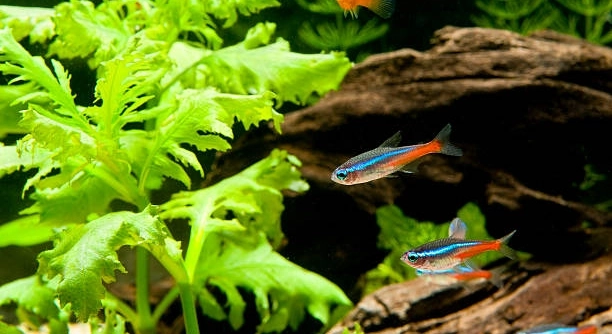
Neon Tetras are known for their beautiful, peaceful nature and their tendency to school together. However, it can be concerning when they don’t exhibit this behavior. There are a few reasons why this might happen.
Several factors can prevent Neon Tetras from schooling, such as stress, improper tank conditions, or health problems. Ensuring a suitable environment, proper water quality, and the presence of adequate tank mates can encourage them to display typical schooling behavior.
Understanding why your Neon Tetra isn’t schooling can help you provide the best care for them. It’s important to address these issues to promote their natural behavior and overall well-being.
1. Stress or Fear Can Disrupt Schooling Behavior
Stress is one of the most common reasons Neon Tetras may stop schooling. This can be caused by sudden changes in the tank environment, such as water temperature fluctuations, the presence of aggressive fish, or too much movement around the tank. When a fish feels threatened, it may separate from the group to avoid danger. Neon Tetras are naturally skittish creatures and their behavior can easily be affected by stress. Maintaining a calm, stable environment is key to encouraging them to school together. It’s important to make sure the tank has enough hiding spots for them to feel secure.
One of the most effective ways to reduce stress is by keeping your tank at a steady temperature. Consistent lighting and avoiding sudden loud noises will also help make the environment more relaxing. Fish should not be disturbed too often, as constant activity can increase anxiety.
By monitoring the tank environment and ensuring there are no immediate threats, you can help your Neon Tetras feel safer and more likely to school with others.
2. Poor Water Quality Might Be the Issue
Water quality plays a major role in the health and behavior of your fish. When the water in the tank is dirty or imbalanced, Neon Tetras may become stressed and less likely to school. High levels of ammonia, nitrites, or low oxygen levels can make your fish uncomfortable.
Regular water changes, checking pH levels, and using a good filter are crucial steps in maintaining healthy water conditions. Neon Tetras thrive in slightly acidic water, with temperatures between 72°F and 80°F. Poor water quality can also lead to disease, further affecting schooling behavior. Testing the water regularly can help ensure it’s always at optimal levels, reducing stress on the fish.
With better water quality, your Neon Tetras will be happier, which could encourage them to school once again.
3. Insufficient Tank Size
If your tank is too small, your Neon Tetras may not feel comfortable enough to school. A cramped space can make them feel confined, leading them to scatter instead of staying together. Neon Tetras need room to swim freely, and a tank that’s too small will prevent them from displaying their natural behavior.
A 10-gallon tank is the minimum size for a small group of Neon Tetras, though larger is always better. This provides enough space for them to move around, explore, and find hiding spots when they need to. The more space they have, the more likely they are to feel safe and comfortable with their school.
Providing a spacious environment can encourage your Tetras to interact and school as they would naturally. Overcrowding, however, can create stress, so it’s important to avoid adding too many fish to the tank.
4. Tank Mates Can Affect Behavior
Neon Tetras tend to feel safer and more confident when housed with peaceful tank mates. Aggressive or overly active fish may make your Tetras feel threatened, disrupting their natural schooling behavior. If you notice that your Tetras are swimming alone or apart from the group, it might be due to aggressive tank mates.
Incompatible fish can cause stress, which may lead to your Neon Tetras becoming timid and reluctant to join the group. They are peaceful by nature and thrive best with other calm species like other small tetras, rasboras, or Corydoras catfish. Adding fish that are overly aggressive, such as larger cichlids or territorial species, may result in a disrupted school.
Choosing the right tank mates is essential. Ensuring peaceful cohabitation will help encourage natural schooling behavior in your Neon Tetras. When they feel secure with the other fish, they are more likely to school as they would in the wild.
5. Illness Can Affect Schooling Behavior
If your Neon Tetras are not schooling, it could be a sign that one or more of them are unwell. Sick fish may isolate themselves from the group, as they are less active and might not feel strong enough to join in.
Illness can lead to a lack of energy or a desire for solitude. Keeping an eye on your fish for any signs of disease, such as discoloration or unusual swimming patterns, will help you spot potential issues early. If you notice any symptoms, quarantine the affected fish to prevent the spread of illness.
A healthy fish is more likely to school with its tank mates, so addressing any potential health problems can bring your Neon Tetras back together.
6. Lighting and Tank Setup Could Be Influencing Their Behavior
Neon Tetras are sensitive to their environment, including the lighting. Too bright of a light can make them feel exposed and insecure, while too dim light can reduce their activity level. Proper tank lighting is essential to make your Tetras feel comfortable enough to school.
Neon Tetras thrive in subdued lighting, which mimics their natural habitat. Dim or soft light can encourage them to stay together and interact. Having areas in the tank with shade or hiding spots can also help them feel secure. Proper tank setup, including plants and decorations, provides the necessary structure and safety.
Maintaining a balanced lighting setup is key to their well-being and schooling behavior. Adjusting the lighting in your tank may encourage your Tetras to school together once more.
7. Overfeeding Can Cause Problems
Overfeeding your Neon Tetras can lead to sluggish behavior and unhealthy water quality. When they are fed too much, the extra food can break down and create waste that pollutes the water, leading to poor water quality. This can discourage them from schooling.
It’s essential to feed your Neon Tetras the right amount of food. Overfeeding can lead to stress and, in turn, prevent your fish from schooling. A healthy diet, including small, frequent meals, helps maintain their health and energy levels, encouraging them to swim together.
Feeding in moderation can keep your Neon Tetras active and more likely to form a school.
FAQ
Why do Neon Tetras stop schooling?
Neon Tetras may stop schooling due to stress, poor water quality, or incompatible tank mates. They are sensitive creatures, and any change in their environment can disrupt their behavior. Illness or inadequate lighting can also play a role. Without the proper conditions, these fish may isolate themselves instead of staying with their school.
How can I help my Neon Tetras school again?
To encourage your Neon Tetras to school, make sure their tank environment is stable and peaceful. Ensure the water quality is optimal by performing regular water changes and checking the water parameters, like temperature and pH. Adding peaceful tank mates can help, and offering enough space for them to swim freely is key. A calm, well-lit environment can also encourage them to feel safe and school together.
Is it normal for Neon Tetras to swim alone sometimes?
Yes, it is normal for Neon Tetras to occasionally swim alone. While they are known for schooling, there may be times when a fish feels stressed, unwell, or needs a break from the group. However, if this behavior becomes constant, it could signal a problem that needs addressing, like poor water quality or tank mates that cause stress.
How many Neon Tetras should be kept together to ensure they school?
Neon Tetras should ideally be kept in groups of at least six to eight to feel comfortable and exhibit schooling behavior. A smaller group may not behave as naturally, as they can feel insecure and isolated. Larger groups tend to form tighter schools and are more likely to display natural behaviors.
Can Neon Tetras school with other types of fish?
Neon Tetras can school with other peaceful, small fish. Species like other tetras, rasboras, and Corydoras catfish are great tank mates. However, they should not be kept with larger or aggressive fish, which may stress them and prevent them from schooling. Compatibility is key for creating a peaceful environment.
How often should I feed my Neon Tetras?
Neon Tetras should be fed small amounts of food once or twice a day. Overfeeding can lead to poor water quality, which might cause stress and stop them from schooling. Feed only what they can consume in a few minutes, and avoid leaving excess food in the tank. This helps maintain good water conditions and encourages healthier behavior.
What is the best water temperature for Neon Tetras to school?
Neon Tetras thrive in temperatures between 72°F and 80°F (22°C to 27°C). Keeping the water within this range helps them feel comfortable and more likely to school. Too cold or too warm of water can cause stress and affect their overall health and behavior.
Can poor lighting stop Neon Tetras from schooling?
Yes, improper lighting can cause Neon Tetras to feel insecure. Bright, harsh lighting can make them feel exposed, while too little light can make them lethargic and less active. Soft, subdued lighting mimics their natural environment and encourages them to school together. Using plants or decorations to create shaded areas also helps.
How can I tell if my Neon Tetra is stressed?
Signs of stress in Neon Tetras include erratic swimming, hiding more than usual, a lack of appetite, or isolation from the group. You may also notice physical changes like faded colors or clamped fins. Stress can be caused by poor water quality, aggressive tank mates, or environmental changes.
Are Neon Tetras more likely to school in a well-planted tank?
Yes, a well-planted tank can encourage Neon Tetras to school. Plants provide hiding spots and help create a more natural environment. Neon Tetras feel safer in environments that mimic their natural habitat, which includes dense vegetation and areas to retreat to if they feel threatened. Having a well-planted tank can promote a sense of security and make it easier for them to school together.
Can Neon Tetras school in a community tank with other species?
Neon Tetras can school in a community tank with peaceful species that won’t disturb them. Make sure to choose tank mates that are non-aggressive and similarly sized. Species such as small tetras, rasboras, or even peaceful bottom-dwellers like Corydoras are ideal companions. Aggressive or large fish can make the Tetras feel threatened and disrupt schooling behavior.
Final Thoughts
Neon Tetras are beautiful and peaceful fish that thrive when they school together. However, if you notice that your Neon Tetras are not schooling, it’s important to look at several factors. These factors can range from stress and poor water quality to tank size and incompatible tank mates. By understanding the reasons behind their behavior, you can create a more suitable environment that encourages them to school once again.
Providing the right conditions for your Neon Tetras is key to bringing out their natural behavior. Make sure your tank has stable water conditions, the right temperature, and sufficient space. Ensuring that your tank mates are peaceful is also crucial, as aggressive or large fish can create a stressful environment. Small adjustments to lighting and feeding can also make a difference, as can keeping an eye on your fish’s health. Maintaining a calm and balanced environment will help your Neon Tetras feel safe and confident, encouraging them to school together.
By taking the time to address the possible causes of non-schooling behavior, you can improve the overall well-being of your Neon Tetras. When these fish feel secure in their environment, they will naturally school, bringing out their beauty and enhancing the appeal of your aquarium. Understanding the factors that influence their behavior not only benefits your fish’s health but also creates a more enjoyable and harmonious aquarium for you to enjoy.

Hello,
If you enjoy the content that we create, please consider saying a "Thank You!" by leaving a tip.
Every little bit helps us continue crafting quality advice that supports the health, happiness, and well-being of pets around the world, for pets of all shapes, sizes, and species.
We really appreciate the kindness and support that you show us!