
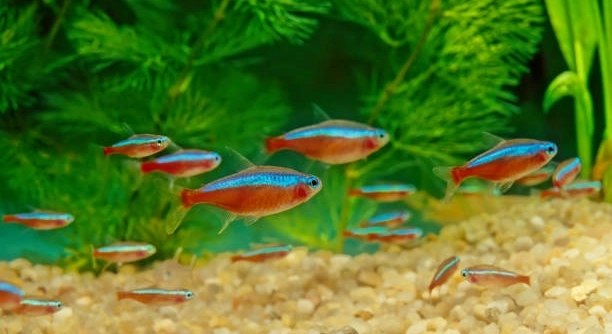
Do you ever find yourself watching your neon tetra only to notice it’s hiding more often than swimming out in the open?
The most common reason your neon tetra is hiding is stress caused by environmental changes. Factors like poor water quality, aggressive tank mates, or sudden lighting shifts can contribute to this behavior and should be addressed promptly.
Understanding the reasons behind this change can help you create a safer and more comfortable space for your tetra to thrive.
1. Stress from New Environment
When neon tetras are introduced to a new tank, they often hide because they’re adjusting to unfamiliar surroundings. Even small changes, like new plants or décor, can cause them to feel uneasy. This stress is common and usually temporary. Their instinct tells them to stay out of sight until they feel safe again. If the tank lacks sufficient hiding spots, they might retreat more often than expected. Give them time, maintain a quiet environment, and avoid tapping on the glass. Gradually, as they become more familiar with their space, they’ll start swimming more freely. Consistency is key here—keep lighting and feeding schedules regular. Limit the number of disturbances around their tank, especially in the first week. A peaceful start helps them feel secure faster.
Allowing neon tetras time to adjust without added stress will support healthier, more active behavior in the long term.
Patience during this stage can make a big difference in how quickly your tetra feels at home.
2. Poor Water Conditions
Bad water quality can quickly lead to hiding behavior in neon tetras.
Check the tank’s ammonia, nitrite, nitrate, and pH levels using a reliable test kit. Tetras are sensitive to changes, and even mild imbalances can stress them out. Cold water, sudden temperature drops, or an unstable environment can also trigger hiding. Regular maintenance—like weekly water changes and filter cleaning—is essential. Keep the water temperature between 72°F and 78°F, and avoid using untreated tap water. Chlorine and heavy metals found in unconditioned water can cause discomfort and illness, pushing your tetra to retreat. If you notice sluggish movement or gasping, act quickly. These can be early signs of poor water quality. Make adjustments slowly to avoid shocking your fish. Always acclimate new water before adding it. Stability keeps your tetra feeling safe and active. Healthy water conditions go beyond clear water—test regularly, and you’ll notice better behavior and brighter colors in your fish.
3. Aggressive Tank Mates
Neon tetras are peaceful fish and often hide when housed with aggressive or fast-moving tank mates. Constant chasing or nipping can make them feel unsafe, even during feeding times. This stress may cause long-term health issues if not addressed.
If you notice your tetras huddled in corners or behind decorations, observe the other fish closely. Species like barbs or larger cichlids can cause tension in community tanks. Rearranging the tank layout or adding plants can help break sightlines and reduce stress. In some cases, it may be necessary to separate the aggressive fish. Tetras thrive in calm environments, so choosing compatible companions is important. Consider species like rasboras, guppies, or peaceful bottom dwellers. If aggression continues, reduce the number of fish or provide more hiding spaces. Watch how your tetra behaves after each change—less hiding means you’re on the right track.
Peaceful surroundings encourage your tetra to explore the tank with confidence.
4. Lack of Hiding Spots
Tetras need places to retreat, even when they feel safe. Without proper cover, they may become anxious and spend more time staying still. Natural-looking shelters like plants, driftwood, or rock caves give them comfort and reduce stress in community tanks.
Try using live or silk plants with broad leaves, which offer shaded hiding spaces while keeping the tank visually appealing. Spread these throughout the tank so your tetra doesn’t feel exposed in any section. Adding floating plants can also soften the lighting, which helps shy fish feel more at ease. The more comfortable they feel, the more likely they are to swim out and interact. Avoid over-cluttering, though—balance open swimming areas with sheltered spots. Rearranging décor occasionally also keeps the environment stimulating. When tetras feel protected, their colors brighten and their behavior improves. It’s a simple way to help them feel safer and more active without needing drastic changes.
5. Bright Lighting
Too much light can overwhelm neon tetras, making them retreat to darker spots in the tank. Bright lighting creates a stressful environment, especially if the tank lacks shaded areas or floating plants to soften the intensity.
Use a dimmable light or reduce the lighting duration. Adding floating plants can help create a more relaxed setting. Natural-looking lighting changes allow your tetra to feel safer and behave more naturally in their environment.
6. Illness or Injury
Hiding is often an early sign that your neon tetra isn’t feeling well. Look for symptoms like clamped fins, faded colors, loss of appetite, or unusual swimming behavior. These signs can point to internal issues or external parasites. Injuries from tank mates or sharp decorations may also cause them to isolate. If you notice anything unusual, separate the fish and monitor it in a quarantine tank. Treating early can prevent bigger problems down the line. A healthy tetra is active and alert—when it’s not, something is usually off. Keep a close eye on any sudden changes in behavior.
7. Loneliness or Small School Size
Neon tetras are social and need a group to feel secure. A small school can leave them anxious and less active. Aim for at least six to eight tetras in the same tank for natural schooling behavior.
FAQ
Why is my neon tetra hiding all of a sudden?
Neon tetras may hide if they feel stressed due to water quality issues, new tank mates, or sudden changes in their environment. Poor water conditions like high ammonia or nitrate levels can make them feel unsafe. They may also retreat if the lighting is too bright or if there is aggressive behavior from other fish. Even small changes in the tank, like new decorations or sudden movements around the tank, can cause stress. Monitor your tank’s water quality, check the behavior of other fish, and make sure there are plenty of hiding spots to help your tetra feel secure.
Can neon tetras survive alone?
While neon tetras can technically live alone, they are social fish that thrive in groups. A lone tetra can become stressed and inactive. Keeping them in schools of at least six to eight fish mimics their natural behavior, making them feel safer and more confident. A smaller group may result in shyness and hiding. A larger group will encourage them to swim around more and interact.
How can I improve the water quality for my neon tetra?
To maintain good water quality for your neon tetra, test for ammonia, nitrites, nitrates, and pH levels regularly. Water should be between 72°F and 78°F. Perform regular water changes—about 25-30% weekly—and clean the filter. Use a high-quality water conditioner if you’re using tap water, and ensure your filtration system is adequate for the tank’s size. Avoid overfeeding, as uneaten food can contribute to poor water quality. Regular maintenance will help your tetra stay healthy and active.
How do I know if my neon tetra is stressed?
Signs of stress in neon tetras include hiding more often than usual, losing their vibrant colors, clamped fins, and erratic swimming. They might also swim near the bottom of the tank or in the corners. If you notice these behaviors, check for environmental factors that could be causing stress, such as poor water quality or incompatible tank mates.
How do I treat a sick neon tetra?
If you suspect your neon tetra is sick, first quarantine it in a separate tank to prevent spreading any illness to other fish. Observe its symptoms—whether it’s showing signs of external parasites, clamped fins, or unusual swimming behavior. If the issue is water quality, perform a water change and monitor its condition. For external parasites, you may need to treat with anti-parasitic medication. Always follow the treatment instructions carefully and ensure the water conditions are optimal. Consulting a vet or an aquarium specialist can provide more tailored advice.
How often should I feed my neon tetra?
Neon tetras should be fed small amounts two to three times a day. Use high-quality fish food like flakes, pellets, or frozen food. It’s important to feed only what they can eat in a few minutes to avoid excess food decaying in the tank and affecting water quality. Offering a variety of foods will ensure they get all the necessary nutrients. Fast for one day a week to mimic their natural feeding habits and maintain healthy digestion.
Can water temperature affect neon tetra behavior?
Yes, neon tetras are sensitive to water temperature changes. They prefer stable water between 72°F and 78°F. If the temperature is too high or low, they may become lethargic or hide more often. Avoid placing the tank in areas where temperatures fluctuate drastically, such as near windows or heaters. Investing in a reliable aquarium heater will help maintain a consistent temperature.
Are neon tetras easy to care for?
Neon tetras are relatively easy to care for, making them great for beginners. They require a well-maintained tank with proper filtration, regular water changes, and compatible tank mates. Their small size and peaceful nature make them ideal for community tanks. However, they do require attention to water quality and temperature, as they are sensitive to changes in their environment.
How do I stop my neon tetra from hiding all the time?
To stop your neon tetra from hiding, first check the water quality and temperature. Make sure the tank has plenty of hiding spots, but also open swimming areas. Ensure the tank mates are compatible and not too aggressive. Bright lighting can also stress neon tetras, so try reducing the intensity or using floating plants to provide some shade. Be patient—neon tetras will gradually become more confident once they feel secure.
Can I keep other species with neon tetras?
Neon tetras do best with peaceful tank mates. Avoid aggressive species or large fish that might intimidate or eat them. Good companions include other small, calm fish like rasboras, guppies, or Corydoras catfish. Make sure all the tank mates have similar water temperature and pH preferences. Avoid keeping them with fin-nipping fish or large predatory species, as this can stress your neon tetras and lead to hiding behavior.
Why is my neon tetra swimming upside down?
Swimming upside down is not normal behavior for neon tetras and could indicate a problem. This could be caused by swim bladder disease, poor water quality, or an injury. If this behavior persists, it’s best to isolate the affected fish and treat the issue. Check water parameters and ensure there are no sharp decorations or aggressive tank mates. If the tetra continues to swim abnormally, it might need medical attention or a change in diet to address any internal issues.
What is the lifespan of a neon tetra?
Neon tetras can live for 5 to 10 years in a well-maintained tank with proper care. Their lifespan depends on water quality, tank conditions, diet, and avoiding stress. Regular maintenance, like cleaning the tank and ensuring good water quality, can help your neon tetra live a longer, healthier life.
Final Thoughts
Neon tetras are popular aquarium fish due to their vibrant colors and peaceful nature, making them a great choice for beginners. However, like all fish, they can experience stress and other health issues that may cause them to hide. Understanding the factors that contribute to their hiding behavior can help you create a better environment for your tetras and ensure their well-being. Whether it’s poor water quality, bright lighting, or stress from other tank mates, identifying and addressing these factors is key to keeping your fish healthy and active.
By keeping the water clean, ensuring the temperature is stable, and offering plenty of hiding spots, you can help reduce stress for your neon tetras. Regular water changes and monitoring water quality are essential, as poor water conditions can lead to illness or discomfort. Providing a group of neon tetras, rather than a single fish, can also improve their behavior, as they are social creatures that thrive in schools. If your neon tetra is still hiding despite all efforts, it may be time to check for illness or injury, as this can also cause them to seek refuge in a dark corner of the tank.
With the right care, neon tetras can live for several years, brightening your tank with their color and energy. Paying attention to the signs of stress and addressing them promptly can prevent more serious issues down the road. Creating a calm and stable environment not only benefits your neon tetras but also enhances the health of all the other fish in your tank.

Hello,
If you enjoy the content that we create, please consider saying a "Thank You!" by leaving a tip.
Every little bit helps us continue crafting quality advice that supports the health, happiness, and well-being of pets around the world, for pets of all shapes, sizes, and species.
We really appreciate the kindness and support that you show us!