
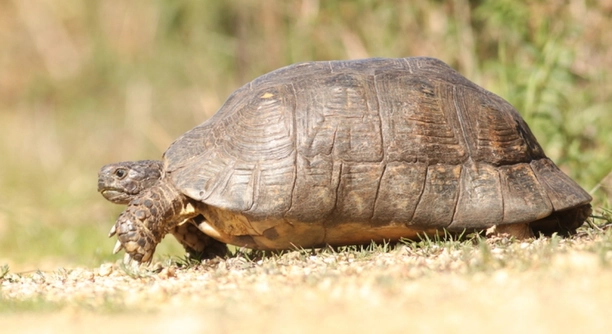
Tortoises are fascinating creatures, and caring for them requires attention to detail. If you notice that your marginated tortoise’s skin is unusually dry, it can be a sign of an underlying issue.
The most common cause of dry skin in marginated tortoises is insufficient humidity and moisture in their environment. Tortoises rely on a specific balance of warmth and humidity to maintain healthy skin, and poor habitat conditions can lead to dehydration.
By addressing humidity levels and offering proper hydration, you can improve your tortoise’s skin health. In the following sections, we will explore ways to help restore its natural moisture and ensure a healthier habitat.
1. Humidity Is Key for Healthy Skin
A dry environment is one of the leading factors behind your marginated tortoise’s dry skin. Tortoises need a certain level of humidity to keep their skin hydrated and healthy. If your pet is housed in a dry tank or enclosure, the skin can become flaky and uncomfortable. To fix this, consider using a humidity gauge to measure the moisture levels in the tortoise’s environment. Aim for 50-60% humidity, as this range is optimal for most tortoises. You can increase humidity by misting the enclosure regularly or adding a humidity box filled with moist sphagnum moss. This provides a more consistent moisture level for your tortoise.
Ensuring proper humidity will help hydrate the skin and encourage better shedding. The increase in moisture can have a noticeable impact on the health of your tortoise’s skin.
For tortoises that live in particularly dry climates, you might need to invest in a reptile humidifier. This will keep the tank at the ideal moisture level throughout the day, ensuring your tortoise stays comfortable and healthy.
2. Dehydration Can Lead to Skin Problems
Dehydration is another significant cause of dry skin in marginated tortoises. Tortoises that don’t drink enough water are more prone to skin issues. While they may not show immediate signs of dehydration, it can lead to serious skin problems over time. To keep your tortoise hydrated, make sure fresh, clean water is always available. You can also soak your tortoise in lukewarm water for about 15 minutes a few times a week. This helps rehydrate them while also aiding in digestion.
Soaking also helps soften the shell and remove any buildup that could affect the tortoise’s overall health. Additionally, ensure your tortoise’s diet includes foods that have high water content, like leafy greens, which are also rich in essential nutrients.
If your tortoise is resistant to drinking water on its own, the soaking method can be an effective way to prevent dehydration and encourage healthy skin. Keep track of how much your tortoise is drinking to ensure it gets enough hydration daily.
3. Proper Lighting for Healthy Skin
Adequate lighting is essential for maintaining your tortoise’s overall health, including its skin. UVB lighting is particularly important, as it helps your tortoise synthesize vitamin D3, which is crucial for calcium absorption and skin regeneration. Without proper UVB exposure, your tortoise’s skin can become dry and flaky.
Provide UVB lighting that mimics natural sunlight for 10-12 hours each day. This will help keep your tortoise’s skin healthy and aid in digestion. Make sure to replace the UVB bulb every six months, as they lose effectiveness over time. Without this light, the tortoise may not metabolize nutrients properly, leading to more skin issues.
Tortoises also require basking areas with proper heat. These warm zones help regulate your tortoise’s body temperature and ensure it remains active. Offering a basking spot of 85-90°F helps to simulate natural conditions and encourages hydration. A good combination of heat and UVB light will support their overall skin health.
4. A Balanced Diet Can Improve Skin Health
Feeding your marginated tortoise the right food is essential for skin health. A diet rich in fiber, vitamins, and minerals supports overall well-being and helps maintain skin hydration. Leafy greens like collard greens, dandelion greens, and kale should be staples in their diet, as these provide moisture and essential nutrients.
Occasionally supplement their diet with other vegetables, like carrots and squash, which offer additional vitamins. Ensure a variety of greens to prevent any nutrient deficiencies, which could lead to dry skin and other health issues. Avoid feeding too many high-oxalate vegetables like spinach, as these can lead to calcium issues, affecting skin and shell health.
Introducing fruits, like strawberries and melons, can also give a hydration boost. However, fruits should only be fed occasionally due to their sugar content. A balanced diet with enough hydration will contribute to your tortoise’s soft, healthy skin.
5. Shell Care Can Improve Skin Quality
Your tortoise’s shell plays a vital role in overall skin health. Dryness in the skin can often result from neglecting shell care. Regular cleaning helps prevent debris buildup, which can lead to skin irritation. Be sure to gently clean the shell every few weeks with a soft brush and warm water.
Use a damp cloth to remove any stuck food or waste from the shell. This not only keeps the shell clean but also ensures that moisture can penetrate through the tortoise’s skin. A clean shell promotes healthy skin and helps prevent dry patches.
6. Avoid Overheating
Overheating can cause your tortoise’s skin to dry out quickly. If your basking area is too hot, it can lead to dehydration and skin issues. Ensure that the basking spot is around 85-90°F, and avoid temperatures that exceed 95°F.
Monitor your tortoise’s behavior closely. If it’s hiding more than usual or spending too much time in cooler areas, it may be trying to escape the heat. A consistent temperature gradient helps them regulate their body temperature and maintain skin hydration.
7. Proper Substrate Matters
The substrate in your tortoise’s enclosure can affect skin health. Using the wrong bedding, like sand or loose soil, can cause dry patches on their skin. Instead, opt for moist, absorbent bedding, such as coconut coir or sphagnum moss, to maintain proper humidity levels.
The correct substrate ensures your tortoise stays comfortable while moving around. It will also reduce the likelihood of irritants, like sharp objects, that could damage its skin. Keep the substrate clean and dry to prevent mold growth or bacteria buildup.
FAQ
Why is my tortoise’s skin so dry?
Dry skin in tortoises is often caused by low humidity, dehydration, or inadequate lighting. Tortoises require a balanced environment with appropriate humidity levels and UVB light to maintain healthy skin. If your tortoise isn’t drinking enough water, it may also become dehydrated, leading to dry skin. Make sure your tortoise has access to clean water and mist the enclosure to maintain humidity.
How can I tell if my tortoise is dehydrated?
Signs of dehydration in tortoises include dry or flaky skin, sunken eyes, and a lack of appetite. Your tortoise may also become more lethargic or spend excessive time in cooler, shady areas to avoid heat. If you suspect dehydration, try soaking your tortoise in lukewarm water for 15-20 minutes to encourage rehydration. This also helps with hydration through the skin.
Can I use a humidifier for my tortoise’s enclosure?
Yes, a reptile-specific humidifier is a great way to maintain consistent humidity levels in your tortoise’s enclosure. This is especially helpful in dry climates where natural humidity levels may not be sufficient. A humidifier can help prevent dry skin and respiratory issues caused by inadequate moisture in the air. Be sure to monitor the humidity levels regularly to avoid over-humidifying the enclosure, which can lead to mold or other health concerns.
How often should I soak my tortoise?
Soaking your tortoise once or twice a week is generally sufficient to maintain hydration and support skin health. However, if your tortoise seems to be more dehydrated, you can soak it more often. Always use lukewarm water for soaking, and never leave your tortoise in the water for extended periods. After soaking, ensure the tortoise is placed in a warm environment to prevent it from becoming cold.
Can I use coconut oil on my tortoise’s skin?
While coconut oil is often used as a natural moisturizer for dry skin in humans, it’s not recommended for tortoises. Applying oils or creams can block the pores of their skin and shell, interfering with natural shedding processes. Instead, focus on improving humidity and hydration in their environment to support healthy skin.
What should I feed my tortoise to help with skin dryness?
A diet rich in fresh, leafy greens such as dandelion, collard greens, and mustard greens is essential for skin health. These foods not only provide hydration but also essential vitamins and minerals for overall well-being. You can also feed occasional fruits like strawberries and melons, which provide additional moisture. Avoid feeding your tortoise too many high-oxalate foods like spinach, which can interfere with calcium absorption and affect skin health.
How can I prevent my tortoise’s skin from getting dry in winter?
Winter months often bring dry air, which can contribute to dry skin in tortoises. To prevent this, you should increase the humidity in their enclosure by misting more frequently or using a humidifier. Additionally, be sure to adjust the lighting and temperature to ensure your tortoise has access to proper basking areas and UVB light. Consider adding a warm water soak during the winter to help maintain hydration.
Is it normal for my tortoise to shed skin?
Yes, shedding is a normal process for tortoises. However, if your tortoise’s skin is excessively dry or peeling in large patches, it could be a sign of dehydration or poor environmental conditions. Regular humidity and hydration will support healthy shedding. If your tortoise struggles with shedding, soaking it in lukewarm water may help the process.
How do I clean my tortoise’s shell?
To clean your tortoise’s shell, gently scrub it with a soft brush and warm water. Avoid using harsh chemicals, which can irritate the shell and skin. Be sure to clean any dirt or waste that may have accumulated on the shell to ensure it stays healthy and free of bacteria. Regular cleaning also helps prevent the buildup of debris that could lead to skin irritation.
How can I maintain my tortoise’s skin in a desert climate?
If you live in a desert climate, maintaining humidity and hydration becomes even more important. Consider using a humidity box filled with moist sphagnum moss and misting the enclosure regularly. Additionally, make sure your tortoise has access to clean water at all times. A humidifier can also help regulate moisture levels, especially in areas with very low humidity.
Final Thoughts
Maintaining healthy skin for your marginated tortoise requires attention to several factors, including humidity, hydration, and proper care. Ensuring that your tortoise has access to clean water and a suitable environment with proper humidity levels will significantly reduce the chances of dry skin. Regular soaking, a clean habitat, and the right diet are essential for promoting overall health and preventing skin issues.
It’s important to remember that tortoises are creatures of habit and require stable living conditions. Fluctuating temperatures, excessive dryness, or poor diet can all contribute to skin problems. By providing consistent care, including a balanced diet rich in leafy greens, you can help your tortoise stay healthy and hydrated. Simple adjustments, such as improving humidity and cleaning the enclosure regularly, can make a noticeable difference in your tortoise’s skin condition.
If you notice persistent dryness despite making these changes, it might be a good idea to consult with a veterinarian. Dry skin could indicate underlying health issues, such as dehydration or improper temperature regulation. Regular check-ups will help ensure that your tortoise is not only free from dry skin but also thriving in its environment. With the right care, your tortoise will be comfortable and its skin will stay healthy for years to come.

Hello,
If you enjoy the content that we create, please consider saying a "Thank You!" by leaving a tip.
Every little bit helps us continue crafting quality advice that supports the health, happiness, and well-being of pets around the world, for pets of all shapes, sizes, and species.
We really appreciate the kindness and support that you show us!