
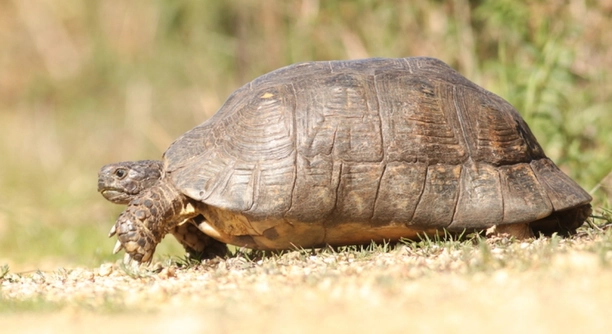
It can be concerning when you hear strange noises coming from your marginated tortoise while it’s asleep. Understanding the reasons behind these sounds can help you ensure the health and well-being of your pet.
The strange noises your tortoise makes while sleeping may be attributed to various factors, including respiratory issues, stress, or simple vocalizations during deep sleep. It’s essential to observe your tortoise for any additional symptoms to rule out any serious health concerns.
Identifying the cause of these noises will help you provide the proper care and address any potential concerns related to your tortoise’s health.
Possible Reasons for Strange Noises During Sleep
Tortoises are generally quiet animals, but it’s not uncommon for them to make noises while they sleep. These sounds are usually soft and may include breathing sounds, hissing, or even clicking. While some of these noises can be normal, others may indicate health issues. If the sounds are loud or persistent, it’s important to pay attention to other signs that could suggest discomfort or illness. Respiratory problems, for example, may cause wheezing or crackling noises as your tortoise breathes. Stress can also trigger unusual sounds, especially if the environment isn’t ideal. If the sounds occur only occasionally, it’s usually not a cause for concern, but consistent or sudden changes in behavior should be monitored.
Sometimes, tortoises make noises when they are in a deep sleep cycle. Just like other animals, tortoises can move or make noises during REM sleep. This is typically harmless. If you notice changes in frequency or the type of sounds, you may want to check the environment for potential stress factors.
If the noises seem to be associated with health problems like labored breathing or nasal discharge, it’s a clear sign that your tortoise may need medical attention.
Environmental Stress Factors
A tortoise’s environment plays a significant role in its behavior and health. Unfamiliar surroundings, changes in temperature, or loud noises can all lead to stress. This stress can trigger odd sounds during sleep, as the tortoise may become more alert or anxious. Make sure the enclosure is quiet, stable, and free of disturbances.
Temperature is another important aspect. If the temperature is too hot or cold, your tortoise may experience discomfort, which can lead to unusual behaviors, including making noises. Check the temperature and humidity levels regularly to ensure they are within the proper range for a marginated tortoise. Stress from environmental factors can also weaken the immune system, making your tortoise more vulnerable to illness.
A comfortable, quiet space will help your tortoise feel safe and reduce stress. If you’ve recently moved its enclosure or made significant changes to its habitat, it could take time for your tortoise to adjust. Monitor the noises closely, and make adjustments if necessary to create a calming environment.
Respiratory Issues
Breathing problems can cause your tortoise to make strange noises while sleeping. Respiratory infections are common in reptiles and may lead to wheezing, hissing, or crackling sounds. These issues often arise from inadequate humidity or improper temperatures in the enclosure. Over time, these respiratory problems can worsen if left untreated.
If you notice discharge around your tortoise’s nose or mouth, or if it’s having difficulty breathing, take immediate action. A visit to the vet is essential to determine the severity of the condition. Respiratory infections can quickly escalate, so early intervention is important for recovery. Adjusting the humidity levels in the habitat can help prevent such issues in the future. Make sure your tortoise has access to clean, fresh air and that the temperature doesn’t drop too low.
To prevent respiratory infections, ensure proper care and maintain the appropriate environmental conditions. If your tortoise is prone to these issues, consider monitoring the enclosure more closely for signs of discomfort or distress.
Overfeeding or Diet Issues
Overfeeding can lead to discomfort in tortoises, causing them to make strange sounds while sleeping. When a tortoise consumes too much food, it may experience bloating or digestive issues, which can cause stress and unusual noises. Ensure you are feeding the appropriate amount of food based on their size and age.
Tortoises with poor diets can also experience problems that may lead to strange noises. Lack of variety or nutritional imbalances can affect their overall health, causing stress or digestive discomfort. Stick to a balanced diet and avoid overfeeding to help keep your tortoise healthy.
Illness or Injury
An illness or injury can make your tortoise more vulnerable and cause it to make unusual sounds. Conditions like shell infections or internal injuries might lead to noises, especially during rest. If your tortoise is experiencing pain, it may vocalize more frequently. If you suspect an injury or illness, seek veterinary care.
Pain from a hidden injury or ongoing illness can make your tortoise uneasy and more likely to vocalize. Unusual noises, especially when accompanied by other signs like limping or loss of appetite, may indicate that something is wrong. A vet can help diagnose and treat the condition early on.
FAQ
Why is my tortoise making noises while sleeping?
Tortoises can make noises during sleep for several reasons, such as stress, respiratory issues, or discomfort. It’s important to observe the frequency and nature of the sounds. If they’re soft, it might be normal sleep behavior, but if they’re persistent or accompanied by other symptoms, it could indicate a health problem.
How can I tell if my tortoise has a respiratory infection?
Signs of a respiratory infection in tortoises include wheezing, hissing, nasal discharge, and difficulty breathing. If your tortoise’s behavior changes, such as less activity or loss of appetite, these could be additional signs. A vet can diagnose the infection with a thorough checkup and prescribe appropriate treatment.
Can environmental stress cause my tortoise to make noises?
Yes, changes in environment, temperature fluctuations, or disturbances in their habitat can cause stress, leading to strange noises. Tortoises are sensitive to their surroundings. If you’ve recently moved their enclosure or there’s been noise around them, it may explain the sounds. Make sure the environment is calm and stable.
Should I be concerned if my tortoise makes noise only occasionally?
Occasional noises during sleep may not be a cause for concern. Tortoises, like many animals, make sounds during deep sleep or when adjusting to their surroundings. However, if the sounds become more frequent or are accompanied by signs of distress or illness, it’s worth investigating further.
How do I know if my tortoise’s diet is causing problems?
If your tortoise is overfed or fed an imbalanced diet, it may cause discomfort, digestive issues, or bloating. Watch for signs such as irregular bowel movements, lethargy, or changes in their behavior. Feeding the right portion sizes and a balanced diet based on their species is key to preventing these issues.
Can my tortoise’s noises indicate pain or injury?
Yes, if your tortoise is experiencing pain, it may vocalize more during sleep. In the case of an injury or illness, your tortoise may make noises as a result of discomfort. If there are signs like limping, swelling, or loss of appetite, a vet visit is needed to address potential issues.
Is it normal for my tortoise to make sounds during sleep?
Tortoises can make soft noises during sleep, especially when they’re in deep REM sleep. This is generally harmless and similar to how other animals might grunt or shift during rest. It’s only a concern if the sounds become loud, frequent, or if there are accompanying signs of distress.
What temperature should I keep my tortoise’s enclosure to prevent health issues?
The ideal temperature for a marginated tortoise’s enclosure is between 75-85°F (24-29°C) during the day, with a slight drop at night. This helps to maintain their metabolism and overall health. Ensure that the temperature is not too hot or cold, as this can lead to stress and health issues.
Can loud sounds or disruptions in the house make my tortoise nervous?
Yes, loud noises and disruptions can cause your tortoise to feel stressed. Tortoises are sensitive to their environment, and any sudden changes or noises may disturb their sleep and cause them to vocalize. Try to place their enclosure in a quiet, calm area of your home to help reduce stress.
What should I do if my tortoise starts making loud or continuous noises?
If your tortoise is making loud or continuous noises, it could indicate a health issue or high stress levels. Check its environment first for any changes or disturbances. If the noises persist or are accompanied by other symptoms, such as lethargy, labored breathing, or appetite loss, take it to the vet for a checkup.
Can my tortoise make noises even if it’s healthy?
Yes, healthy tortoises may still make noises during sleep, especially if they’re in deep REM sleep or adjusting to a new environment. As long as the noises are soft and not accompanied by signs of illness, it’s usually nothing to worry about. Regular monitoring can help detect any issues early.
How can I reduce stress in my tortoise’s environment?
To reduce stress, ensure your tortoise’s enclosure is quiet, stable, and free from disturbances. Maintain proper lighting, temperature, and humidity levels. Provide hiding spots, a varied diet, and a comfortable place for your tortoise to rest. Avoid sudden changes or loud noises that could cause anxiety.
Final Thoughts
In conclusion, it is important to remember that some strange noises your tortoise makes while sleeping may be normal. Like other animals, tortoises can make subtle sounds during sleep, especially during deep rest or in response to environmental changes. If the sounds are soft and infrequent, they are likely nothing to worry about. However, if your tortoise is consistently making loud or distressing noises, it is essential to take a closer look at its health and environment.
A few common causes of unusual sounds include stress, illness, and dietary problems. Stress can be caused by sudden changes in their habitat or disturbances in their surroundings. If the enclosure is too noisy, too hot, or too cold, it may affect your tortoise’s well-being. Respiratory infections, injuries, or other health concerns can also lead to strange noises, especially when combined with other signs of illness such as lethargy or loss of appetite. Overfeeding or providing an imbalanced diet can also contribute to digestive issues, which may result in discomfort and vocalizations during rest.
Taking proactive steps, such as maintaining a stable environment, providing a balanced diet, and regularly monitoring your tortoise’s behavior, can help reduce the chances of problems. If you ever notice any concerning changes in behavior or health, it is always best to consult a veterinarian for proper diagnosis and care. Tortoises can live long, healthy lives with the right attention and care, and understanding the reasons behind their noises can contribute to their overall well-being.

Hello,
If you enjoy the content that we create, please consider saying a "Thank You!" by leaving a tip.
Every little bit helps us continue crafting quality advice that supports the health, happiness, and well-being of pets around the world, for pets of all shapes, sizes, and species.
We really appreciate the kindness and support that you show us!