
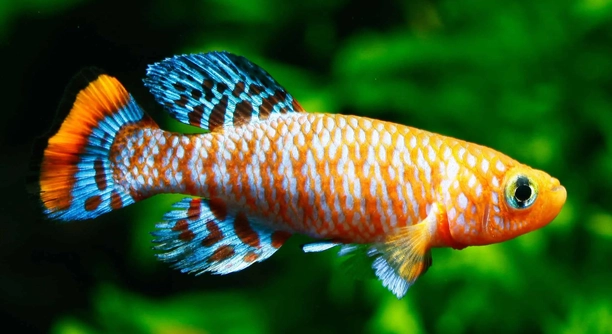
Killi fry are small, colorful fish that many enjoy keeping in their aquariums. Watching them grow can be rewarding, but sometimes their development doesn’t go as expected. Understanding their growth patterns helps in providing the right care.
Stunted growth in killi fry is often caused by poor water quality, insufficient nutrition, or overcrowded tanks. These factors stress the fry and limit their ability to develop properly, resulting in slower or halted growth compared to healthy conditions.
Knowing the common reasons behind stunted growth can help you create a better environment for your killi fry to thrive and reach their full potential.
Water Quality and Its Impact on Growth
Keeping water clean and stable is essential for killi fry growth. Poor water quality causes stress, making it hard for fry to develop normally. High levels of ammonia, nitrites, or nitrates can damage their delicate bodies. Frequent water changes help keep these chemicals low. Temperature also matters; if it’s too cold or too warm, growth slows down. Using a reliable filter and testing water regularly makes a big difference. Avoid overcrowding, as too many fish create waste that lowers water quality quickly. Clear water with balanced parameters supports healthy development and strong immune systems in the fry. When I first started caring for killi fry, I noticed that just improving water quality led to better growth and fewer health problems. It takes some attention but paying close care to water is one of the best ways to help your fry grow well.
Clean water is the foundation of healthy killi fry. Without it, growth stalls and problems multiply.
Proper water management creates a stable environment that supports feeding, activity, and overall well-being. It reduces stress and keeps fry active and growing. If water quality is poor, even the best feeding won’t fix stunted growth. Making a habit of monitoring water parameters, doing small but frequent water changes, and avoiding overcrowding improves the health of the entire tank. This simple approach can change how well your killi fry thrive.
Nutrition and Feeding Practices
Feeding the right food in the right amounts is key to healthy growth.
Killi fry need small, nutrient-rich foods to develop properly. Newly hatched brine shrimp or specialized fry food works best. Overfeeding can pollute water, while underfeeding slows growth. Regular, small feedings throughout the day ensure they get enough nutrients without harming water quality. When I switched to feeding more frequent, smaller portions, I noticed a steady improvement in size and activity. Proper nutrition combined with clean water creates ideal conditions for growth and vitality.
Overcrowding and Space Limitations
Too many killi fry in one tank can slow growth. Limited space increases stress and competition for food, making it harder for fry to develop properly.
Overcrowding reduces oxygen levels and causes waste buildup, both of which harm fry health. When I first kept my fry in a crowded tank, growth was slow and many appeared weak. Separating fry into smaller groups or increasing tank size improved their condition quickly. Fry need enough room to swim freely and access food without constant competition. Providing space lowers stress and encourages healthier, faster growth.
More space means less fighting and more energy for growing. Giving killi fry enough room to move helps them thrive and reach their full potential.
Genetics and Breeding Conditions
Genetics also influence how fast and well killi fry grow. Some strains naturally develop slower or remain smaller. If breeding pairs are weak or unhealthy, offspring may inherit growth problems. I learned that selecting strong, healthy breeders improves fry size and vitality significantly. Proper breeding conditions, like stable water and good nutrition for adults, increase the chance of producing healthy fry. Keeping good records of lineage can help avoid inbreeding, which often causes weaker fry. While genetics set limits, creating the right environment allows fry to grow as much as possible. Understanding this balance helps manage expectations and improve care practices.
Disease and Parasites
Disease and parasites can stunt killi fry growth by draining their energy and damaging their bodies. Infections often occur in crowded or unclean tanks, weakening fry quickly.
Signs like lethargy, unusual spots, or slow movement indicate possible illness. Early treatment improves chances of recovery and normal growth.
Lighting and Temperature Consistency
Stable lighting and temperature are important for healthy growth. Sudden changes cause stress that slows development. I found that keeping a consistent day-night cycle and steady temperature helped my fry grow faster. Using a reliable heater and timer creates a stable environment that supports metabolism and feeding habits.
Stress Factors
Stress from handling, tank mates, or noise disrupts growth. Minimizing disturbances helps fry stay healthy and grow steadily.
FAQ
Why is my killi fry not growing even though I feed them regularly?
Feeding alone doesn’t guarantee growth if other conditions aren’t right. Poor water quality, overcrowding, or stress can limit how well fry use nutrients. Even the best food won’t help if water parameters are off or if fry compete too much for space and oxygen. I noticed my fry stopped growing despite regular feeding until I improved water cleanliness and reduced their numbers. Consistent care in all areas is necessary to see steady growth.
How often should I change the water for killi fry?
Frequent, small water changes are best for fry. Changing about 20-30% of the water two to three times a week keeps the environment clean without shocking the fry. Large water changes can stress them, especially if temperature or water chemistry differs. I learned to match new water temperature closely to the tank, which helped avoid setbacks in fry development.
Can I use tap water for my killi fry tank?
Tap water is usually fine if properly treated. Chlorine and chloramines in tap water are harmful to fry, so using a water conditioner is essential. I always treat tap water before adding it to the tank. Also, testing for pH, hardness, and ammonia helps ensure the water suits killi fry needs. Using prepared water or reverse osmosis water can be an alternative if tap water quality is poor.
What is the best food to feed killi fry?
Live foods like newly hatched brine shrimp are excellent because they are small, nutritious, and encourage natural hunting. Other good options include microworms and finely crushed flake or pellet foods designed for fry. Variety helps provide all necessary nutrients. I found that rotating foods kept my fry interested and growing well.
How long does it take for killi fry to grow to full size?
Growth speed varies by species and conditions but typically takes several weeks to a few months. Under ideal conditions, many killi fry reach juvenile size in 6 to 8 weeks. Genetics and environment affect timing. Patience is important, as pushing conditions too hard can harm fry rather than help.
Can overcrowding cause diseases in killi fry?
Yes, overcrowding increases stress and waste buildup, creating conditions favorable for diseases and parasites. Fry in crowded tanks are more vulnerable to infections because their immune systems weaken. When I reduced fry numbers, illness became less common and growth improved.
Should I separate male and female killi fry early?
Sexing killi fry is difficult early on and usually unnecessary at first. However, separating males and females before maturity can prevent early breeding and reduce stress in the tank. Keeping mixed groups sometimes leads to aggression or competition, which slows growth.
How important is lighting for killi fry growth?
Proper lighting supports healthy metabolism and activity levels. A consistent day-night cycle mimics natural conditions, reducing stress. I use a timer to ensure lights stay on for about 10-12 hours daily. Avoiding intense or direct light prevents overheating and excessive algae growth, which can harm water quality.
Can temperature fluctuations stunt killi fry growth?
Yes, unstable temperatures cause stress and slow metabolism. Fry do best in a steady range suited to their species, often around 72-78°F (22-26°C). Sudden drops or spikes can weaken fry and make them prone to disease. Using a reliable heater and thermometer helps maintain consistent temperature.
What signs indicate that killi fry are unhealthy or stressed?
Signs include lethargy, loss of appetite, unusual swimming patterns, spots or discoloration, and gasping at the surface. Early detection allows for quicker intervention. I keep a close eye on behavior daily and act quickly if fry seem off.
Is it necessary to use a filter in a fry tank?
A gentle filter helps maintain water quality by removing waste and providing oxygen. However, the flow should be very mild to avoid stressing small fry. I use sponge filters because they clean water without strong currents and protect fry from being sucked in.
Can inbreeding affect killi fry growth?
Inbreeding often leads to weaker fry with slower growth and health problems. Introducing unrelated adults and rotating breeding pairs helps maintain genetic diversity. I keep records of my breeding pairs to avoid repeating the same lines and see better results in fry health and size.
How can I reduce stress for my killi fry?
Minimizing handling, maintaining stable water conditions, providing adequate space, and avoiding aggressive tank mates all reduce stress. I also keep noise and sudden movements around the tank low. Stress reduction improves immune function and supports steady growth.
What role does tank decoration play in fry growth?
Providing plants and hiding places reduces stress by offering shelter and mimicking natural habitats. Fry feel safer and are less likely to compete aggressively. I include fine-leaved plants or moss, which also help keep water clean and offer surfaces for biofilm growth, a natural food source.
Can overfeeding cause problems for killi fry?
Yes, overfeeding leads to excess waste, polluting the water and increasing harmful chemicals. This creates stress and health risks. I feed small amounts multiple times a day and remove uneaten food to keep water clean. Controlled feeding supports both growth and water quality.
How do I know if my killi fry tank conditions are ideal?
Regular testing for ammonia, nitrites, nitrates, pH, and temperature shows if conditions are within safe ranges. Clear water and active, growing fry are good signs. I keep a log of water tests and fry progress to catch problems early and make adjustments as needed.
Final Thoughts
Taking care of killi fry and helping them grow well requires attention to several key factors. Water quality is the most important. Clean, stable water with proper temperature and low waste keeps fry healthy and supports their development. It is important to test water regularly and make small water changes often to keep the environment safe. When water conditions are right, fry are less stressed and more likely to grow at a normal pace. Overcrowding should also be avoided because it can quickly harm water quality and cause stress among the fry.
Nutrition is another big part of helping killi fry grow. Feeding them the right foods in small amounts throughout the day gives them the energy and nutrients they need. Live foods like baby brine shrimp or specially made fry food work best. Overfeeding or underfeeding can both cause problems. Overfeeding pollutes the water, while underfeeding slows growth. By paying attention to how much and how often fry eat, it is easier to keep them healthy and growing well.
Finally, genetics and stress also affect growth. Sometimes fry grow slowly due to inherited traits or if their parents were weak. Creating a calm, low-stress environment helps them reach their full potential. This means avoiding sudden changes in temperature or lighting, reducing noise and tank disturbances, and giving fry enough space to swim freely. Adding plants and hiding places also helps fry feel safe. By taking care of these important needs, it becomes easier to raise strong, healthy killi fry that grow at a steady and healthy rate.

Hello,
If you enjoy the content that we create, please consider saying a "Thank You!" by leaving a tip.
Every little bit helps us continue crafting quality advice that supports the health, happiness, and well-being of pets around the world, for pets of all shapes, sizes, and species.
We really appreciate the kindness and support that you show us!