
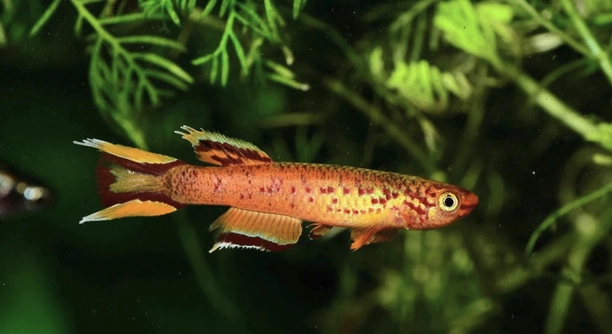
Many killifish owners notice their fish scratching or rubbing against rocks in the tank. This behavior can be puzzling and sometimes worrying. Understanding why killifish do this helps provide better care for these lively pets.
Killifish scratch rocks mainly due to irritation caused by parasites, skin discomfort, or poor water conditions. This behavior serves as a way to relieve irritation or remove unwanted irritants from their bodies. Monitoring tank health and fish behavior is essential.
Recognizing the reasons behind this behavior can help you maintain a healthier environment for your killifish. Proper care ensures they stay comfortable and thrive in your aquarium.
Common Causes of Killifish Scratching
Killifish often scratch rocks because of irritation on their skin. Parasites like ich or flukes can attach to their bodies, causing discomfort. This irritation makes them rub against surfaces to try and remove the parasites. Poor water quality is another common cause. High ammonia or nitrite levels can damage their skin, leading to itching. Sharp or rough decorations might also cause minor injuries, prompting scratching. Sometimes, fungal or bacterial infections irritate the fish’s skin, causing similar behavior. Stress from overcrowding or sudden changes in the tank can weaken their immune system, making infections more likely. Regular water testing and maintenance reduce these risks. Observing your fish closely helps catch problems early. Treating infections and improving water conditions usually stop the scratching. Keeping the tank clean and stable creates a comfortable environment for your killifish.
Proper water parameters and a clean tank are key to preventing skin irritation.
Addressing water quality issues quickly helps reduce scratching behavior and keeps your fish healthy over time.
How to Help Your Killifish
When your killifish scratches rocks, the first step is to check water parameters. Use a test kit to measure ammonia, nitrite, nitrate, and pH levels. Clean the tank regularly with partial water changes to keep these values stable. If parasites are suspected, consider using a safe treatment designed for killifish. Avoid harsh chemicals that might stress the fish further. Remove sharp decorations or rough surfaces that could harm your fish’s skin. Maintaining a stress-free environment by avoiding overcrowding and sudden changes also helps. Feeding a balanced diet supports the immune system and overall health. Watch for other symptoms like lethargy or loss of appetite, which may indicate a deeper problem. Consulting an aquatic veterinarian can provide guidance if scratching persists. With proper care and attention, your killifish can recover and stop scratching rocks.
Tank Environment Adjustments
Keeping the tank clean helps reduce irritation that causes scratching. Regular water changes and gravel vacuuming remove harmful substances. Avoid overcrowding to lower stress.
Adjust decorations to ensure no sharp edges can injure your killifish. Smooth rocks and plants create a safer space for them to explore. Soft, natural materials reduce the chance of damage to their delicate skin.
Monitoring water temperature is important. Killifish prefer stable, species-specific temperatures. Sudden fluctuations can stress them, weakening their immune system and causing more scratching. Use a reliable heater and thermometer to maintain consistent conditions. Proper lighting and gentle filtration also contribute to a calm environment, which lowers irritation and improves overall fish health.
Nutrition and Diet Impact
A balanced diet supports your killifish’s skin and immune system. Feeding quality flakes, pellets, or live foods ensures they get essential nutrients. Variety helps meet dietary needs and prevents deficiencies.
Poor nutrition can weaken the fish, making it harder for them to fight infections or parasites. Foods rich in vitamins, especially vitamin C and E, improve skin health and resilience. Overfeeding or feeding inappropriate foods may cause digestive issues and stress, indirectly increasing scratching behavior. Keep feeding portions moderate and consistent, matching the fish’s size and activity level. Offering occasional live or frozen foods like brine shrimp or daphnia can improve their health and reduce skin irritation.
Identifying Parasites Early
Early detection of parasites helps prevent serious skin damage. Watch for flashing, rapid scratching, or white spots on your killifish. These signs often indicate parasite presence.
Quarantine new fish before adding them to your tank. This reduces the risk of introducing parasites and protects your established killifish.
Treatment Options for Parasites
Treatments vary depending on the parasite type. Common remedies include antiparasitic medications like formalin, copper-based treatments, or salt baths. Always follow dosage instructions carefully to avoid harming your fish.
Some treatments require temporary removal of carbon from the filter, as it can absorb medication. Monitor your fish’s response to treatment closely. If symptoms worsen or don’t improve, consulting an expert is recommended. Combining medication with improved water quality boosts recovery chances and reduces stress.
When to Seek Professional Help
If scratching continues despite your efforts, professional advice is essential. An aquatic vet can diagnose and recommend specific treatments tailored to your killifish’s condition.
FAQ
Why does my killifish scratch rocks only sometimes and not all the time?
Killifish may scratch rocks intermittently because irritation or discomfort is not constant. Parasites can come and go, or water quality may fluctuate, causing temporary itching. Stress or minor injuries may also make them rub against surfaces only during certain periods. Watching changes in tank conditions can help identify patterns.
Can scratching rocks damage my killifish?
Yes, excessive scratching can cause skin injuries or scale loss. These wounds increase the risk of infections and make the fish more vulnerable. If you notice wounds or bleeding, take action by improving water quality and considering treatment to prevent further harm.
Is it normal for killifish to scratch when setting up a new tank?
Some scratching is common when fish adjust to a new environment. Changes in water chemistry or stress from relocation can cause temporary irritation. However, if scratching continues for more than a week, it might signal a deeper problem like parasites or poor water conditions.
How can I tell if my killifish has parasites?
Look for signs such as frequent rubbing, flashing (quick, sudden movements), white spots, or fuzzy patches on the skin and fins. Also, observe if your fish acts lethargic or loses appetite. Early detection is important to start treatment quickly.
What is the best way to prevent parasites in my killifish tank?
Quarantine all new fish for at least two weeks before introducing them to the main tank. Maintain clean water by doing regular partial water changes and avoid overcrowding. Feeding a balanced diet helps keep your killifish’s immune system strong.
Can poor water quality alone cause my killifish to scratch?
Yes, poor water quality, including high ammonia or nitrite levels, can irritate the fish’s skin, causing them to scratch rocks or decorations. Regular testing and water changes help keep these toxins at safe levels and reduce irritation.
Are there safe treatments for parasites in killifish tanks?
There are several safe treatments, such as formalin, copper-based medications, and salt baths. Always follow instructions carefully, as killifish can be sensitive to strong chemicals. Removing carbon from filters during treatment is often necessary to avoid medication absorption.
How often should I clean my killifish tank to prevent scratching issues?
Cleaning frequency depends on tank size and stocking levels, but a weekly partial water change of 20-30% is generally recommended. Vacuum gravel to remove waste and avoid buildup of harmful substances that can irritate your fish.
Can diet affect how much my killifish scratches?
Yes, a poor diet can weaken the fish’s immune system and skin health, making them more prone to infections and parasites. Providing varied, nutrient-rich foods supports their natural defenses and reduces skin irritation.
When should I seek professional help for my scratching killifish?
If scratching continues despite improving water quality and trying treatments, or if you notice severe wounds, lethargy, or unusual behavior, consulting an aquatic veterinarian is important. They can provide an accurate diagnosis and recommend specialized care.
Killifish scratching rocks can be a sign that something in their environment needs attention. It often points to irritation caused by parasites, poor water quality, or stress. Recognizing this behavior early helps prevent more serious health problems. Keeping the tank clean and maintaining stable water conditions are the best ways to avoid many common causes of scratching. Regular monitoring of your fish and their surroundings is important to catch any issues before they worsen.
Providing a proper diet and a comfortable living space plays a big role in your killifish’s overall well-being. Balanced nutrition supports their immune system, helping them fight off infections and parasites. Removing sharp or rough decorations reduces the chance of physical damage that can lead to itching and scratching. It’s also important to avoid overcrowding and sudden changes in the tank, as these can stress your fish and make them more vulnerable to skin problems. Small adjustments to your care routine can make a big difference in keeping your killifish healthy and happy.
If scratching persists despite your efforts, it may be necessary to seek professional advice. An aquatic veterinarian can diagnose specific problems and recommend targeted treatments. Using medication safely and correctly is crucial to avoid harming your fish further. Remember, prevention through good tank maintenance, careful observation, and proper care is always easier than treating health issues after they develop. Paying close attention to your killifish’s behavior will help you provide the best care and enjoy watching them thrive in your aquarium.

Hello,
If you enjoy the content that we create, please consider saying a "Thank You!" by leaving a tip.
Every little bit helps us continue crafting quality advice that supports the health, happiness, and well-being of pets around the world, for pets of all shapes, sizes, and species.
We really appreciate the kindness and support that you show us!