
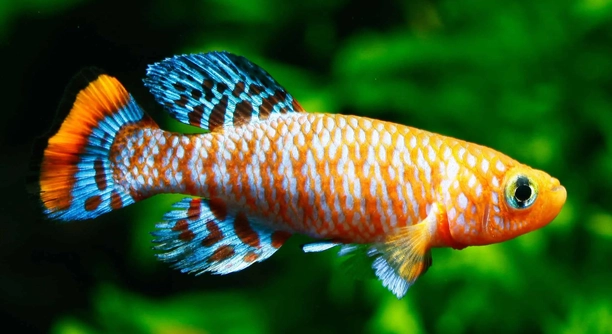
Is your killifish suddenly eating less or refusing food altogether? Many fish owners face this issue, wondering what might be causing the change in their pet’s appetite. Understanding the reasons behind this behavior is important for keeping your fish healthy.
Loss of appetite in killifish is often caused by stress, poor water quality, illness, or changes in their environment. These factors disrupt their natural feeding habits and can lead to weakened health if not addressed promptly.
Knowing what affects your killifish’s eating habits can help you take quick action. This article will explain the common causes and what you can do to help your pet regain its appetite.
Common Causes of Appetite Loss in Killifish
Appetite loss in killifish can stem from several key issues. One major cause is stress, which often occurs when the fish is moved to a new tank or when there are sudden changes in water temperature or quality. Poor water conditions, such as high ammonia or nitrite levels, can also make killifish stop eating. Illnesses like bacterial or parasitic infections affect their digestive system, leading to reduced appetite. Sometimes, improper diet or feeding schedules can confuse the fish, causing it to lose interest in food. Environmental factors, such as overcrowding or aggressive tank mates, add to stress and discourage eating. Recognizing these signs early and understanding their source is essential for quick treatment. Regularly checking water parameters and observing your killifish’s behavior can prevent long-term problems. Keeping a stable, clean environment with appropriate food will help maintain its appetite and overall health.
Addressing water quality and stress factors is the first step to restoring your killifish’s appetite.
Feeding your killifish with a consistent diet of high-quality food suited for their species supports their health. Avoid sudden changes in the tank environment to reduce stress and encourage regular eating habits.
How to Improve Your Killifish’s Appetite
Start by testing your tank’s water for ammonia, nitrites, nitrates, and pH levels. Keeping these parameters within the recommended range is critical. If water quality is poor, perform partial water changes and clean the tank carefully. Avoid overcrowding and provide hiding spots to make your killifish feel secure. Introducing live or frozen foods like brine shrimp or daphnia can stimulate their interest in eating. Feeding smaller portions multiple times a day rather than one large meal helps as well. Observe your fish closely for any signs of illness such as unusual spots, lethargy, or abnormal swimming patterns. If illness is suspected, consult a veterinarian experienced with fish or use appropriate treatments available at pet stores. Consistency in care and monitoring can quickly bring your killifish back to good health and normal eating patterns.
Monitoring Your Killifish’s Behavior
Changes in behavior often signal appetite issues. If your killifish is hiding more than usual or appears lethargic, it may be feeling unwell. Watch for rapid breathing or erratic swimming, which can also indicate stress or illness.
Tracking your killifish’s daily habits helps you spot problems early. For example, a sudden decrease in activity or spending more time near the surface can mean oxygen levels are low or water quality is poor. Noticing these subtle signs can guide you to take action before appetite loss worsens.
Some killifish may stop eating during breeding or molting cycles, which is natural but temporary. If you see no other symptoms, giving them time and maintaining stable tank conditions usually restores their appetite. Still, keep a close eye to ensure the issue doesn’t develop into something serious.
Importance of Tank Environment
A well-maintained tank supports your killifish’s health and appetite. Clean water, proper filtration, and stable temperature are essential. Avoid sudden changes that can stress the fish.
Plants and hiding spots create a comfortable habitat, reducing stress and encouraging natural behavior. Regular tank cleaning and monitoring water parameters prevent harmful buildup of toxins that discourage eating. Keeping compatible tank mates also matters; aggressive fish can cause stress and loss of appetite. Providing a quiet and stable environment helps your killifish feel safe and eat regularly.
Feeding Tips for a Picky Killifish
Offering a variety of foods can help stimulate your killifish’s appetite. Try live or frozen foods like bloodworms or brine shrimp to attract interest. Avoid overfeeding, as this can reduce their desire to eat.
Feeding smaller portions multiple times a day is better than one large meal. This approach mimics their natural feeding behavior and encourages consistent eating habits.
When to Consult a Vet
If your killifish shows prolonged appetite loss, lethargy, or physical changes like discoloration or sores, it’s time to seek professional help. Early diagnosis can prevent serious health problems.
Avoiding Common Mistakes
Avoid sudden changes in diet or tank conditions. Keep feeding schedules consistent, and never introduce untreated plants or new fish without quarantine to prevent disease spread.
FAQ
Why is my killifish suddenly not eating?
Sudden loss of appetite in killifish often results from stress, changes in water conditions, or illness. Even minor shifts in temperature, pH, or tank setup can upset them. Checking water quality and observing for signs of disease helps identify the cause quickly.
Can poor water quality make my killifish stop eating?
Yes, poor water quality is one of the most common reasons for appetite loss. High ammonia or nitrite levels irritate the fish and can damage their gills or digestive system. Regular water testing and partial water changes keep the environment safe and encourage normal feeding.
How can I tell if my killifish is sick?
Look for signs like lethargy, unusual swimming, clamped fins, or discoloration. White spots, sores, or swollen areas often indicate infection. These symptoms often come with a reduced appetite. If these appear, quarantine and treat your fish promptly.
Is it normal for killifish to eat less sometimes?
Yes, killifish sometimes eat less during breeding, molting, or when adjusting to a new tank. This usually lasts a few days and is not a concern if your fish remains active and healthy otherwise. Maintaining stable conditions can help speed recovery.
What types of food should I feed my killifish?
Killifish prefer live or frozen foods like brine shrimp, daphnia, and bloodworms. High-quality flakes or pellets designed for carnivorous fish can also work but may be less appealing. Offering variety keeps them interested and supports balanced nutrition.
How often should I feed my killifish?
Feeding smaller portions two to three times daily is best. This mimics their natural feeding habits and prevents leftover food from fouling the water. Avoid overfeeding, which can reduce appetite and harm water quality.
Can tank mates affect my killifish’s appetite?
Yes, aggressive or overly active tank mates can stress killifish and cause them to hide or stop eating. Choose peaceful companions and provide plenty of hiding spots to reduce competition and stress.
What water parameters are ideal for killifish?
Killifish generally prefer slightly acidic to neutral pH (6.0 to 7.5), temperatures between 72°F and 78°F (22°C–26°C), and low ammonia and nitrite levels. Keeping these stable encourages normal behavior and appetite.
How long does it take for a killifish to recover appetite?
Recovery depends on the cause. If the issue is water quality or mild stress, appetite can return within a few days after improvements. Illnesses may require treatment and longer recovery, sometimes up to two weeks.
Should I change the tank setup if my killifish stops eating?
Sudden changes can increase stress. Instead, focus on stabilizing water parameters and removing any stressful factors first. Only adjust the setup gradually if necessary and monitor your fish closely during changes.
Can temperature changes affect my killifish’s appetite?
Yes, temperature fluctuations can stress killifish, slowing metabolism and reducing hunger. Keep the tank heater steady and avoid placing the tank near drafts or direct sunlight to maintain consistent temperatures.
Is it necessary to quarantine new fish before adding them to the tank?
Quarantining new fish is important to prevent introducing diseases that could affect your killifish’s health and appetite. A separate quarantine tank for two to four weeks helps ensure new arrivals are healthy.
What signs show that my killifish is getting better?
Increased activity, brighter colors, and returning interest in food are good signs. Eating regularly and exploring the tank again usually means recovery is underway. Keep monitoring to ensure consistent progress.
Can I use medications to improve my killifish’s appetite?
Medications should only be used if there is a confirmed illness. Some treatments can be harsh and stress the fish further. Always follow dosage instructions carefully and consider consulting a vet for advice.
How important is tank cleanliness for my killifish’s appetite?
Very important. Dirty tanks can build up toxins and encourage disease, leading to appetite loss. Regular cleaning, gravel vacuuming, and filter maintenance keep the tank safe and encourage healthy feeding habits.
Keeping a killifish healthy and happy means paying close attention to its appetite. When a killifish stops eating, it usually signals that something in its environment or health is not quite right. Changes in water quality, stress, illness, or diet can all cause this behavior. It’s important to act quickly because prolonged loss of appetite can lead to serious health problems. Regularly checking water conditions and keeping the tank clean are key steps to prevent these issues. Making sure the tank is a calm and comfortable place for your killifish helps reduce stress and supports their natural feeding habits.
Sometimes, even with the best care, killifish may lose interest in food for a short time. This can happen during breeding or molting, or when adjusting to a new tank. In most cases, this is temporary and your fish will start eating again once it feels settled. Offering a variety of foods like live or frozen options can encourage your killifish to eat when they seem picky. Smaller, more frequent feedings often work better than one large meal. Watching your fish’s behavior closely will help you catch any warning signs early so you can respond quickly if the problem gets worse.
If you notice your killifish is still not eating after trying basic care steps, or if it shows signs of illness like spots, lethargy, or strange swimming, it is best to seek advice from a fish health expert. Sometimes medical treatment is necessary to help your killifish recover fully. Remember that patience and consistency are important. Maintaining good water quality, a stable environment, and a balanced diet will keep your killifish healthy over time. Taking care of these details ensures your fish stays active, eats well, and enjoys a long life in its tank.

Hello,
If you enjoy the content that we create, please consider saying a "Thank You!" by leaving a tip.
Every little bit helps us continue crafting quality advice that supports the health, happiness, and well-being of pets around the world, for pets of all shapes, sizes, and species.
We really appreciate the kindness and support that you show us!