
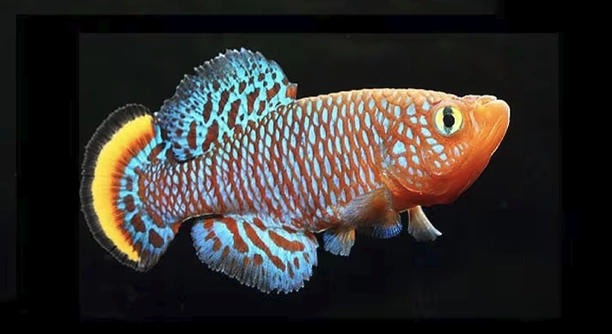
Killi fish are popular pets known for their vibrant colors and active nature. Sometimes, they may suddenly ignore food, which can be confusing for their owners. Understanding this behavior can help improve the care you provide for your fish.
Killi fish ignoring food is often linked to stress, illness, water quality issues, or changes in their environment. Poor diet, improper tank conditions, or disease can reduce their appetite, requiring prompt attention to ensure their health and well-being.
Learning the common reasons behind this behavior can help you act quickly and keep your killi fish healthy and thriving in their aquatic home.
Common Causes of Food Ignorance in Killi Fish
Killi fish may stop eating due to several common reasons. Stress is a major factor. Changes in water temperature, poor water quality, or sudden moves can cause stress and make your fish lose interest in food. Illness is another cause; infections or parasites often reduce appetite. Sometimes, the fish might be adjusting to new food types or tank mates. Overfeeding can also lead to disinterest, as the fish may already feel full or uncomfortable. Lastly, water conditions such as pH imbalance, ammonia, or nitrite spikes can affect their health and eating habits. Keeping their environment stable and clean helps prevent many of these problems.
Monitoring your tank’s water parameters regularly can help you catch problems early and prevent your killi fish from ignoring food.
Maintaining proper water conditions and minimizing stress are key to encouraging your killi fish to eat regularly and stay healthy in their tank.
How to Encourage Your Killi Fish to Eat
Patience is important when encouraging a killi fish to start eating again. Introduce food gradually and avoid sudden changes in diet. Feed small amounts to prevent overfeeding, which can discourage appetite. Regular feeding schedules help your fish develop a routine. Ensure the food is appropriate for killi fish, such as live or frozen brine shrimp and daphnia. Observe your fish during feeding to notice any unusual behavior or signs of illness. Keep the tank clean and maintain water quality to create a healthy environment that supports their appetite.
If your fish continues to refuse food, consult a veterinarian specializing in aquatic animals to rule out illness and receive proper treatment options.
Stress and Environmental Factors
Stress is one of the main reasons killi fish stop eating. Changes in their surroundings, such as moving the tank or introducing new fish, can cause them to feel unsafe.
Stress can weaken your fish’s immune system, making them more prone to illness and less interested in food. Sudden changes in water temperature or poor water quality also increase stress levels. Maintaining stable water conditions and avoiding loud noises or frequent disturbances around the tank can help your fish feel more comfortable and reduce stress-related appetite loss.
Providing plenty of hiding spots and keeping the environment consistent helps your killi fish adapt better. Reducing stress improves their overall health and encourages a regular eating routine, which is important for their growth and vitality.
Illness and Disease
Illness can cause killi fish to lose their appetite quickly. Common diseases include bacterial infections, parasites, and fungal growths that affect their health.
Sick fish may display other symptoms like lethargy, discoloration, or abnormal swimming behavior. If you notice these signs along with food refusal, it is important to act promptly. Quarantining the affected fish and treating the tank can help stop the spread of disease. Using appropriate medications after proper diagnosis supports recovery and encourages your fish to eat again.
Early intervention is key. Ignoring signs of illness can lead to more serious health problems. Regular tank maintenance and observation help prevent disease and keep your killi fish healthy and eating well.
Water Quality Issues
Poor water quality can quickly cause a killi fish to stop eating. High ammonia or nitrite levels are toxic and stressful.
Regular water testing and timely water changes keep the environment safe. Clean, stable water encourages your fish to eat normally and stay healthy.
Overfeeding and Diet Problems
Overfeeding is a common mistake that leads to food refusal. Uneaten food decays, worsening water quality and making the fish less interested in eating.
Killi fish need a balanced diet with high-quality live or frozen foods. Avoid feeding too much at once, and remove leftovers promptly. Offering a variety of foods keeps them interested and nourished.
Adjusting to New Food
Introducing new foods can cause temporary rejection. Your fish may need time to recognize and accept unfamiliar food.
Gradually mixing new foods with old ones helps your killi fish adjust without stress or appetite loss.
FAQ
Why is my killi fish suddenly ignoring food?
Sudden food refusal in killi fish usually points to stress, illness, or changes in their environment. Stress from new tank conditions, aggressive tank mates, or poor water quality can cause this. Illness or parasites may reduce their appetite. It’s important to check water parameters and observe for any physical signs of disease.
How do I know if my killi fish is sick?
Look for symptoms like lethargy, faded colors, clamped fins, unusual swimming, or visible spots. Loss of appetite is often one of the first signs. If you notice any of these, isolate the fish and consider consulting a specialist. Early treatment can prevent worsening health.
Can water temperature affect my killi fish’s eating habits?
Yes, killi fish prefer stable temperatures around 72-75°F (22-24°C). Sudden drops or rises can stress them and reduce appetite. Use a reliable heater and thermometer to keep temperature steady.
How often should I feed my killi fish?
Feed small amounts once or twice daily. Overfeeding leads to leftover food, which pollutes the tank and can cause your fish to lose interest in eating. A small feeding session keeps them healthy and active.
What types of food are best for killi fish?
Killi fish thrive on live or frozen foods like brine shrimp, daphnia, and bloodworms. They also accept high-quality flake or pellet food. Variety in diet helps maintain their health and stimulates appetite.
Can tank mates affect my killi fish’s eating?
Yes, aggressive or overly active tank mates can stress your killi fish, causing them to hide or avoid food. Choose peaceful companions and provide enough hiding spots to reduce stress.
How can I improve my killi fish’s appetite?
Maintain clean water and a stable environment. Offer varied foods and feed at consistent times. Reducing stressors in the tank helps. If your fish refuses food for more than a few days, check for illness or water issues.
Is it normal for killi fish to skip meals sometimes?
Occasionally skipping a meal is not uncommon and usually not a problem if the fish looks healthy. Prolonged refusal to eat, however, needs attention to water conditions or health.
What should I do if my killi fish won’t eat for several days?
Test your water for ammonia, nitrite, and nitrate levels. Look for illness signs and isolate the fish if necessary. Try offering live food or changing diet to encourage eating. Consult a vet if no improvement occurs.
Can water changes affect feeding behavior?
Yes, large or frequent water changes can stress your fish, causing temporary appetite loss. Perform regular but moderate water changes to maintain balance and avoid shocking the fish.
Killi fish ignoring food can be worrying, but it often signals something that can be fixed with proper care. Stress, illness, and water quality are the most common reasons for this behavior. Paying attention to these factors helps create a healthy environment for your fish. When you keep the water clean, stable, and free of harmful chemicals, your killi fish is more likely to feel comfortable and eat regularly. Small changes, like adjusting water temperature or removing aggressive tank mates, can make a big difference in encouraging your fish to regain their appetite.
Feeding your killi fish the right diet is also very important. Live and frozen foods such as brine shrimp or daphnia are ideal choices, but high-quality flakes or pellets can work too. Avoid overfeeding since leftover food pollutes the water and may cause your fish to lose interest in eating. A balanced diet, combined with a consistent feeding schedule, supports your fish’s health and vitality. Remember that it may take some time for your fish to adjust to new foods or changes in their environment, so patience is key.
If your killi fish continues to ignore food despite your efforts, it could be a sign of illness or an underlying problem. Watching for signs like changes in behavior, color, or swimming patterns helps catch issues early. When needed, consulting a vet who specializes in aquatic animals can provide guidance and treatment. Overall, regular monitoring and good tank maintenance are essential. By understanding the needs of your killi fish and responding quickly to changes, you can help ensure they stay healthy and enjoy their meals again.

Hello,
If you enjoy the content that we create, please consider saying a "Thank You!" by leaving a tip.
Every little bit helps us continue crafting quality advice that supports the health, happiness, and well-being of pets around the world, for pets of all shapes, sizes, and species.
We really appreciate the kindness and support that you show us!