
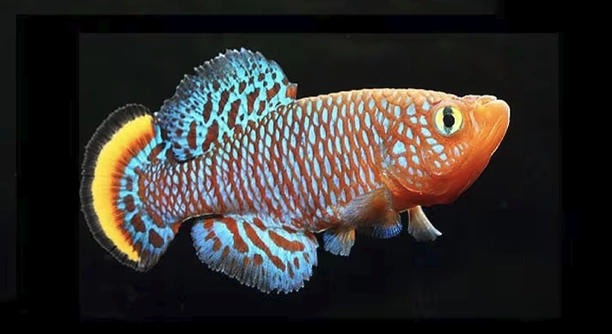
Keeping a killifish breeding pair healthy takes patience and care. Many enthusiasts face challenges when their killis don’t spawn as expected. This can be frustrating but is a common experience for both new and seasoned hobbyists.
The primary reasons a killifish breeding pair may not spawn include unsuitable water conditions, stress, improper diet, or lack of a proper spawning environment. Addressing these factors is essential to encourage successful breeding behavior.
Understanding these causes will help improve your chances of seeing eggs and fry soon. Small changes can make a big difference in your killifish’s breeding success.
Water Conditions and Their Impact on Breeding
Maintaining the right water conditions is crucial for killifish to spawn. They are sensitive to changes in pH, temperature, and hardness. Ideally, the water should be soft and slightly acidic, with a pH around 6.0 to 7.0. Temperature should stay consistent between 72°F and 78°F. Sudden fluctuations can stress the fish and prevent spawning. Regular water changes help keep the environment clean and stable. Using dechlorinated water and testing regularly will ensure the right parameters are met. If water conditions are off, killifish may become less active and refuse to breed. Some pairs need a specific type of substrate, like peat moss or spawning mops, to encourage egg-laying. Paying close attention to these details creates a comfortable space where your pair feels safe enough to reproduce. Many skip these steps, not realizing how much they affect spawning behavior.
Poor water quality often leads to stress, which kills breeding motivation quickly.
Adjusting water parameters takes time but is essential. Using a reliable test kit to monitor levels is helpful. If needed, acclimate fish slowly to new water conditions to avoid shock. The right environment sets a solid foundation for breeding success and healthier offspring.
Diet and Stress Factors
A varied, nutritious diet is important for breeding readiness. Killifish need live or frozen foods like daphnia, brine shrimp, or bloodworms to build energy for spawning. Feeding high-quality food regularly helps keep their health optimal. Stress, often caused by overcrowding or aggressive tank mates, can halt breeding altogether. Removing disturbances and giving the pair plenty of space encourages natural behaviors. Quiet surroundings and minimal handling reduce stress. In some cases, isolating the breeding pair in a separate tank helps them focus on spawning without interruptions. Regular observation allows quick action if signs of stress appear, like hiding or lethargy.
Stress and poor diet can delay spawning by weakening the fish’s condition.
Taking steps to improve feeding and minimize stress enhances breeding chances significantly. Creating a calm, well-fed environment supports natural instincts and boosts reproductive success.
Spawning Environment Setup
Creating the right spawning environment is key to encouraging killifish to lay eggs. They often prefer dense plants, spawning mops, or peat moss as a place to deposit eggs.
Providing a safe and suitable environment mimics their natural habitat. Spawning mops made of yarn or fine mesh give the female a place to hide eggs safely. Peat moss traps eggs and keeps them moist, which is essential for some species. Plants also provide cover and reduce stress. Without a proper spawning site, pairs may ignore breeding altogether. Observing their behavior can help you identify if the environment suits their needs.
Sometimes, adjusting the tank setup is all that’s needed. Changing the substrate or adding floating plants can make a noticeable difference. It helps the pair feel secure and encourages natural spawning behavior.
Breeding Cycle and Timing
Killifish often follow seasonal breeding cycles tied to water conditions. Mimicking these changes can stimulate spawning. Gradually lowering and raising the water temperature or changing water hardness signals breeding time.
Some species breed only during specific periods or after environmental changes, so patience is necessary. Understanding your killifish’s natural breeding habits can improve timing. Providing fresh water changes and slight temperature shifts can trigger spawning. Tracking the breeding cycle helps prepare the right environment and care. Regular observation allows you to catch signs of readiness, such as increased activity and chasing behavior. Timing breeding attempts to their natural rhythm makes success more likely.
Pair Compatibility Issues
Not all killifish pairs are compatible for breeding. Sometimes, behavioral differences or aggression prevent spawning. Observing their interactions helps identify compatibility problems.
If the pair fights often or ignores each other, they may not be a good match. Trying a different pairing might be necessary for successful breeding.
Lighting and Tank Setup
Proper lighting encourages natural behavior and helps regulate the fish’s daily cycle. Too much light can stress killifish, while too little may reduce activity. A balanced light schedule of about 10–12 hours per day is best. Dimming lights during spawning periods can make the fish feel safer, which supports breeding.
Egg Care and Incubation
Once eggs are laid, caring for them properly is vital. Some killifish eggs need specific humidity and temperature conditions to develop. Removing eggs to a separate tank or container often increases survival rates. Keeping the water clean and stable during incubation helps prevent fungus and improves hatch success.
Common Mistakes to Avoid
Overhandling the fish or eggs can cause stress and reduce breeding success. Patience and careful observation are key to avoiding problems.
FAQ
Why is my killifish pair not spawning even though conditions seem perfect?
Sometimes, even when everything looks right, subtle factors can stop spawning. Stress is often hidden—noise, vibrations, or sudden changes may unsettle your fish. Also, age matters; very young or old pairs might not breed well. Patience is important, as some killifish take time to adjust before spawning. Checking all details like diet, water, and environment again can help identify overlooked issues.
How long does it usually take for killifish to start spawning after pairing?
It varies by species and conditions but often takes one to two weeks. Some pairs need more time to settle and establish dominance or comfort in their environment. Monitoring their behavior during this period helps—look for chasing or mating displays. If nothing happens after several weeks, reconsider water parameters or compatibility.
Can killifish spawn without live plants or spawning mops?
Yes, but many killifish prefer specific spawning substrates like mops or plants for laying eggs. Without these, they might not spawn or could lay eggs in unsafe places where eggs get eaten or lost. Providing spawning mops or peat moss improves chances significantly.
What water parameters are best for killifish breeding?
Killifish generally prefer soft, slightly acidic water with pH between 6.0 and 7.0 and temperature around 72°F to 78°F. Regular water changes and keeping ammonia and nitrites at zero are essential. Slight fluctuations mimicking natural seasonal changes can encourage spawning.
How important is diet for killifish breeding?
Diet is very important. Killifish need high-quality live or frozen foods such as daphnia, bloodworms, or brine shrimp. These foods help build energy for spawning. Feeding multiple small meals daily can improve their health and readiness.
What signs show that my killifish pair is ready to spawn?
Common signs include increased activity, chasing, and the male displaying brighter colors. The female may appear swollen with eggs and show interest in the spawning site. These behaviors usually mean spawning is near.
Is it necessary to separate eggs from the breeding tank?
For many killifish species, removing eggs to a separate container or tank is recommended. It prevents eggs from being eaten by adults and allows better control of incubation conditions like temperature and humidity. Some species have different needs, so researching your specific killifish is helpful.
How long do killifish eggs take to hatch?
Egg incubation time varies by species and temperature but generally ranges from 10 days to several weeks. Some species produce annual eggs that can survive dry periods and hatch after months when placed in water.
Can stress prevent killifish from spawning?
Yes, stress is a major factor. Overcrowding, aggressive tank mates, loud noises, or sudden environmental changes can all cause stress. Stress weakens the fish and reduces breeding instincts. Minimizing disturbances and providing a quiet, calm environment helps.
What should I do if my killifish keep eating their eggs?
Egg predation is common. To prevent this, provide plenty of hiding spots or remove eggs quickly to a separate container. Some breeders use spawning mops or peat moss to protect eggs. Ensuring the pair is well-fed can also reduce egg eating.
How often should water be changed during breeding?
Regular water changes are important to keep water clean and stable. Changing 20–30% of the water once or twice a week is typical. Avoid large or sudden changes that can shock the fish. Use dechlorinated water matching the tank’s temperature and chemistry.
Can lighting affect killifish spawning behavior?
Yes, lighting plays a role. Too bright or constant light can stress fish. A balanced schedule of about 10–12 hours per day with some dimming encourages natural behavior. Adjust lighting if fish appear stressed or inactive.
Is it necessary to mimic seasonal changes for breeding?
Mimicking seasonal changes like temperature drops or water hardness shifts can trigger spawning for some species. These signals remind fish of natural breeding seasons. Gradual changes work best to avoid stressing them.
What are the most common mistakes that stop killifish from spawning?
Common mistakes include poor water quality, incorrect diet, lack of spawning substrate, overcrowding, and frequent disturbances. Overhandling fish or eggs also causes stress. Being patient and consistent with care improves chances.
Can killifish breed in community tanks?
Breeding in community tanks is difficult because other fish may stress the pair or eat eggs and fry. It’s better to breed killifish in a separate tank designed for their needs.
How do I care for fry after hatching?
Feed newly hatched fry tiny live foods like infusoria or baby brine shrimp. Keep water clean and stable with gentle filtration. Avoid overcrowding fry tanks and provide plenty of hiding spaces.
These answers cover many common challenges in killifish breeding. Following these guidelines improves success and helps create a healthy environment for your pair.
Breeding killifish can sometimes be challenging, but understanding the basic needs of your fish makes a big difference. It’s important to pay attention to water conditions, diet, and the environment you provide for your pair. Small changes in these areas often lead to better breeding results. Killifish need stable, clean water with the right temperature and pH to feel comfortable. Providing the right kind of spawning site, like plants or spawning mops, also encourages natural behavior. Making sure your fish are well-fed with nutritious food helps them build energy to reproduce.
Stress is one of the main reasons killifish pairs may not spawn. Factors like loud noises, aggressive tank mates, or overcrowded tanks can stop spawning completely. Keeping your fish in a quiet, calm environment allows them to feel safe. If possible, giving the breeding pair their own tank helps reduce stress and increases chances of success. Watching how they behave can tell you a lot—if they seem restless or aggressive, or if they avoid each other, it could be a sign of stress or incompatibility. Sometimes, trying a different pairing or adjusting conditions slightly will help.
Breeding killifish takes patience and careful attention. Not every pair will spawn right away, and some may need several weeks or changes in their environment before they start. It’s helpful to learn about the specific species you have because their needs and breeding habits can vary. Keeping track of water quality, diet, lighting, and tank setup improves the chances of seeing eggs and healthy fry. With time and care, breeding your killifish can become a rewarding experience that helps you better understand these unique fish.

Hello,
If you enjoy the content that we create, please consider saying a "Thank You!" by leaving a tip.
Every little bit helps us continue crafting quality advice that supports the health, happiness, and well-being of pets around the world, for pets of all shapes, sizes, and species.
We really appreciate the kindness and support that you show us!