
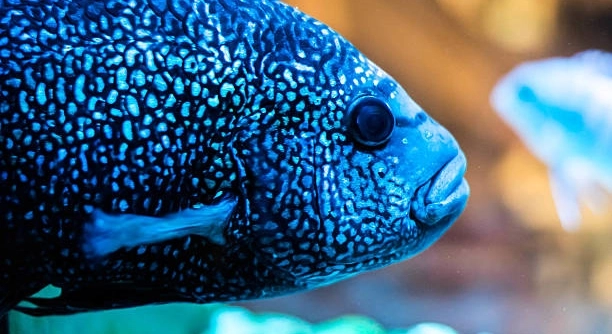
Many aquarium owners notice subtle shifts in their Jack Dempsey fish appearance over time, creating concern and curiosity. Color changes can feel confusing, especially when routines stay consistent and care seems proper at home daily.
The primary reason a Jack Dempsey fish changes color relates to stress, maturity, and environmental conditions. Variations in water quality, diet, lighting, and social hierarchy influence pigment expression, causing temporary or permanent shifts in coloration within captive aquarium environments commonly.
Recognizing these influences helps improve daily care decisions and supports stable coloration, overall health, and long-term comfort for your fish.
Environmental Stress and Color Changes
Jack Dempsey fish are highly responsive to their surroundings, and color changes often reflect shifts in their environment. Water temperature, pH levels, and ammonia presence play a strong role in pigment intensity. When conditions fluctuate, the fish may appear dull, pale, or unusually dark. Sudden tank changes, aggressive tank mates, or overcrowding can also increase stress levels. Stress affects hormone regulation, which directly influences coloration. Even routine maintenance performed too quickly can trigger visible changes. Stable parameters, gradual adjustments, and a calm tank layout help reduce unnecessary stress. Hiding spots, consistent lighting schedules, and proper filtration further support visual stability. Over time, a well-maintained environment allows natural colors to return and remain consistent, helping the fish appear healthier and more confident in its space. This stability supports normal behavior, feeding patterns, and long-term resilience within home aquariums when conditions remain predictable for extended periods without constant disruption or instability present.
Short-term color shifts are often reversible when stress is addressed promptly. Maintaining steady water values and avoiding sudden changes allows the fish to regain its typical appearance without long-lasting effects. Patience and consistency are essential during this adjustment period to support full recovery in most home tanks over time naturally.
Environmental factors are not always dramatic, yet their combined effect matters. Slight temperature drops overnight, inconsistent feeding schedules, or irregular lighting can slowly alter coloration. I learned that even minor lapses add up. Establishing routines creates predictability, which reduces physiological strain. Monitoring water parameters weekly and logging results helps spot trends early. Using a heater guard, timer-controlled lights, and measured feeding portions improves consistency. These small habits build a stable setting where Jack Dempsey fish can maintain vibrant, balanced coloration while displaying natural behaviors without unnecessary stress responses over extended care periods within a home aquarium with proper planning applied.
Diet, Age, and Natural Pigmentation
Color changes can also relate to diet quality and natural development. As Jack Dempsey fish mature, their pigmentation may deepen or shift. Nutrient-rich foods support stable coloration, while poor diets may lead to faded or uneven tones over prolonged feeding periods in captive environments with limited variety available long-term health.
Diet plays a direct role in pigment strength because color expression depends on nutritional intake. Foods containing carotenoids, quality proteins, and balanced vitamins help maintain deeper blues and darker patterning. Inconsistent feeding or low-grade food can gradually reduce vibrancy. Age also matters. Juvenile Jack Dempsey fish often display different coloration than adults, and changes may appear as part of normal growth. Hormonal shifts during maturity influence how pigments settle in the skin. From personal experience, maintaining a rotating diet produced steadier results. Offering pellets, frozen foods, and occasional live options supports balanced nutrition. Overfeeding should be avoided, as it affects water quality and stress levels. Observing feeding behavior helps fine-tune portions. When diet and age-related changes are understood together, color variation feels less concerning and easier to manage through consistent care. Tracking growth stages alongside diet adjustments provides clearer expectations. Color shifts linked to maturity often stabilize with time. Consistent observation prevents unnecessary intervention. Accepting gradual change as natural reduces anxiety and supports healthier long-term aquarium management overall. Balanced care relies on patience, routine, and informed feeding decisions applied steadily across all stages of development to maintain visual consistency without constant adjustments that disrupt stability within closed systems long term.
Tank Mates and Social Behavior
Jack Dempsey fish react strongly to social dynamics, and color changes often signal dominance or discomfort. When housed with aggressive or mismatched tank mates, stress hormones increase, causing darker tones or washed-out coloration that reflects unease rather than natural patterning over time within confined aquariums with limited retreat space available.
Social hierarchy plays a major role in how a Jack Dempsey displays color. Dominant fish often appear darker and more intense, while submissive individuals fade. Constant chasing, fin nipping, or lack of hiding areas prolongs stress responses. I noticed color loss when tank mates crowded feeding zones. Separating incompatible fish or upgrading tank size reduces tension. Providing caves and visual breaks helps establish boundaries. Observation during feeding and rest periods reveals problems early. Balanced stocking allows each fish to settle into a stable role, which supports consistent coloration and calmer behavior across daily routines without ongoing territorial pressure or intimidation.
Long-term exposure to social stress can lead to lasting color dullness even after conditions improve. Stress weakens immune response and slows pigment recovery. I learned that temporary isolation sometimes helps reset behavior. Rearranging decor can also disrupt established aggression patterns. Introducing tank mates carefully and avoiding sudden additions prevents hierarchy shock. Quarantine periods reduce risk. Each fish needs space to claim territory without constant confrontation. Stable social balance supports brighter coloration, improved appetite, and predictable behavior. Addressing social issues early prevents chronic stress and preserves the natural appearance of Jack Dempsey fish through consistent management and thoughtful stocking choices applied.
Lighting and Tank Setup
Lighting influences how Jack Dempsey coloration appears and develops. Excessively bright lights can cause fading, while insufficient lighting dulls contrast. Inconsistent light cycles disrupt biological rhythms. I found that stable lighting reduced stress behaviors. Using timers ensures regular day and night patterns. Avoid sudden intensity changes during maintenance. Balanced lighting highlights natural hues without overwhelming the fish or encouraging stress-driven color shifts within enclosed aquariums where visual conditions remain entirely controlled by the owner consistently.
Tank setup works alongside lighting to influence coloration stability. Dark substrates often deepen colors, while bare tanks can increase stress. Backgrounds reduce reflection and pacing. I noticed improved color after adding plants and driftwood. These elements break sight lines and offer retreat. Placement matters. Open swimming areas balanced with cover reduce anxiety. Equipment noise and vibration should be minimized. Secure heaters and filters prevent constant disturbance. Clean glass supports consistent light diffusion. A thoughtfully arranged tank creates predictability. When surroundings feel controlled and familiar, Jack Dempsey fish maintain stronger coloration, show steady behavior, and adapt better to routine care without ongoing visual or environmental strain. This approach helped me reduce sudden color shifts during long-term care by maintaining consistent layout and equipment placement over time.
Health-Related Color Changes
Color changes may signal underlying health concerns that should not be ignored. Parasitic infections, bacterial issues, and internal stress can alter pigmentation. Pale patches or sudden darkening often appear alongside lethargy, appetite loss, or abnormal swimming patterns that indicate discomfort, requiring prompt observation and careful response from attentive aquarium keepers.
Routine observation helps separate normal color shifts from illness-related changes. I watch for breathing rate, fin condition, and feeding behavior daily. When multiple symptoms appear together, color change becomes more meaningful and often signals the need for water testing or treatment adjustments to prevent worsening stress and prolonged health decline.
Natural Color Variation
Not all color changes indicate a problem, as natural variation occurs throughout a Jack Dempsey fish life. Breeding readiness, mood, and activity level influence pigmentation. During rest, colors may fade slightly, while heightened alertness can deepen contrast. I noticed brighter tones during feeding and territory defense. These shifts are temporary and balanced. Recognizing normal variation prevents unnecessary intervention. Stable behavior, regular eating, and consistent movement usually confirm good health. When color changes occur without other symptoms, observation is often enough. Accepting natural fluctuation reduces stress for both keeper and fish over time, supporting calmer care decisions without worry or overreaction.
Monitoring and Response
Consistent monitoring helps determine when color change requires action. I rely on routine testing, stable maintenance schedules, and visual checks. When color shifts align with behavior changes, responding early prevents escalation. Calm observation paired with steady care often restores balance without drastic intervention in well-managed home aquariums over extended periods.
FAQ
Why is my Jack Dempsey fish turning pale?
Pale coloration usually signals stress, poor water quality, or diet deficiencies. I noticed my fish lose brightness when ammonia or nitrite levels rose slightly. Ensuring consistent water parameters, balanced feeding, and calm tank conditions helps restore normal pigmentation over time without drastic measures.
Can age affect my Jack Dempsey’s color?
Yes. Juvenile fish often display muted colors compared with adults. As they mature, pigmentation naturally deepens and patterns develop. I observed my younger fish slowly gaining vibrant blues and darker body markings as it reached full size over several months. Age-related color shifts are normal and expected.
Do tank mates influence color changes?
Absolutely. Aggressive or dominant tank mates can cause stress, leading to darker or faded colors. I had one fish that became very pale when housed with a particularly territorial tank mate. Separating fish or providing more hiding spots helped restore its natural hues.
Does lighting affect Jack Dempsey coloration?
Lighting intensity and consistency directly affect how colors appear. Too bright or fluctuating light can stress the fish, dulling pigments. I set timers to create a stable day-night cycle, and using slightly subdued lighting emphasized natural blues and greens without overwhelming the fish.
How does diet impact color?
A nutrient-rich diet is essential for maintaining vibrant colors. Foods high in carotenoids and quality proteins support pigment development. I rotate pellets, frozen foods, and occasional live meals to ensure consistent vibrancy. Poor-quality or monotonous diets often result in fading or uneven patterns over time.
Can stress from water changes cause color loss?
Yes. Sudden or large water changes can shock a fish, leading to temporary color loss. I always perform gradual adjustments and monitor water temperature and pH to minimize stress. Slow, controlled changes prevent abrupt shifts in coloration and behavior.
Are color changes always permanent?
Not always. Many shifts are temporary responses to stress, social dynamics, or environmental factors. I noticed my fish darken after aggressive interactions but return to normal after a few days in a calm setup. Permanent changes usually indicate age, genetic factors, or chronic conditions.
Should I worry if my fish changes color suddenly?
Sudden changes warrant attention but not immediate panic. I first check water quality, feeding, and tank interactions. Monitoring behavior alongside coloration helps determine if action is needed. Immediate intervention is usually required only when combined with lethargy, rapid breathing, or physical damage.
How can I maintain consistent coloration?
Stable water conditions, balanced diet, proper lighting, and careful selection of tank mates are key. I maintain weekly parameter checks, provide routine feeding, and ensure hiding spots are available. Predictable care routines help prevent unnecessary color fluctuations over time.
Do natural mood changes affect color?
Yes. Excitement, alertness, and territorial displays can temporarily deepen pigmentation. I noticed my fish intensify its colors during feeding or when defending territory. These shifts are temporary and should return to baseline once the fish relaxes.
Can illness be detected through color changes?
Often. Pale, blotchy, or unusually dark areas combined with other symptoms like clamped fins, erratic swimming, or appetite loss may indicate infection or parasites. I always test water and observe behavior carefully before considering treatment, as early detection improves recovery chances.
Is it normal for juveniles to have different colors than adults?
Yes. Young Jack Dempsey fish are naturally less colorful. Over time, as they grow, vibrant blues, greens, and dark patterns develop. I tracked my fish’s color changes from muted tones to full adult patterning over several months, which helped me recognize normal developmental changes.
Can repeated tank rearrangement affect color?
Frequent changes can stress fish and cause temporary color loss. I keep decorations and hiding spots stable, only making adjustments slowly. Sudden environmental shifts trigger hormonal responses that dull pigmentation, so predictability supports consistent coloration.
How long does it take for colors to return after stress?
Recovery time depends on the cause. Minor stress often resolves in a few days, while prolonged issues may take weeks. I observed that consistent care, stable water, and safe tank mates accelerate pigment restoration. Patience is key to avoid unnecessary interventions.
What signs indicate that color change is natural versus problematic?
Natural changes are gradual, occur with mood or age, and the fish remains active and eating. Problematic changes are sudden, persistent, and come with stress behaviors or physical symptoms. I use behavior and feeding response as a guide to differentiate between the two.
Can genetics affect color intensity?
Yes. Some Jack Dempsey strains naturally exhibit more muted or vibrant tones. I noticed siblings from the same batch with varying intensity. Genetics set a baseline, but environment and care largely determine how the colors appear in daily life.
Is seasonal change a factor?
Seasonal light and temperature fluctuations may slightly influence color. I maintain controlled aquarium conditions to minimize seasonal effects, but small variations in natural lighting or room temperature can subtly affect pigment over time.
How do I reduce stress-induced color changes?
Predictable routines, stable water parameters, hiding spots, compatible tank mates, and gradual changes reduce stress. I found that consistent feeding times and avoiding sudden disturbances helped maintain vibrant coloration in my fish over extended periods.
Are darkened colors always negative?
Not necessarily. Darkening can indicate dominance, readiness to breed, or increased alertness. I noticed my dominant fish darken during territory defense, which returned to normal once it felt secure. Observing context helps interpret color changes accurately.
Can overfeeding affect coloration?
Yes. Overfeeding impacts water quality, creating stress that dulls color. I monitor portions carefully, remove excess food, and maintain filtration. Controlled feeding supports both color intensity and overall health, preventing unnecessary pigment loss over time.
Does tank size influence color?
Smaller or overcrowded tanks increase stress and can lead to faded or uneven coloration. I upgraded to a larger tank with adequate swimming space and hiding spots, which helped my fish regain vibrant hues and calmer behavior in a more comfortable environment.
What is the most common reason for color change in home tanks?
Stress from environment, tank mates, or water quality issues is the primary factor. I observed that once these elements were stabilized, most color changes reversed naturally. Regular monitoring, routine care, and patience are the most effective ways to maintain healthy pigmentation in Jack Dempsey fish.
Jack Dempsey fish are naturally vibrant and dynamic, but their coloration can change for several reasons. Observing a shift in color does not always indicate a serious problem. Often, it reflects normal responses to the environment, social dynamics, or natural development. Factors such as water quality, tank size, lighting, and diet all influence how pigments are expressed. I have found that maintaining stable water parameters and a consistent care routine helps reduce sudden or extreme color changes. Even small fluctuations, like slight temperature shifts or changes in pH, can make a noticeable difference in how the fish looks. By keeping a regular schedule for feeding and water testing, many of these minor stress-related color changes can be prevented.
Age and maturity also play a role in the coloration of Jack Dempsey fish. Juveniles tend to have muted colors, while adults develop deeper blues, greens, and darker patterning. Hormonal shifts during growth can temporarily alter appearance, but these changes are natural and usually stabilize over time. Social interactions are another important factor. When housed with aggressive or dominant tank mates, fish may appear darker or faded due to stress. Providing sufficient space, hiding spots, and observing behavior closely helps ensure a calmer tank environment. Diet has a direct effect on color intensity as well. Foods rich in carotenoids, protein, and vitamins support healthy pigmentation, while poor-quality or inconsistent feeding may result in duller tones. I have seen firsthand how introducing a varied diet and monitoring portions improves overall appearance and vitality.
Understanding the different causes of color change allows for more effective care without overreacting to every shift. Not all changes require intervention, especially when the fish remains active, eats well, and behaves normally. Monitoring water quality, providing a stable environment, and observing social behavior are the most important steps for maintaining consistent coloration. Temporary changes in mood, activity, or minor environmental stress are normal and usually reversible. Patience and careful observation are key to ensuring that Jack Dempsey fish maintain their natural colors and remain healthy over the long term. By addressing environmental, dietary, and social factors thoughtfully, it is possible to support both their appearance and overall well-being in a home aquarium.

Hello,
If you enjoy the content that we create, please consider saying a "Thank You!" by leaving a tip.
Every little bit helps us continue crafting quality advice that supports the health, happiness, and well-being of pets around the world, for pets of all shapes, sizes, and species.
We really appreciate the kindness and support that you show us!