
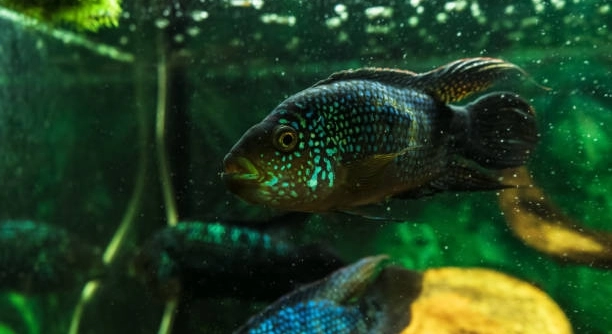
Have you ever noticed your Jack Dempsey fish breathing faster than usual and acting uneasy in its tank, making the aquarium feel a little worrying despite your daily care and attention at home today inside.
The primary cause of rapid breathing in Jack Dempsey fish is environmental stress, most often linked to poor water quality. Elevated ammonia, nitrite, low oxygen levels, or improper temperature force increased gill movement to maintain necessary oxygen intake for survival.
Recognizing these warning signs early allows better care decisions and supports a calmer, healthier environment for your fish over time.
Water Quality and Oxygen Levels
Fast breathing in Jack Dempsey fish is often tied to changes in water quality inside the tank. Ammonia and nitrite can rise quickly from leftover food, waste, or infrequent water changes. These compounds irritate the gills and reduce oxygen absorption. Low dissolved oxygen can also occur in warm water or crowded tanks. When oxygen drops, gill movement increases as the fish tries to compensate. Poor filtration and weak surface agitation add to this problem. Even clear water can hold harmful parameters that stress the fish over time. I learned that relying on appearance alone is not enough. Regular testing helps reveal hidden issues before they worsen. Stable water conditions support calm behavior, steady breathing, and stronger immunity. Small adjustments made consistently are often more effective than sudden large changes that disrupt balance. This approach reduces panic and builds confidence in daily care routines for both fish and keeper alike today.
Testing water weekly and performing partial water changes can quickly lower stress levels. Gentle surface movement from filters or air stones improves oxygen exchange. These simple habits create a stable environment where breathing patterns return to normal without drastic intervention. Consistency matters more than occasional intensive cleaning sessions over time.
Jack Dempsey fish are sensitive to sudden shifts, especially temperature swings. Water that is too warm holds less oxygen, while cold water slows metabolism and stresses the body. Heaters should be reliable and checked often. Tank size also plays a role, since cramped spaces limit oxygen availability. Overstocking increases waste and competition, leading to faster breathing. I noticed improvements after spacing feedings and monitoring temperature daily. Balanced stocking, steady heat, and mindful feeding support healthier gills. Over time, the fish appears calmer, eats better, and rests more comfortably. These changes helped me feel more at ease as well each day.
Stress, Illness, and Behavior Changes
Stress can also cause rapid breathing, even when water tests appear normal. Aggressive tank mates, loud surroundings, or frequent disturbances increase tension. Jack Dempseys react physically to ongoing pressure, and their gills respond quickly when they feel unsafe. This response is instinctive and protective during prolonged exposure to stressors nearby.
Fast breathing may sometimes signal illness, especially if paired with lethargy, clamped fins, or loss of appetite. Gill infections, parasites, and bacterial issues interfere with oxygen uptake. Visual inspection of the gills can reveal redness or excess mucus. Quarantine tanks are helpful for observation and treatment without adding pressure to the main tank. Medication should match the specific condition and be used cautiously. Overuse can weaken the fish further. Stress and illness often overlap, making early observation important. I make it a habit to watch behavior during feeding and quiet hours. Subtle changes appear before serious symptoms develop. Clean water supports recovery, but rest is equally important. Reducing light, noise, and interaction gives the fish space to stabilize. Consistent routines create predictability, which lowers stress responses. With patience and steady care, breathing rates often normalize, and overall strength gradually returns. Monitoring progress daily prevents setbacks and supports long term stability. Avoid sudden changes in decor, feeding schedules, or maintenance routines. Gradual adjustments protect sensitive systems. When symptoms persist, professional aquatic guidance provides clarity and reduces risk during treatment decisions. Accurate diagnosis ensures appropriate care and improves recovery outcomes over time for stressed fish kept in controlled environments with patience consistently.
Feeding Habits and Digestive Stress
Overfeeding can strain a Jack Dempsey fish and lead to faster breathing. Uneaten food breaks down, raising ammonia levels and lowering oxygen. Large meals also slow digestion, which increases internal stress and visible gill movement, especially when feedings happen too often within confined tanks during daily care routines at home.
Feeding smaller portions once or twice daily helps regulate digestion and waste output. Pellets and frozen foods should be sized appropriately to avoid swallowing air. I noticed calmer behavior after reducing feedings slightly. Consistent schedules prevent begging and frantic movement near the surface. Removing leftovers after a few minutes keeps water stable. Variety supports nutrition, but excess protein can worsen waste buildup. Soaking dry food briefly helps reduce bloating. These adjustments ease pressure on the body, allowing breathing to slow and energy levels to remain balanced throughout the day with less strain during digestion and recovery periods over time daily.
Digestive stress often shows before other symptoms. Fast breathing after meals, resting on the substrate, or reduced interest in food are common signs. Skipping a feeding day can help reset the system. I avoid sudden diet changes because they upset balance. Gradual transitions allow the gut to adjust. Clean substrate prevents trapped food from decaying. Combined with proper portions, digestion improves steadily. When the body is not overloaded, oxygen demand drops. This supports calmer breathing patterns and more consistent activity without unnecessary strain during recovery periods and daily observation at home tanks under stable conditions consistently maintained by me daily.
Tank Maintenance and Daily Observation
Routine maintenance plays a direct role in breathing patterns. Dirty filters restrict flow and lower oxygen exchange. I clean media gently to preserve bacteria. Gravel vacuuming removes waste before it breaks down. Stable lighting cycles reduce stress. Watching daily behavior helps catch subtle changes early. These habits prevent buildup, support steady parameters, and make care feel more controlled and manageable over time at home with fewer surprises during weekly checks and observations daily at night.
Observation is just as important as cleaning. Breathing speed, posture, and color reveal how the fish is coping. I spend a few quiet minutes watching before feeding. This routine builds familiarity and confidence. Noting changes in a simple log helps track patterns. Maintenance should be consistent, not aggressive. Large water changes can shock sensitive systems. Smaller, regular changes maintain balance. Equipment checks prevent silent failures. Heaters, filters, and air sources must function reliably. When the environment stays predictable, stress responses lessen. Over time, this steady approach supports normal breathing and overall resilience. I find this consistency reduces worry and creates a calmer rhythm for both of us within the tank setting each day without unnecessary disruption from outside influences and noise levels nearby at home.
Tank Size and Stocking Levels
Tank size directly affects oxygen availability and stress levels. Small tanks limit swimming space and concentrate waste faster. Jack Dempsey fish grow large and need room to breathe comfortably. Crowding increases competition and raises breathing rates even when water appears clean. This often goes unnoticed during early ownership periods stages.
I upgraded my tank and noticed calmer movement almost immediately. More space allows better circulation and natural behavior. Proper tank size also stabilizes temperature and reduces waste spikes. This simple change supports steady breathing and lowers daily stress without altering other routines for sensitive cichlids kept long term indoors safely.
Decor Layout and Substrate Choices
Decor placement and substrate choice influence comfort and oxygen flow. Sharp rocks or unstable structures cause constant alertness. I keep hiding spots spaced apart to avoid cornering. Open areas allow smooth swimming and reduce rapid turns. Sand or fine gravel limits trapped waste compared to large stones. Plants improve oxygen during light hours and soften the environment. Rearranging decor too often causes stress, so changes should be minimal. Balanced layouts support natural movement and predictable paths. When the fish feels secure, breathing slows. The tank becomes a calmer space that supports recovery and steady behavior over time for long periods.
Lighting and Daily Rhythm
Lighting and daily rhythm affect breathing patterns more than expected. Harsh lights and irregular schedules disrupt rest. I use consistent timers and dim areas for breaks. Predictable cycles reduce agitation, support oxygen balance, and help the fish settle into calmer routines over long periods without added environmental stress indoors daily.
Why is my Jack Dempsey fish breathing fast even though the water looks clean?
Clear water does not always mean healthy water. Ammonia and nitrite are invisible and can rise quickly without obvious signs. I learned this after testing water that looked perfect but showed unsafe levels. These compounds irritate the gills and reduce oxygen intake, which leads to faster breathing. Low oxygen can also occur in warm water or tanks with poor surface movement. Regular testing is the only reliable way to confirm safety. Once parameters are corrected, breathing usually improves within a short period, assuming no additional stress factors are present.
Can temperature changes cause rapid breathing in Jack Dempsey fish?
Yes, temperature plays a major role in breathing rate. Warm water holds less oxygen, forcing the fish to breathe faster to meet its needs. Sudden temperature shifts also stress the body and disrupt normal function. I always check my heater daily because even small malfunctions can cause problems. Keeping the temperature stable within the recommended range helps maintain steady oxygen levels. Consistency matters more than chasing exact numbers, and gradual adjustments are always safer than quick changes.
Is fast breathing a sign of illness in Jack Dempsey fish?
Fast breathing can be linked to illness, especially when paired with other changes like low appetite, clamped fins, or hiding. Gill infections, parasites, and bacterial issues interfere with oxygen absorption. I pay close attention to how my fish behaves during feeding and rest periods. If breathing stays rapid despite stable water conditions, closer inspection is needed. Quarantine tanks help reduce pressure and allow treatment without added stress. Early detection improves outcomes and prevents further decline.
Can stress alone cause my Jack Dempsey fish to breathe faster?
Stress is a common trigger for rapid breathing. Aggressive tank mates, loud environments, frequent tapping on glass, or constant rearranging can keep the fish on edge. I noticed my fish calmed down after I reduced activity near the tank. Stress responses increase oxygen demand, which speeds up gill movement. Creating a predictable routine with minimal disturbances helps lower tension. When the fish feels secure, breathing patterns often return to normal without medical intervention.
How does feeding affect breathing speed in Jack Dempsey fish?
Overfeeding places strain on digestion and water quality. Large meals increase waste production, which can lower oxygen levels and irritate the gills. I found that smaller portions reduced post-feeding heavy breathing. Dry foods can also cause bloating if swallowed too quickly. Soaking food briefly helps prevent this issue. Consistent feeding times and removing leftovers keep the system balanced. When digestion is not overloaded, oxygen demand drops and breathing becomes steadier.
Does tank size influence how fast my Jack Dempsey fish breathes?
Tank size directly affects oxygen availability and stress. Smaller tanks concentrate waste faster and limit swimming space. Jack Dempsey fish grow large and need room to move comfortably. After upgrading my tank, I noticed less surface hovering and calmer breathing. More water volume supports stable parameters and better circulation. Proper space allows natural behavior and reduces competition, both of which lower daily stress and oxygen demand over time.
When should I be concerned about fast breathing and take action?
Fast breathing becomes concerning when it persists for extended periods or appears alongside other symptoms. Occasional increases after feeding or activity are normal. Constant rapid gill movement, gasping near the surface, or lethargy signal a problem. I respond by testing water first, then checking equipment and temperature. Acting early prevents escalation. Observation is key. Small changes in behavior often appear before serious issues develop, making daily monitoring an important habit.
Final Thoughts
Caring for a Jack Dempsey fish requires steady attention rather than constant intervention. Fast breathing is rarely random and usually reflects something changing in the environment. Through observation, patterns become easier to recognize. Water quality, temperature, space, and daily routines all work together to shape how the fish responds. I have learned that reacting too quickly can sometimes add more stress than the original issue. Slowing down and checking one factor at a time creates clearer answers. Testing water regularly, watching behavior, and keeping equipment reliable form a strong foundation. These habits do not take much time, but they prevent many common problems. When the tank stays predictable, the fish shows calmer movement, stronger appetite, and steadier breathing. This balance builds confidence and reduces unnecessary worry during daily care.
It is also important to accept that fish communicate differently than other pets. Breathing speed, posture, and activity level often speak louder than appearance. A fish can look fine while still struggling internally. I rely less on how the tank looks and more on how my fish behaves throughout the day. Quiet observation has helped me notice small changes early. Addressing issues while they are still minor prevents long recovery periods later. Simple routines like consistent feeding, gentle maintenance, and stable lighting reduce overall strain. These choices support not only physical health but also behavioral comfort. Over time, the fish appears more relaxed and responsive, which reassures me that the environment is working as intended.
Patience plays a major role in long term success. Improvements do not always happen overnight, especially when stress has built up gradually. Allowing time for the fish to adjust after changes is just as important as making the changes themselves. I remind myself that stability often matters more than perfection. A calm tank encourages steady breathing, better oxygen use, and stronger resilience. By focusing on consistency and awareness, care becomes less stressful and more rewarding. The process feels more balanced when expectations are realistic. Supporting a healthy environment is an ongoing effort, but it becomes easier with routine and experience. Over time, both the fish and the caretaker settle into a steady rhythm that supports lasting health.

Hello,
If you enjoy the content that we create, please consider saying a "Thank You!" by leaving a tip.
Every little bit helps us continue crafting quality advice that supports the health, happiness, and well-being of pets around the world, for pets of all shapes, sizes, and species.
We really appreciate the kindness and support that you show us!