
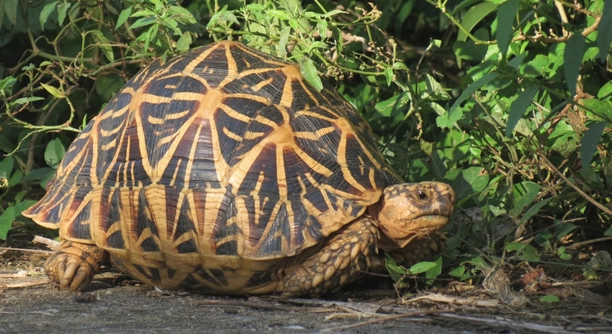
Is your Indian star tortoise’s shell turning pale, leaving you concerned about its health? Shell discoloration can indicate various underlying issues, from dietary deficiencies to environmental factors. Identifying the cause is essential to maintaining your tortoise’s well-being and overall shell condition.
A pale shell in an Indian star tortoise is often caused by improper diet, inadequate UVB exposure, dehydration, fungal infections, aging, or metabolic bone disease. Identifying the underlying cause early can help prevent further complications and ensure your tortoise’s overall health.
Understanding these factors will help you address the issue effectively. By learning the possible reasons behind shell discoloration, you can take the necessary steps to improve your tortoise’s care and environment.
Inadequate UVB Exposure
A lack of proper UVB lighting can lead to shell discoloration in Indian star tortoises. UVB light is essential for calcium metabolism, which supports shell strength and pigmentation. Without it, your tortoise may develop a pale or weakened shell over time. Ensuring adequate UVB exposure is key to maintaining shell health.
A high-quality UVB bulb should be used for 10–12 hours daily. Position the light within the recommended distance to ensure your tortoise receives the necessary benefits. Without sufficient exposure, calcium absorption decreases, leading to potential health issues.
If your tortoise’s enclosure lacks proper UVB lighting, consider upgrading to a high-output UVB bulb. Regularly replace the bulb, as UVB output diminishes over time. Combining UVB with a well-balanced diet will help prevent further shell discoloration. Monitoring your tortoise’s behavior and shell condition can help you determine if lighting adjustments are needed.
Nutritional Deficiencies
A poor diet can cause an Indian star tortoise’s shell to turn pale. These tortoises require a calcium-rich diet with appropriate vitamins and minerals. Without proper nutrition, their shells may lose vibrancy and become brittle over time.
Calcium is essential for maintaining a strong shell, and a lack of it can lead to shell softening and discoloration. Ensure your tortoise’s diet consists of high-calcium leafy greens, such as dandelion greens and turnip greens. Providing a calcium supplement with vitamin D3 can further support shell health.
Additionally, improper protein intake can also affect shell coloration. While some protein is necessary, excessive amounts may lead to metabolic disorders. Stick to a primarily plant-based diet with occasional protein sources. Hydration is equally important, as dehydration can cause shell dullness. Offering fresh water and occasional soaks will help maintain proper hydration levels. A well-balanced diet plays a significant role in keeping your tortoise’s shell in optimal condition.
Dehydration
A lack of proper hydration can cause an Indian star tortoise’s shell to appear pale and dry. Without enough moisture, the shell may lose its natural sheen and develop a dull, flaky texture. Regular hydration is essential for maintaining a healthy shell and overall well-being.
Ensuring access to fresh water at all times helps prevent dehydration. Shallow water dishes should be available for drinking, and occasional lukewarm soaks can aid in hydration. Soaking your tortoise two to three times a week for 15–20 minutes can improve shell condition. If the enclosure is too dry, consider increasing humidity by misting the habitat or adding a humidity-retaining substrate. Maintaining proper hydration levels will help restore shell vibrancy.
Diet also plays a role in hydration. Feeding high-water-content foods like cucumbers and leafy greens can supplement water intake. Avoiding excessive dry foods will prevent further dehydration. Consistently monitoring hydration levels ensures your tortoise stays healthy.
Fungal Infections
Fungal infections can lead to shell discoloration, causing pale or white patches to develop. These infections often result from excessive moisture, poor hygiene, or unclean enclosures. If left untreated, fungal growth can weaken the shell and spread to other parts of the body.
Keeping the enclosure clean is crucial in preventing fungal infections. Regularly remove uneaten food and waste, and disinfect the habitat as needed. A proper balance of humidity and ventilation can help prevent excessive moisture buildup. If a fungal infection is suspected, topical antifungal treatments designed for reptiles can help clear up the issue.
A vet visit may be necessary for severe infections. Professional treatment can ensure the infection does not spread further. Early intervention is key to preventing long-term damage. Checking your tortoise’s shell regularly for any abnormal discoloration can help detect fungal infections before they become a more serious problem.
Aging
As Indian star tortoises age, their shells may naturally become lighter. This gradual change is normal and does not indicate health problems. Older tortoises may develop a faded or slightly dull appearance, which is simply a part of the aging process.
While aging-related shell lightening is harmless, monitoring overall health is still important. Ensure your tortoise maintains an active lifestyle, eats a balanced diet, and has proper UVB exposure. Regular health checks help confirm that the shell’s color change is due to aging rather than an underlying condition.
Metabolic Bone Disease
Metabolic bone disease (MBD) can cause a pale, weakened shell in Indian star tortoises. This condition results from calcium deficiency, improper UVB lighting, or an imbalanced diet. A soft, deformed shell and difficulty moving may also indicate MBD. Immediate dietary adjustments and veterinary care are necessary to prevent further complications.
Environmental Stress
Stress from environmental changes can affect shell color. Frequent handling, loud noises, or sudden temperature shifts may cause a pale appearance. Ensuring a stable, quiet environment helps reduce stress. Providing a consistent routine, a well-maintained enclosure, and minimal disruptions will support your tortoise’s overall health and shell condition.
FAQ
Why is my Indian star tortoise’s shell turning pale?
A pale shell is often caused by inadequate UVB exposure, dehydration, nutritional deficiencies, fungal infections, aging, metabolic bone disease, or environmental stress. Each of these factors affects the tortoise’s overall health and shell condition, so addressing them is crucial.
How can I improve my tortoise’s shell color?
To improve the color of your tortoise’s shell, ensure it gets proper UVB exposure, stays hydrated, and eats a well-balanced diet with plenty of calcium-rich foods. If fungal infections or dehydration are suspected, treat accordingly and provide appropriate care.
Can dehydration cause a pale shell?
Yes, dehydration can lead to a dull or pale shell. When your tortoise doesn’t drink enough water, it can cause the shell to appear dry and lifeless. Soaking your tortoise occasionally and providing fresh water at all times will help maintain hydration and improve shell condition.
What kind of diet is best for my tortoise’s shell?
A diet rich in calcium, fiber, and essential vitamins is best for your tortoise’s shell. Offer leafy greens like dandelion, collard greens, and turnip greens. Occasionally, you can provide fruits and flowers. Avoid high-protein foods, as they can cause health issues over time.
How can I tell if my tortoise has fungal infections?
Fungal infections often present as white or pale patches on the shell. If your tortoise has noticeable discoloration or flaky skin, it may have a fungal infection. Keeping the enclosure clean, maintaining proper humidity, and treating with antifungal medication can help resolve this issue.
What should I do if my tortoise has metabolic bone disease?
If your tortoise shows signs of metabolic bone disease, such as a soft or deformed shell, seek immediate veterinary care. The condition can be treated by adjusting the diet (adding more calcium and vitamin D3) and ensuring proper UVB exposure. A vet may prescribe supplements or medications as well.
Can my tortoise’s shell discoloration be a sign of aging?
Yes, as Indian star tortoises age, their shells may naturally lighten and lose some of their vibrant color. This is a normal process and not necessarily a sign of a health issue. Keep an eye on your tortoise’s overall health to ensure no other problems arise.
How can I prevent my tortoise’s shell from becoming pale again?
To prevent further discoloration, maintain a consistent environment with proper UVB lighting, hydration, and a balanced diet. Regularly check the enclosure for cleanliness and make sure your tortoise’s health remains in good condition. Providing appropriate care will help keep the shell healthy and vibrant.
Can stress cause my tortoise’s shell to turn pale?
Yes, stress can cause changes in your tortoise’s appearance, including pale or discolored shells. Stressful conditions, such as temperature fluctuations, loud noises, or frequent handling, can impact your tortoise’s health. Create a stable, quiet environment to reduce stress and help maintain a healthy shell.
How often should I soak my tortoise to prevent shell problems?
Soaking your tortoise two to three times a week for 15–20 minutes can help prevent dehydration and keep its shell in good condition. Make sure the water is lukewarm, and monitor your tortoise during the soak to ensure it stays comfortable.
Is my tortoise’s shell turning pale a sign of a serious health problem?
While a pale shell can indicate a health issue, it is not always a sign of something serious. Factors like aging, dehydration, and diet play a role in shell color. However, if other symptoms like lethargy, soft shells, or difficulty moving are present, it’s important to consult a veterinarian.
How can I improve my tortoise’s UVB exposure?
To improve UVB exposure, use a high-quality UVB bulb that provides the correct wavelength and strength for your tortoise. Ensure the bulb is positioned at the correct distance from the basking area. Replace the bulb regularly, as UVB output decreases over time, even if the light still functions.
What is the best way to treat fungal infections in my tortoise?
Fungal infections can be treated by keeping your tortoise’s enclosure clean and dry. Apply antifungal treatment as recommended by a vet and ensure that the tortoise’s shell remains dry during recovery. If the infection persists, a veterinarian may need to prescribe medication or offer further advice.
Can my tortoise’s shell turn pale from too much sunlight?
Excessive sunlight can sometimes cause burns or dehydration, leading to changes in shell color. However, proper UVB exposure is essential for a healthy shell. Ensure your tortoise has access to indirect sunlight or a UVB bulb, but avoid prolonged direct exposure that could cause overheating or dehydration.
How long does it take for a tortoise’s shell to recover from discoloration?
The time it takes for a tortoise’s shell to recover depends on the cause of the discoloration. For dehydration or nutritional deficiencies, it may take a few weeks of proper care for improvement. Fungal infections or metabolic bone disease may take longer to heal and may require veterinary assistance.
Can a tortoise’s pale shell return to normal with proper care?
Yes, with proper care, a pale shell can return to normal in many cases. Ensuring proper hydration, UVB exposure, and nutrition will help your tortoise’s shell regain its color and health. Monitoring its progress and making any necessary adjustments to care will ensure a healthy recovery.
Final Thoughts
A pale shell in your Indian star tortoise can be caused by various factors, ranging from natural aging to improper care. While some causes are harmless, others, like metabolic bone disease or dehydration, may require immediate attention. It’s essential to observe your tortoise closely, as any changes in its appearance can signal underlying issues. A healthy diet, proper UVB exposure, and a stable living environment are crucial in maintaining the tortoise’s overall well-being.
If you notice any signs of illness, such as lethargy, difficulty moving, or soft spots on the shell, it’s important to consult a veterinarian. Early detection can help prevent serious health problems from worsening. Regularly check the enclosure’s temperature, humidity, and lighting to ensure that your tortoise’s needs are being met. Stress can also cause changes in shell color, so creating a calm and comfortable space will benefit your pet in the long run.
Maintaining a healthy lifestyle for your tortoise is the best way to prevent shell discoloration and other related issues. Ensure it has access to clean water, a variety of nutrient-rich foods, and a proper basking spot. Regular soaking can also help with hydration. By addressing potential concerns early and offering the right care, you can keep your Indian star tortoise happy and healthy. With patience and attention, its shell will likely return to its vibrant, natural color.

Hello,
If you enjoy the content that we create, please consider saying a "Thank You!" by leaving a tip.
Every little bit helps us continue crafting quality advice that supports the health, happiness, and well-being of pets around the world, for pets of all shapes, sizes, and species.
We really appreciate the kindness and support that you show us!