
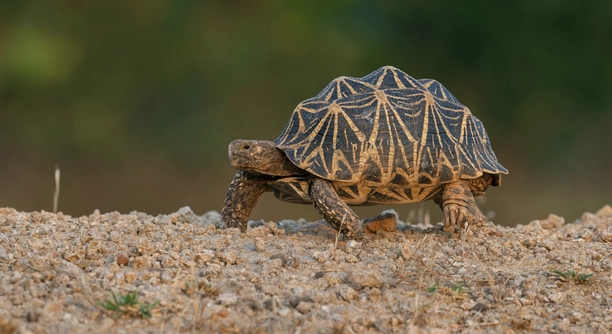
If you’ve noticed your Indian Star Tortoise rubbing its shell on surfaces, you may be wondering why it’s happening. This behavior can be a sign of a few different things, from health concerns to environmental factors.
Rubbing its shell on surfaces is often a sign that the tortoise is trying to shed old scutes or is simply exploring its surroundings. Sometimes, it may also be a response to stress or discomfort, particularly from environmental factors.
Understanding the reasons behind this behavior can help you identify the root cause and ensure your tortoise is happy and healthy. Let’s look into the possible causes and solutions in more detail.
Reasons Your Indian Star Tortoise May Rub Its Shell
Rubbing its shell on surfaces is a natural behavior for Indian Star Tortoises, but it can be a sign of different things. One common reason is shedding. Tortoises shed the outer layer of their shells, known as scutes, to allow new growth underneath. This process can cause them to rub against rough surfaces like rocks or logs to help the scutes come off more easily. If you notice rubbing, it could be the tortoise’s way of managing this natural cycle.
Sometimes, rubbing could be due to discomfort in their environment. If their habitat is too dry or too humid, they may engage in this behavior to alleviate stress. Shell rubbing may also occur when they are trying to stretch or explore areas they feel are not accessible. Providing the right balance of environmental conditions can prevent this.
In rare cases, rubbing can be linked to a medical issue, such as a shell infection or fungal growth. It’s important to monitor your tortoise for other signs of illness, such as swelling or abnormal growths. Regular vet checkups can help ensure everything is okay with your pet’s health.
Stress and Environmental Factors
A tortoise rubbing its shell can indicate stress due to environmental factors.
When the living conditions aren’t ideal, a tortoise might rub its shell to cope with discomfort. The habitat’s temperature, humidity, and overall cleanliness can play a big part in how your pet behaves. For instance, an excessively hot or cold enclosure might prompt your tortoise to act out of stress. Insufficient hiding places or not enough space to roam can also cause the tortoise to engage in shell rubbing as it searches for a way to adjust.
Proper care is essential in preventing this behavior. A comfortable and spacious environment, complete with hiding spots and optimal temperature, can reduce stress. Regular cleaning of the tank also plays a role in preventing mold or bacteria that might irritate the tortoise’s shell. Make sure to keep the enclosure at the correct humidity level, as too much or too little moisture can have a negative impact. Ensuring your tortoise feels safe and comfortable will likely stop the rubbing behavior.
Shell Shedding and Growth Process
Shell shedding is a regular part of an Indian Star Tortoise’s life. As they grow, the outer layers of their shell, known as scutes, naturally loosen and shed. This process allows the new scutes to form beneath. Shell rubbing against surfaces can help the tortoise shed old scutes more easily.
During shedding, the tortoise may rub its shell against rocks, logs, or even the walls of its enclosure. This behavior is normal and part of the tortoise’s attempt to get rid of the old scutes. However, if the shedding is not happening properly, it could be a sign that the tortoise needs help, such as increased humidity or the right surfaces to rub against.
To support this natural process, provide your tortoise with surfaces that encourage safe shedding, like rough rocks or a gentle exfoliating pad. Additionally, monitor the humidity levels in its enclosure. Low humidity can cause problems with shedding, leading to stuck scutes, which might cause discomfort and increased rubbing.
Shell Irritation or Infection
Rubbing may also occur if there’s an underlying infection or irritation on the tortoise’s shell.
If your tortoise is rubbing its shell excessively and the scutes appear discolored or swollen, there could be a fungal or bacterial infection. Infections in tortoises often cause irritation, leading them to rub their shell in an attempt to relieve the discomfort. Shell infections can stem from a variety of issues, such as poor hygiene or an injury that wasn’t properly treated.
If you suspect an infection, it’s important to consult with a vet immediately. Left untreated, shell infections can worsen and lead to severe damage. Regularly inspecting your tortoise’s shell for signs of abnormalities, like soft spots or unusual growths, is essential for maintaining its health. A veterinarian can provide the right treatment, and early intervention will help prevent further complications. Keeping your tortoise’s living area clean and well-maintained will also help reduce the risk of infection.
Stress and Anxiety
Stress can cause tortoises to rub their shells against surfaces.
When your tortoise is feeling stressed, it may exhibit behaviors like rubbing its shell. This stress can come from sudden changes in their environment or handling. Too much noise, unfamiliar scents, or a lack of space can make your tortoise anxious, leading to rubbing as a way of coping.
Providing a calm and quiet environment for your tortoise is essential. Avoid sudden changes to its enclosure and make sure it has enough space to move around. Having hiding places or tunnels can help reduce stress, making the tortoise feel safer and more comfortable.
Poor Diet
An improper diet can also lead to unwanted behaviors in tortoises.
Tortoises require a well-balanced diet rich in fiber, calcium, and other essential nutrients. If they aren’t receiving the right nutrition, they may engage in strange behaviors, such as rubbing their shells, out of discomfort or to relieve internal stress. Deficiencies, like a lack of calcium, can also cause shell problems, leading to rubbing.
To ensure your tortoise stays healthy, provide a varied diet that includes leafy greens, grasses, and safe vegetables. Offering a calcium supplement, if recommended by a vet, can help support their shell and overall health. A proper diet will not only keep your tortoise’s shell in good condition but can reduce stress and improve behavior.
FAQ
Why is my Indian Star Tortoise rubbing its shell?
Rubbing is typically a sign that your tortoise is shedding old scutes, part of the natural growth process. It can also be a response to discomfort from environmental stress, poor diet, or potential health issues like shell infections. If the rubbing continues or if you notice other signs like swelling or discoloration, it’s important to monitor the situation carefully or consult a vet.
Can I help my tortoise shed its scutes?
Yes, you can assist by creating the right environment. Providing rough surfaces, such as rocks or logs, encourages the tortoise to rub its shell naturally. Maintaining proper humidity and temperature levels is key. If shedding isn’t happening properly, or scutes are stuck, consider gently soaking your tortoise in warm water or using a soft brush to help remove the old scutes. Avoid forceful peeling, as this could damage the shell.
Is shell rubbing a sign of a medical problem?
Shell rubbing can sometimes indicate a medical issue, particularly if accompanied by other symptoms like swelling, soft spots, or abnormal growths. Infections, fungal growths, or injuries can lead to irritation and rubbing. If you notice any unusual signs, it’s best to consult a veterinarian for a proper diagnosis and treatment plan.
How do I reduce stress for my tortoise?
To reduce stress, ensure that your tortoise has a calm and stable environment. Avoid loud noises or sudden changes to its habitat. Make sure the enclosure is large enough and provides plenty of hiding spots for security. A consistent temperature and humidity level can also help. Handling your tortoise gently and infrequently will also prevent unnecessary stress.
Can diet affect my tortoise’s shell health?
Yes, diet plays a major role in the health of your tortoise’s shell. A poor diet, particularly one lacking in calcium or essential nutrients, can cause problems like weak or soft shells. Provide a balanced diet consisting of leafy greens, grasses, and safe vegetables. Calcium supplements can help strengthen the shell and prevent deficiencies.
Should I be concerned if my tortoise is rubbing its shell frequently?
If your tortoise is rubbing its shell occasionally, it’s likely a normal part of the shedding process. However, if the behavior becomes frequent or persistent, it could indicate discomfort or stress. Pay attention to any other signs of distress, such as changes in eating habits, lethargy, or abnormal shell appearance. In such cases, a vet consultation is recommended.
Can a dirty habitat lead to shell rubbing?
Yes, a dirty habitat can lead to stress and infections, both of which may cause rubbing. Mold, bacteria, or accumulated waste can irritate the shell, making the tortoise rub to relieve discomfort. Regularly cleaning your tortoise’s enclosure is essential to prevent infections and maintain a healthy living environment.
What type of substrate should I use for my tortoise?
For Indian Star Tortoises, a substrate that mimics their natural environment is best. You can use materials like coconut coir, aspen, or a mix of soil and sand. These substrates are comfortable and allow for easy cleaning while also providing a rough texture that helps with shedding. Avoid using cedar or pine shavings, as they can be toxic to tortoises.
Can I use a heat lamp for my tortoise?
Yes, heat lamps are necessary to maintain the proper temperature range for your tortoise. Tortoises are cold-blooded and rely on external heat sources to regulate their body temperature. Make sure to place the lamp at one end of the enclosure, creating a temperature gradient that allows your tortoise to move between warmer and cooler areas.
How can I tell if my tortoise is healthy?
A healthy tortoise will have a smooth, firm shell without any soft or pitted areas. Its eyes should be clear and bright, and it should have a good appetite. Regularly check for signs of shedding, but if the tortoise seems lethargic or is rubbing excessively, it could be a sign of illness or discomfort, and a vet visit is advised.
Is it okay to handle my tortoise?
Tortoises are not overly social animals and may experience stress if handled too frequently. While gentle handling is fine, it’s important to respect their space. Handling should be limited, especially if your tortoise shows signs of stress or discomfort. Always handle your tortoise with clean hands to prevent spreading germs.
How often should I feed my Indian Star Tortoise?
Indian Star Tortoises should be fed every other day or three to four times per week, depending on their age. Young tortoises require more frequent feeding, while adults can eat less often. Offer a variety of leafy greens, grasses, and vegetables to ensure a well-balanced diet. Keep portions moderate to prevent overfeeding.
Should I worry if my tortoise’s shell appears uneven?
An uneven shell can be a sign of malnutrition, injury, or infection. If the shell is growing unevenly or has noticeable deformities, it’s important to evaluate the diet and environment. If there’s concern about an infection or injury, contact a vet for further evaluation. Healthy shells should grow uniformly and appear smooth.
Final Thoughts
Understanding why your Indian Star Tortoise is rubbing its shell is essential to ensuring its well-being. This behavior is most often linked to natural processes like shedding, where the tortoise tries to remove old scutes. Shedding is normal, and providing the right surfaces, such as rocks or logs, can help support this process. However, it’s important to keep an eye out for any other signs of discomfort or illness, such as swelling or unusual growths. If the rubbing becomes excessive or if you notice changes in behavior or appearance, it may be time to consult a veterinarian.
Stress and environmental factors can also play a role in shell rubbing. Tortoises are sensitive to changes in their surroundings, and things like temperature, humidity, and space can affect their behavior. If your tortoise is feeling stressed, it may rub its shell to cope with discomfort. Ensuring that the enclosure is clean, spacious, and properly heated can help reduce stress. In addition, making sure your tortoise has enough hiding places and doesn’t feel overwhelmed by noise or activity is crucial to keeping it calm and healthy.
Finally, diet is another important factor that influences your tortoise’s shell and overall behavior. A balanced diet full of leafy greens, grasses, and calcium-rich foods is essential for maintaining a healthy shell and supporting proper growth. If your tortoise’s diet is lacking, it may lead to problems like soft or weak shells, which could contribute to rubbing behavior. Providing the right nutrition and supplements when needed can make a big difference in your tortoise’s health and help prevent unwanted behaviors. By paying attention to these factors, you can create a better environment for your tortoise to thrive.

Hello,
If you enjoy the content that we create, please consider saying a "Thank You!" by leaving a tip.
Every little bit helps us continue crafting quality advice that supports the health, happiness, and well-being of pets around the world, for pets of all shapes, sizes, and species.
We really appreciate the kindness and support that you show us!