
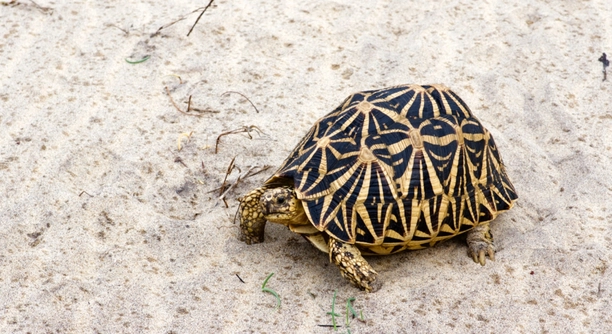
If your Indian star tortoise isn’t moving as expected, there could be several reasons behind this behavior. Understanding what might be causing it can help in resolving the issue.
The most common causes for an Indian star tortoise not moving include improper temperature, inadequate humidity, stress, illness, or lack of space. A sudden change in environment or diet can also affect their activity levels.
Recognizing these potential causes will help ensure your tortoise remains healthy and active in its environment.
Temperature Issues
Your tortoise’s environment plays a huge role in its activity. If the temperature is too low, it will cause your tortoise to become lethargic. Indian star tortoises are native to warmer climates, so keeping them in an environment that is too cold can lead to reduced movement and even health problems. The ideal temperature for your tortoise’s enclosure should be between 80°F and 85°F during the day, with a slight drop at night.
A significant temperature drop can cause your tortoise to go into brumation, a state similar to hibernation. This can cause it to stop moving for extended periods, which may be mistaken for illness or stress. Ensure that you are providing a proper heat source, such as a heat lamp or basking area, to maintain a consistent, comfortable temperature for your tortoise.
Inadequate heat will not only make your tortoise slow but can also affect its digestion and overall well-being. Keeping the habitat within the right range ensures that your tortoise stays active and healthy, as it needs warmth to stay alert and properly digest its food.
Humidity
Humidity is another important factor in your tortoise’s health and activity. If the air is too dry, it can cause dehydration, leading to lethargy and poor movement. The ideal humidity level for an Indian star tortoise is between 50% and 70%.
Lack of humidity affects not only their skin but also their respiratory system. Without proper moisture in the air, their body becomes stressed, which can cause them to slow down and retreat into their shell. To increase humidity, you can mist the enclosure or use a humidifier to ensure a comfortable atmosphere. Proper hydration will help your tortoise stay active and content.
Stress
Stress is a common factor that can make your tortoise less active. A change in its environment, loud noises, or being handled too often can cause stress. Indian star tortoises are known to be sensitive to their surroundings, and if they feel threatened, they may withdraw into their shell or stop moving entirely.
To reduce stress, maintain a stable and quiet environment for your tortoise. Avoid frequent handling and ensure it has enough space to roam. If you’ve recently moved or made significant changes to its habitat, give your tortoise time to adjust. Stress can also come from sharing its enclosure with other animals, so consider keeping it alone.
Excessive stress can weaken the immune system, making your tortoise more vulnerable to illness. Over time, stress can cause both physical and behavioral changes, including reduced activity levels. By creating a calm, safe environment, you can help your tortoise feel secure, promoting better health and movement.
Illness
An Indian star tortoise that is not moving may also be suffering from an illness. A common issue is a respiratory infection, which can cause lethargy and difficulty in breathing. If your tortoise’s eyes are swollen or discharge is present, it could indicate an infection that needs medical attention.
Other health problems, such as shell rot, parasites, or internal infections, can also make your tortoise less active. These conditions often show other signs, like changes in appetite or appearance. If you notice any unusual symptoms, it’s essential to consult a veterinarian experienced with reptiles. Timely intervention can prevent more severe issues and promote quicker recovery.
A sick tortoise may need a quiet, warm space to recover. Until a diagnosis is made, keep it in a stress-free, controlled environment to aid its healing. Illnesses can cause long-term damage if not treated, so don’t ignore the signs.
Lack of Space
If your tortoise doesn’t have enough space, it may become inactive. These tortoises need room to roam and explore, so a cramped enclosure can discourage movement. Ensure your tortoise has enough area to stretch out and wander around.
Inadequate space not only limits your tortoise’s movement but can also lead to stress. The more room your tortoise has to roam, the more likely it will remain active and healthy. Aim to provide an enclosure that is at least 4 feet long for one tortoise. Giving them space helps reduce stress and supports natural behaviors, promoting overall health.
Diet Issues
Diet plays a crucial role in your tortoise’s energy levels. If your tortoise isn’t getting the proper nutrients, it can become sluggish. A diet rich in fiber and calcium is essential for their health and activity. Avoid overfeeding high-protein foods, which can lead to health problems.
Improper nutrition can cause metabolic bone disease, which affects your tortoise’s movement. Lack of calcium in their diet can make their bones weaker and cause lethargy. Ensure your tortoise has access to fresh greens, and if necessary, provide calcium supplements to maintain strong bones and energy.
Why is my Indian star tortoise not moving?
There are several reasons why your tortoise might be inactive. The most common causes are improper temperature or humidity, stress, illness, or insufficient space. Temperature should be maintained between 80°F and 85°F, with proper humidity levels between 50-70%. If your tortoise’s enclosure is too cold or dry, it will become lethargic. Stress from sudden changes or handling can also cause inactivity. If your tortoise’s health seems off, check for signs of illness like swollen eyes, nasal discharge, or loss of appetite. If no immediate environmental factors seem responsible, a vet visit might be needed.
How can I tell if my tortoise is sick?
Sick tortoises often exhibit a variety of signs that are different from typical behavior. Look for a lack of movement, refusal to eat, closed eyes, or difficulty breathing. If your tortoise’s shell appears soft, discolored, or has visible lesions, it could indicate a problem. Respiratory infections, shell rot, or parasites are common illnesses in tortoises. If you notice any of these symptoms, it’s essential to consult a reptile veterinarian as soon as possible to prevent worsening conditions. Keeping track of feeding and waste habits can also help indicate whether your tortoise is not feeling well.
Can I handle my tortoise when it’s not moving?
It’s best to avoid handling your tortoise too much when it’s not moving, especially if you suspect stress or illness. Handling can increase stress, causing your tortoise to withdraw further. If your tortoise is just slow due to temperature or humidity issues, it may be more comfortable if left undisturbed. If your tortoise is showing signs of illness, refrain from handling until it recovers or you have a diagnosis from the vet. When handling is necessary, ensure that it’s done gently and briefly to minimize stress.
What should I do if my tortoise is not eating?
If your tortoise isn’t eating, the first thing to check is the environment. Ensure the temperature, humidity, and lighting are within the appropriate ranges. If environmental factors seem fine, check for signs of illness. Stress, illness, or poor diet could cause your tortoise to lose interest in food. In some cases, tortoises may stop eating when brumation (a form of dormancy) begins, but this is typically only in cooler weather. If the loss of appetite persists for more than a few days, a visit to the vet is recommended to rule out any serious health issues.
Is it normal for my tortoise to stop moving at certain times of the day?
Yes, it’s normal for tortoises to be less active during certain times of the day. Tortoises are most active in the warmer parts of the day, particularly when basking in the heat. During cooler periods, such as early mornings or evenings, they may rest in their shells. If you notice that your tortoise is active during warm parts of the day but resting at night or in cooler temperatures, this is entirely natural. However, if your tortoise is consistently lethargic throughout the day or fails to move at all, it might be a sign of an underlying problem.
How do I keep my tortoise healthy and active?
To maintain your tortoise’s health and activity, it’s important to provide a suitable environment. Ensure the enclosure is the right size, with enough space for your tortoise to roam. Temperature and humidity levels should be carefully monitored and maintained. A proper diet, including plenty of fresh leafy greens and occasional fruits, is essential for energy. Calcium supplements can be helpful for bone strength. It’s also crucial to keep the habitat clean to avoid infections or parasites. Regular checkups with a vet will help catch any issues early and keep your tortoise in optimal condition.
Can a tortoise’s shell condition affect its movement?
Yes, a tortoise’s shell condition directly affects its movement. If the shell is damaged, diseased, or too soft, it can limit mobility. Shell rot or infections, which are often caused by poor hygiene or a damp environment, can make a tortoise uncomfortable or unable to move freely. Similarly, a poorly developed shell due to inadequate nutrition, particularly a lack of calcium, can lead to weakness and slow movement. Regular checks for any changes in the shell’s texture or appearance, along with proper diet and habitat care, will help prevent these issues.
Should I be concerned if my tortoise hides a lot?
It’s natural for tortoises to hide, especially when they’re feeling stressed, cold, or unwell. If your tortoise hides more than usual, it may be a sign of discomfort. It could be reacting to an environmental change or experiencing health problems. However, tortoises also hide to sleep or cool off during the day. If your tortoise is eating and moving normally when it comes out, there’s likely no cause for concern. But if hiding is accompanied by lethargy, lack of eating, or signs of illness, it’s best to seek advice from a vet.
How often should I clean my tortoise’s enclosure?
Cleaning your tortoise’s enclosure is essential for preventing illness and maintaining a healthy living environment. Spot-cleaning should be done daily by removing uneaten food and waste. A full cleaning, including changing substrate and disinfecting surfaces, should be done once a week. Make sure to use reptile-safe cleaning products and ensure that everything is dry before placing your tortoise back inside. A clean habitat reduces the risk of bacterial or fungal infections, which can cause lethargy and health problems. Regular maintenance helps keep your tortoise comfortable and active.
What is brumation, and should I worry about it?
Brumation is a natural period of dormancy similar to hibernation, often occurring in cooler months. During this time, your tortoise may eat less, move slower, and sleep more. Brumation is common in tortoises and usually lasts several weeks to months, depending on the temperature. It’s not a cause for concern unless your tortoise shows signs of dehydration, weight loss, or illness during this period. If you suspect your tortoise is brumating, ensure it has access to water and monitor its condition. If its behavior seems abnormal or too prolonged, consult a vet to rule out any issues.
When it comes to caring for an Indian Star Tortoise, understanding why it’s not moving is key to ensuring its well-being. There are multiple potential reasons for inactivity, ranging from environmental issues like improper temperature or humidity to health problems that may require professional attention. Regular observation is essential, as tortoises are generally low-maintenance but can still experience stress or illness if their needs are not met.
The most common causes of lethargy in tortoises are environmental factors, such as inadequate temperature or humidity levels in the enclosure. Tortoises are cold-blooded animals, meaning their activity levels are highly influenced by the conditions in their environment. Maintaining a consistent and proper environment for your tortoise is the foundation of its health. Without the right setup, even the healthiest tortoise may become lethargic or unresponsive. Make sure your tortoise has access to a basking area, a cool area, and proper lighting to simulate its natural habitat.
Health issues such as respiratory infections, shell rot, or dehydration can also lead to a lack of movement. If your tortoise’s behavior changes suddenly, it’s important to consider a vet visit, especially if there are signs of distress like loss of appetite, swollen eyes, or nasal discharge. Ensuring your tortoise receives a balanced diet, proper hydration, and routine health checks will help prevent many health-related problems. Ultimately, a combination of environmental control and monitoring your tortoise’s physical condition will go a long way in keeping it active and healthy.

Hello,
If you enjoy the content that we create, please consider saying a "Thank You!" by leaving a tip.
Every little bit helps us continue crafting quality advice that supports the health, happiness, and well-being of pets around the world, for pets of all shapes, sizes, and species.
We really appreciate the kindness and support that you show us!