
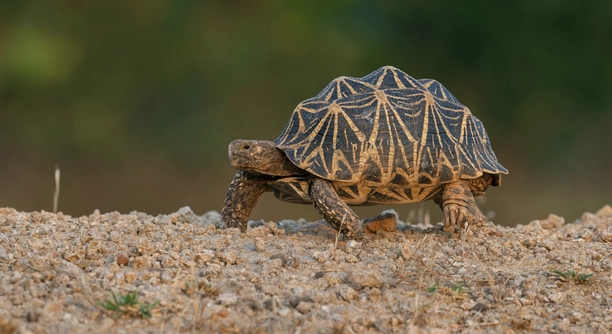
Is your Indian star tortoise refusing to eat vegetables, leaving you concerned about its diet? Ensuring a balanced and nutritious intake is essential for its health, but sometimes, getting them to eat greens can be a challenge.
The most common reason your Indian star tortoise is not eating vegetables is improper diet variety, low humidity, or stress. These tortoises prefer a high-fiber diet with specific greens, and environmental factors play a significant role in their appetite and overall health.
Understanding the causes behind their eating habits will help you make the necessary adjustments. A few simple changes can encourage your tortoise to eat vegetables and maintain a healthy, balanced diet.
Common Reasons Your Indian Star Tortoise Is Not Eating Vegetables
Indian star tortoises can be selective eaters, and several factors may influence their refusal to eat vegetables. Stress from a new environment, improper humidity levels, or a diet lacking variety can affect their appetite. Additionally, low temperatures or an incorrect lighting setup can make them less active, leading to decreased food intake. A tortoise that is used to eating fruits or high-protein foods may also reject leafy greens. Health issues, such as respiratory infections or parasites, can further contribute to their lack of interest in food. Identifying the specific reason will help in making the necessary changes.
If your tortoise is avoiding vegetables, check its enclosure setup and diet. Ensure that the humidity and temperature levels are appropriate, and provide a balanced mix of greens. Reducing stress and making gradual changes to its diet can also help encourage better eating habits.
A tortoise’s diet should primarily consist of fiber-rich greens, such as dandelion greens, hibiscus leaves, and turnip greens. Avoid offering too many fruits, as these can lead to digestive issues. Soaking vegetables in water before feeding can enhance their texture, making them more appealing. Maintaining consistency in feeding routines and ensuring a stress-free environment can support healthier eating habits.
How to Encourage Your Tortoise to Eat Vegetables
A gradual approach is key when introducing new vegetables. Start by mixing small amounts of greens with its favorite foods. Over time, reduce the less healthy options while increasing the proportion of vegetables. This method helps prevent sudden dietary changes that may lead to food refusal.
In addition to offering a variety of greens, make sure your tortoise’s habitat is suitable for optimal health. Indian star tortoises thrive in warm temperatures between 85-95°F with a basking area around 100°F. Humidity should remain between 60-80%, as dehydration can cause appetite loss. Proper UVB lighting is essential for digestion and nutrient absorption, so ensure they receive exposure to a high-quality UVB source for 10-12 hours a day.
Chopping vegetables into smaller pieces can make them easier to eat. Lightly misting them with water can enhance their texture and keep your tortoise hydrated. Offering greens in the morning, when tortoises are most active, can also improve their willingness to eat. If your tortoise still refuses vegetables, try different textures and types of greens. Providing a balanced, consistent diet along with a well-maintained environment will encourage healthier eating habits.
Adjusting Feeding Techniques
Mixing vegetables with familiar foods can make them more appealing. Gradually decrease the preferred food while increasing the amount of greens. Chopping vegetables into small pieces or lightly steaming them can also improve texture and taste, making them easier for your tortoise to eat.
Offering a variety of leafy greens, such as dandelion leaves, collard greens, and hibiscus leaves, can prevent boredom. Rotate different vegetables to keep meals interesting. Placing greens on a flat surface rather than in a bowl mimics natural foraging behavior. Some tortoises respond well to hand-feeding, as it helps build trust and encourages them to try new foods.
Ensuring vegetables are fresh and not wilted can make a difference. Lightly misting them with water can enhance texture and hydration. Providing food during peak activity hours, such as early morning or late afternoon, increases the chances of your tortoise eating regularly.
Creating an Ideal Environment
Temperature and humidity play a crucial role in appetite. A basking area of 100°F and an ambient temperature between 85-95°F encourage activity and digestion. Low temperatures can cause sluggish behavior and reduced interest in food. Keeping humidity between 60-80% prevents dehydration, which can affect eating habits.
Proper lighting is essential. A high-quality UVB bulb should be used for 10-12 hours daily to aid calcium absorption and digestion. Without UVB exposure, tortoises may become lethargic and refuse food. Regular enclosure cleaning prevents bacteria buildup, ensuring a stress-free habitat. Fresh water should always be available to promote hydration.
Reducing stress improves appetite. Avoid frequent handling if your tortoise is new to its environment. A quiet, secure enclosure with hiding spots allows it to feel safe. Introducing changes gradually, such as new foods or habitat modifications, helps prevent overwhelming your tortoise and encourages consistent eating habits.
Checking for Health Issues
Loss of appetite can be a sign of illness. Respiratory infections, parasites, and metabolic bone disease can cause lethargy and refusal to eat. Look for symptoms such as wheezing, swollen eyes, soft shell, or abnormal droppings. If any signs of illness appear, consult a reptile veterinarian immediately.
Dehydration can also reduce appetite. Soaking your tortoise in shallow, lukewarm water for 15-20 minutes a few times a week helps maintain hydration. Ensure fresh water is always available. If your tortoise continues to refuse food despite proper husbandry, a vet visit may be necessary to rule out underlying health concerns.
Avoiding Overfeeding Non-Vegetable Foods
Offering too many fruits or high-protein foods can make vegetables less appealing. Indian star tortoises naturally prefer fibrous greens, and excessive fruit intake can disrupt digestion. Limit fruits to occasional treats and focus on providing a variety of leafy greens to ensure a balanced diet.
Monitoring Eating Habits
Tracking food intake helps identify changes in appetite early. Note which vegetables your tortoise prefers and how often it eats. Sudden refusals to eat can indicate stress, illness, or environmental issues. Adjustments to diet and habitat should be made gradually to avoid overwhelming your tortoise.
FAQ
Why is my Indian star tortoise suddenly refusing vegetables?
A sudden change in eating habits can be caused by stress, illness, or environmental factors. Changes in temperature, humidity, or lighting can affect appetite. Ensure the enclosure is properly set up with a basking temperature of 100°F and consistent UVB lighting. Health issues like parasites or respiratory infections can also lead to appetite loss. If refusal continues despite proper care, a veterinary checkup may be necessary.
Can an Indian star tortoise survive without eating vegetables?
Vegetables provide essential nutrients, fiber, and hydration. While tortoises can survive for short periods without eating, a prolonged lack of vegetables can lead to malnutrition and digestive problems. High-fiber greens should always be the primary part of their diet. If your tortoise consistently refuses vegetables, try offering different types, chopping them finely, or mixing them with preferred foods.
How long can an Indian star tortoise go without eating?
A healthy adult tortoise can survive without food for a few weeks if properly hydrated, but this is not ideal. Hatchlings and young tortoises have higher nutritional needs and should not go without food for more than a few days. If your tortoise is not eating for an extended period, environmental factors or health issues should be addressed immediately.
What vegetables are best for an Indian star tortoise?
Leafy greens such as dandelion greens, collard greens, mustard greens, and hibiscus leaves are excellent choices. Avoid spinach and kale in large amounts, as they can interfere with calcium absorption. Other safe vegetables include grated carrots, squash, and bell peppers in moderation. Variety ensures a well-balanced diet and prevents nutritional deficiencies.
Can I feed my Indian star tortoise fruits instead of vegetables?
Fruits should be an occasional treat rather than a staple food. Indian star tortoises have a diet naturally high in fibrous plants, and too much fruit can disrupt digestion. Small amounts of papaya, watermelon, or berries can be given occasionally, but vegetables should make up the majority of the diet.
Should I hand-feed my tortoise if it refuses vegetables?
Hand-feeding can encourage a hesitant tortoise to eat, especially if it is adjusting to a new environment. However, it should not become a habit, as tortoises need to develop independent feeding behaviors. If your tortoise consistently refuses to eat on its own, evaluate its habitat and diet to ensure all needs are being met.
Does lighting affect my tortoise’s appetite?
Proper UVB lighting is essential for digestion and overall health. Without it, a tortoise may become lethargic and refuse food. Ensure the UVB bulb is functional and positioned correctly. Replace bulbs every six months, even if they still emit light, as UV output diminishes over time.
Why does my tortoise eat some vegetables but refuse others?
Tortoises can be selective eaters, especially if they have been fed the same foods repeatedly. Offering a variety of greens and rotating them can encourage more balanced eating. Mixing less-preferred vegetables with favorite ones can also help. Avoid overfeeding fruits or protein-rich foods, as they can make vegetables less appealing.
What should I do if my tortoise still refuses vegetables after trying everything?
If your tortoise consistently refuses vegetables despite environmental adjustments and variety in diet, consult a reptile veterinarian. A health issue may be the underlying cause. Bloodwork and fecal tests can help rule out infections, parasites, or metabolic disorders that might be affecting appetite.
Final Thoughts
Ensuring your Indian star tortoise eats vegetables requires patience and proper care. A balanced diet with a variety of leafy greens supports its overall health. Factors like enclosure conditions, lighting, and hydration play a major role in maintaining appetite. If your tortoise refuses vegetables, small adjustments can often help. Checking for signs of illness and monitoring behavior will help you identify potential issues early. Regularly offering fresh, high-fiber greens and avoiding excessive fruit or protein can encourage better eating habits. Keeping a consistent feeding schedule also helps your tortoise feel secure in its environment.
Environmental conditions must remain stable for your tortoise to thrive. Temperature, humidity, and UVB lighting all contribute to proper digestion and overall health. A basking area around 100°F, along with a cooler retreat, allows your tortoise to regulate its body temperature effectively. Hydration is equally important, so providing shallow water dishes and occasional soaks will keep your tortoise from becoming dehydrated. If dietary refusal continues despite maintaining optimal conditions, a veterinary visit is recommended to rule out illness. Checking for symptoms like lethargy, weight loss, or unusual behavior can help determine whether a health issue is present.
A tortoise’s eating habits can change due to stress, environmental shifts, or diet preferences. Introducing new vegetables gradually and mixing them with preferred foods can encourage eating. If your tortoise refuses certain greens, try offering them in different forms, such as chopped or shredded. Avoid feeding the same vegetables every day to prevent pickiness. Keeping track of what works best for your tortoise can help create a sustainable feeding routine. Over time, a well-balanced diet and a proper habitat will support your tortoise’s long-term health and well-being.

Hello,
If you enjoy the content that we create, please consider saying a "Thank You!" by leaving a tip.
Every little bit helps us continue crafting quality advice that supports the health, happiness, and well-being of pets around the world, for pets of all shapes, sizes, and species.
We really appreciate the kindness and support that you show us!