
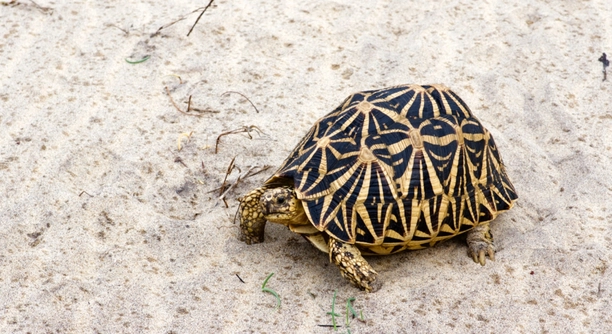
If you own an Indian star tortoise, you may have noticed it losing scales on its feet. This condition can be concerning, but understanding the causes behind it can help you take the necessary steps to address it.
The most common cause of scale loss on your Indian star tortoise’s feet is poor humidity levels or improper substrate. These factors can lead to skin shedding, leaving your tortoise vulnerable to further damage or infection. Adjusting the environment can resolve the issue.
Understanding how to create the proper habitat for your tortoise is crucial. With the right care and conditions, you can help your tortoise thrive while preventing further issues with its feet.
Causes of Scale Loss on Indian Star Tortoise Feet
Scale loss on your Indian star tortoise’s feet can result from a few environmental factors. One of the main reasons is improper humidity levels. Tortoises require a controlled level of humidity to maintain healthy skin and prevent scales from shedding prematurely. If the humidity is too low, the tortoise’s feet can dry out, leading to scale loss.
Another key factor to consider is the substrate used in your tortoise’s habitat. If the bedding is too dry or abrasive, it may contribute to the damage of the skin on its feet. Keeping the environment consistent and adjusting the bedding can make a significant difference in your tortoise’s skin health.
Proper care involves creating a humid, well-maintained habitat with the right bedding material. It’s important to monitor the humidity and adjust it when needed. Regular checks on the substrate and maintaining a clean environment can prevent further issues with your tortoise’s feet.
How to Correct These Problems
Addressing scale loss on your tortoise’s feet involves taking a few steps to improve its living conditions. Begin by monitoring the humidity levels in the tank. A humidity range of 50-70% is ideal for Indian star tortoises.
A key solution is increasing the humidity. Mist the enclosure regularly, or add a humidifier to maintain the appropriate moisture levels. If you notice any dry spots, consider using a more moisture-retentive substrate like coconut coir or sphagnum moss. These options will help maintain humidity and prevent further skin damage.
You should also adjust the enclosure temperature to support optimal humidity. Keep a heat source that mimics the natural warmth of the tortoise’s environment. Adjust the heat so the tortoise has a basking area and a cooler spot for temperature regulation.
By making these adjustments, you will see improvement in the overall health of your tortoise’s feet and skin.
Importance of Proper Diet
A balanced diet plays a significant role in your tortoise’s health, including its skin condition. If your Indian star tortoise isn’t getting the right nutrients, it may lead to weakened scales and other health issues. Ensure that it has access to high-quality leafy greens, some fruits, and a source of calcium.
Incorporating calcium supplements into their diet can strengthen the shell and skin. Offer a variety of leafy greens like dandelion, kale, and collard greens to provide the essential vitamins and minerals. Fruits like strawberries or papaya can occasionally be given, but avoid overfeeding them, as too much sugar can be harmful.
It’s essential to avoid feeding your tortoise foods high in oxalates, such as spinach, as they can hinder calcium absorption. A well-balanced diet ensures your tortoise’s skin and shell are in top condition, supporting overall well-being. This, along with the right habitat, will help prevent future scale loss.
Checking for Underlying Health Issues
While environmental factors are often the cause of scale loss, sometimes health problems are at the root. It’s important to be aware of any other symptoms your tortoise might show, like lethargy or changes in behavior. These could indicate an underlying infection or illness.
Infections, fungal growth, or mites can contribute to scale loss. If you notice your tortoise’s skin turning pale, getting flaky, or developing sores, it’s best to consult with a vet. These conditions can worsen if not addressed and lead to other complications for your tortoise.
A vet can run tests to rule out infections or parasites. If your tortoise is not responding to changes in its environment or diet, a professional opinion is essential to prevent further health issues. Regular check-ups are crucial to catching problems early.
The Role of UVB Lighting
UVB lighting is crucial for your tortoise’s health, as it helps in the production of Vitamin D3. This vitamin is essential for calcium absorption, which affects the condition of your tortoise’s feet and overall shell. Without proper UVB exposure, your tortoise could develop brittle or weakened skin.
A lack of UVB lighting can also lead to metabolic bone disease, which can cause deformities in the bones and scales. Make sure your tortoise has access to UVB lighting for at least 12 hours a day. Position the light properly to ensure your tortoise can bask under it for maximum benefit.
Regularly replace the UVB bulb as its effectiveness decreases over time. Even if the light still works, it may no longer produce the necessary UVB rays for your tortoise. Proper UVB lighting will support both the physical and health needs of your tortoise.
Providing a Clean Habitat
A clean habitat is essential for maintaining your tortoise’s health and well-being. Regular cleaning of the enclosure helps prevent bacterial and fungal growth, which can lead to skin issues and scale loss. Removing waste and replacing old bedding regularly is key.
Additionally, disinfecting the habitat with a safe, non-toxic cleaner will help eliminate germs and parasites that may affect your tortoise. A clean space provides a healthier environment, reducing the risk of infections or injuries that could contribute to the loss of scales. Keeping the habitat in good condition is crucial for your tortoise’s long-term health.
Managing Stress Levels
Stress can have a significant impact on your tortoise’s overall health, including its skin. When tortoises are stressed, they may shed their scales or develop other physical symptoms. Stress often comes from factors like improper temperature, overcrowding, or handling too frequently.
Creating a stable, quiet environment will reduce stress levels. Make sure your tortoise has enough space to roam, and avoid overcrowding. Providing a hiding spot where it can retreat when feeling threatened can also help keep stress in check. The more comfortable your tortoise feels, the less likely it is to experience health issues related to stress.
FAQ
Why is my Indian star tortoise losing scales on its feet?
The most common cause of scale loss is improper environmental conditions, such as low humidity or poor substrate. Indian star tortoises require a humid environment to maintain healthy skin. If the habitat is too dry or if the bedding is too rough, the tortoise’s feet may begin to shed scales. Adjusting the humidity levels and changing the substrate can help resolve this issue.
Can scale loss be caused by infections or parasites?
Yes, scale loss can sometimes be linked to infections or parasites. Fungal or bacterial infections, as well as mites, can cause the skin to flake or shed prematurely. If your tortoise shows other signs like lethargy or abnormal behavior, it’s essential to consult with a vet for proper diagnosis and treatment.
What is the role of UVB lighting in preventing scale loss?
UVB lighting is essential for your tortoise’s health because it helps in the production of Vitamin D3, which supports calcium absorption. Calcium is crucial for healthy skin and shell growth. A lack of UVB lighting can lead to weakened skin, including the scales on the feet. Ensure your tortoise gets adequate UVB exposure by using a proper UVB bulb and replacing it regularly.
Can stress cause my tortoise to lose scales on its feet?
Yes, stress can contribute to scale loss. If your tortoise is stressed due to overcrowding, handling, or sudden changes in its environment, it may show signs of skin shedding or other physical symptoms. Reducing stress by providing a quiet, stable environment and avoiding excessive handling will help prevent further issues.
What kind of diet can prevent scale loss?
A balanced diet is essential for maintaining healthy skin and preventing scale loss. Offer a variety of leafy greens like dandelion, kale, and collard greens. Fruits such as strawberries and papayas can be given occasionally but should not dominate the diet. Including calcium supplements is also important to support strong, healthy skin.
How often should I clean my tortoise’s enclosure to prevent scale loss?
Keeping the enclosure clean is vital to prevent skin issues. Clean the habitat regularly, removing waste and replacing soiled bedding. You should disinfect the entire enclosure with a non-toxic cleaner once every month to prevent the buildup of harmful bacteria or fungi. A clean environment reduces the risk of infections that can cause scale loss.
Can scale loss be a sign of a bigger health problem?
Yes, if your tortoise is losing scales on its feet and also showing other signs like changes in behavior, reduced appetite, or lethargy, it could be a sign of an underlying health issue. Conditions such as metabolic bone disease or infections may cause more serious symptoms. A vet visit is recommended to rule out any serious conditions.
How can I tell if my tortoise’s scale loss is due to an infection?
If your tortoise’s scale loss is accompanied by other symptoms like redness, swelling, discharge, or unusual sores, it could be a sign of an infection. Fungal or bacterial infections can cause the skin to break down. A veterinarian can conduct tests to determine the cause and provide treatment if necessary.
Is scale loss always a result of poor care?
While environmental factors like humidity and substrate are the most common causes, scale loss can sometimes occur even with proper care. Some tortoises may be more prone to shedding scales due to genetics or age. However, addressing environmental issues and providing a balanced diet will often resolve the problem.
How can I improve the humidity levels in my tortoise’s enclosure?
To increase humidity, regularly mist the enclosure with water. You can also use a humidifier to maintain consistent humidity levels. The ideal range for Indian star tortoises is between 50-70%. Ensure there is a water dish large enough for the tortoise to soak in, as this can also help maintain skin moisture.
Are there any specific bedding types that can prevent scale loss?
Bedding that retains moisture, like coconut coir or sphagnum moss, can help maintain the right humidity levels in your tortoise’s enclosure. These materials also create a softer environment, which reduces the risk of skin irritation or damage. Avoid rough or abrasive materials that can lead to physical harm.
Should I limit how often I handle my tortoise to prevent scale loss?
Yes, excessive handling can cause stress and irritation, which may contribute to skin problems. Handle your tortoise gently and only when necessary. Provide hiding spots where your tortoise can retreat to feel secure and avoid frequent disruptions. A calm environment supports overall health, including skin health.
What are the signs that my tortoise might have scale loss due to poor diet?
If your tortoise’s scales appear weak, brittle, or unhealthy and the shell is showing similar signs of damage, it may be due to a poor diet. A lack of proper vitamins, minerals, or calcium can affect your tortoise’s skin. Ensure its diet includes high-quality leafy greens, calcium supplements, and occasional fruits.
How can I prevent scale loss from happening again?
To prevent scale loss, it’s important to maintain consistent humidity and temperature in the enclosure, provide a balanced diet, and ensure proper UVB lighting. Regularly cleaning the habitat, monitoring stress levels, and handling the tortoise appropriately will also help keep it healthy and prevent further skin problems.
Final Thoughts
Losing scales on your Indian star tortoise’s feet can be a sign of various underlying factors. Environmental conditions, such as low humidity or improper substrate, are often the main culprits. Tortoises need a consistent, humid environment to thrive, and if their habitat doesn’t meet these needs, the skin may begin to deteriorate. Ensuring proper temperature and humidity levels, along with using suitable bedding materials, can significantly improve your tortoise’s condition.
In addition to environmental factors, diet plays a crucial role in maintaining healthy skin and preventing scale loss. A balanced diet rich in calcium and vitamins is essential for overall health. Without the right nutrients, your tortoise may experience weakened scales and other health problems. Offering a variety of leafy greens, supplemented with occasional fruits, can provide the necessary vitamins and minerals. Regularly adding calcium supplements to their diet will also help strengthen their bones and skin, preventing issues that might lead to scale loss.
Lastly, it’s important to be mindful of stress. Stress is a common factor that affects the well-being of your tortoise and can manifest as physical symptoms, including shedding scales. To minimize stress, provide a stable, quiet environment for your tortoise, with plenty of space to roam and a hiding spot where it can retreat when feeling threatened. Handling should be kept to a minimum to avoid further stress. If these preventative measures don’t resolve the issue, consulting with a veterinarian is always the best course of action.

Hello,
If you enjoy the content that we create, please consider saying a "Thank You!" by leaving a tip.
Every little bit helps us continue crafting quality advice that supports the health, happiness, and well-being of pets around the world, for pets of all shapes, sizes, and species.
We really appreciate the kindness and support that you show us!